




The Quintessential Assamese Thali
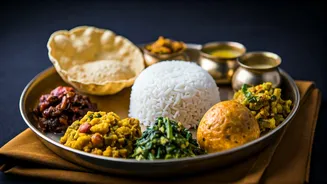
The best way to begin your culinary exploration is with a traditional Assamese thali. Unlike the spice-heavy thalis of other regions, this platter is a masterclass in subtlety and balance. Served on traditional bell metal utensils, a typical thali centres
around rice, accompanied by a host of dishes that represent the core of Assamese cooking. You will find a 'Khar,' a unique alkaline dish, a 'Tenga,' which is a sour curry, seasonal leafy greens called 'Xaak,' and a comforting mash known as 'Pitika.' It’s a complete meal that introduces the palate to the distinct, minimally spiced yet deeply flavourful philosophy of Assamese food.
Khar: A Flavour Unique to Assam
No Assamese meal truly begins without Khar. This is a class of dishes named after the main ingredient, an alkaline liquid prepared by filtering water through the ashes of sun-dried banana peels. While it sounds unusual, the resulting dish is surprisingly mild and palate-cleansing. Khar can be prepared with raw papaya, pulses, or even fish, but the core flavour remains distinct—earthy, subtle, and unlike anything else in Indian cuisine. It is believed to have digestive properties and sets the stage for the rest of the meal, embodying the region's connection to its natural ingredients.
Masor Tenga: The Tangy River Story
If Khar is the earthy beginning, Masor Tenga is the refreshing conclusion. Translating to 'sour fish', this light, tangy curry is a staple in Assamese households. The sourness doesn't come from tamarind but from local ingredients like elephant apple (Ou Tenga), tomatoes, or the fragrant Kaji Nemu lime. The fish, often a river variety, is cooked in a broth that is both flavourful and incredibly light, making it a perfect dish for the region's climate. Enjoyed with steamed rice, Masor Tenga tells the story of Assam's deep relationship with the mighty Brahmaputra and its riverine bounty.
Pitika: The Soulful Comfort Mash
Pitika is the Assamese equivalent of comfort on a plate. It is a simple yet incredibly satisfying dish of mashed vegetables. The most popular version is Aloo Pitika, made with boiled or roasted potatoes mashed with raw mustard oil, finely chopped onions, green chillies, and fresh coriander. Other variations use roasted eggplant, pumpkin, or even fish. The magic of Pitika lies in its simplicity and the pungent aroma of mustard oil, which brings all the ingredients together. It’s a humble side dish that often steals the show.
Pitha: A Bite of Festive Tradition
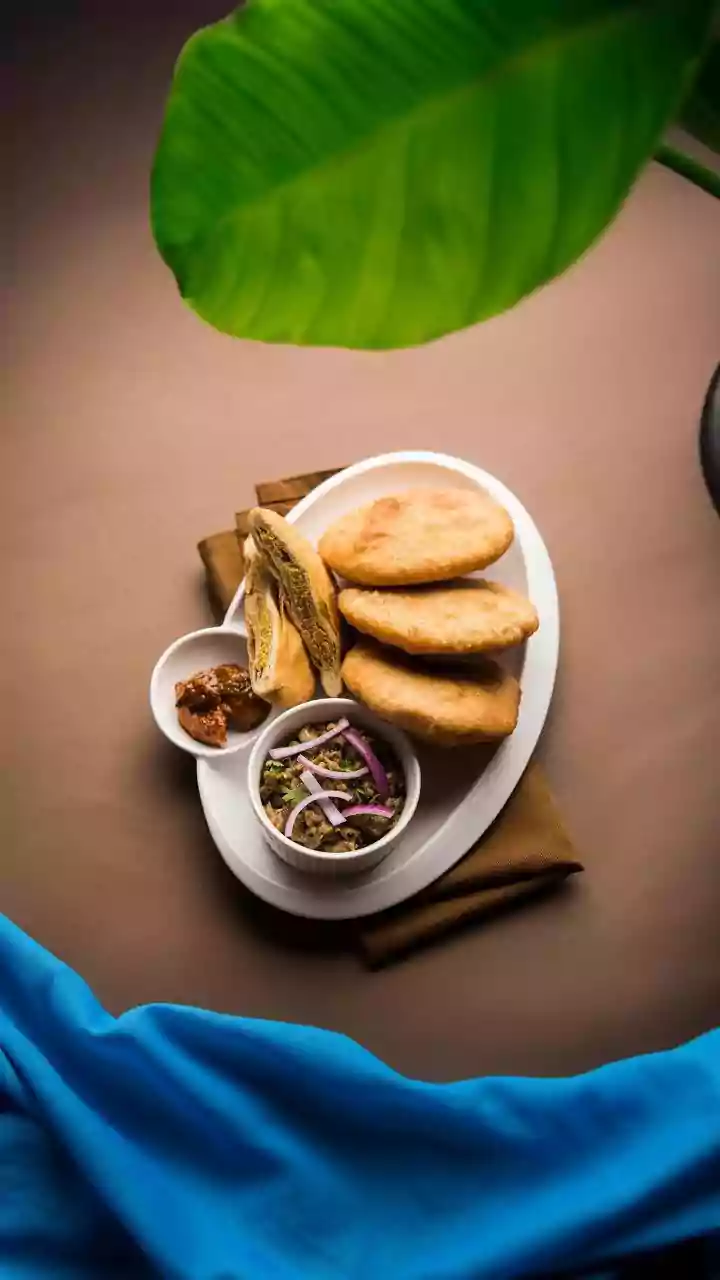
No journey through Assamese cuisine is complete without sampling Pitha, especially if you are visiting during a festival like Bihu. Pithas are traditional rice cakes that come in numerous forms—steamed, fried, or roasted. They can be sweet or savoury. Til Pitha, a thin rice-flour roll filled with roasted black sesame seeds and jaggery, is a beloved classic. Another favourite is the Narikol Pitha, a sweet dumpling filled with grated coconut. These delicacies are not just snacks; they are an integral part of Assamese hospitality and festive celebrations.
Beyond the Plate: Unique Local Ingredients
What truly makes Assamese food special is its use of unique local produce. The cuisine features a wide variety of herbs and greens (Xaak) that are often foraged locally. Duck meat curry, often cooked with ash gourd (Kumurat diya Hanhor Mangxo), is a delicacy reserved for special occasions. The infamous Bhut Jolokia, one of the world's hottest chillies, finds its place in pickles and chutneys, while aromatic Joha rice elevates simple meals. Exploring these ingredients provides a deeper understanding of the region's rich biodiversity and culinary ingenuity.