






Start at the Top: Inspect Your Roof
Your roof is the first line of defence against a downpour, so a pre-monsoon inspection is critical. Look for any loose, cracked, or missing tiles or shingles that could allow water to seep in. It's also important to check the areas around vents, skylights,
and chimneys, as the seals in these spots can degrade over time. If you notice any potential issues, it is wise to get them repaired promptly. Addressing small roof repairs before the rains is far cheaper and easier than dealing with a major leak in the middle of a storm.
Clear Gutters and Drains
Blocked gutters and drains are a primary cause of water damage during heavy rainfall. When leaves, twigs, and other debris clog these channels, rainwater can't flow away from your house. Instead, it overflows and pools around your foundation or seeps under your roof. At least twice a year, and especially before the rainy season, clear out all gutters and downspouts. After cleaning, you can flush them with a garden hose to ensure water flows freely and away from your home's foundation. Experts recommend that downspouts should discharge water at least six to ten feet away from the structure to prevent leakage.
Check Walls and Foundation for Cracks
Even small cracks in your exterior walls or foundation can become major entry points for water. Before the monsoon, take a walk around your property and carefully inspect surfaces for any fissures or gaps. Pay close attention to corners and areas where pipes or wires enter the home. Sealing these cracks with appropriate waterproof sealants or fillers is a simple but effective way to prevent seepage. This preventative measure not only stops water but also helps prevent the growth of mould and mildew caused by dampness.
Seal Doors and Windows
Wind-driven rain can push water through the smallest gaps around windows and doors. Check for worn-out weatherstripping or cracked caulking. Applying new sealant or replacing old weatherstripping is an easy DIY task that can significantly improve your home's defence against water intrusion. If you feel drafts or see daylight around the frames, it's a clear sign that a seal has failed and needs attention. For older windows, this step is especially crucial to maintaining a watertight home.
Prioritise Electrical Safety
Water and electricity are a dangerous combination. Before the rains begin, it is crucial to have a qualified electrician inspect your home's wiring, especially any outdoor or exposed cables. Ensure that outdoor electrical fittings are covered and any frayed wires are replaced. It's also a good idea to know the location of your home’s main circuit breaker. During a severe thunderstorm with lightning, unplugging non-essential electronics like televisions and computers can protect them from power surges. Never touch switches or electrical appliances with wet hands.
Manage Your Yard and Garden
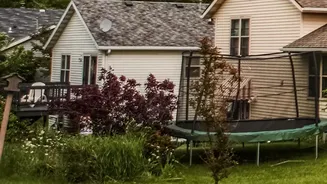
Your garden and yard can also pose a risk during heavy storms. Trim any large tree branches that are hanging over your roof or near power lines, as strong winds can snap them, causing significant damage. If you have outdoor furniture, secure it or move it indoors to prevent it from becoming a projectile in high winds. Also, ensure the ground around your home slopes away from the foundation. If you notice water pooling near the house, you may need to regrade the soil to guide water away naturally.