





The September Oil Production Decision
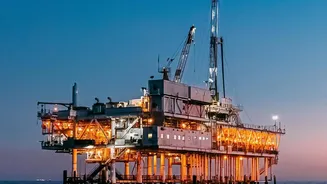
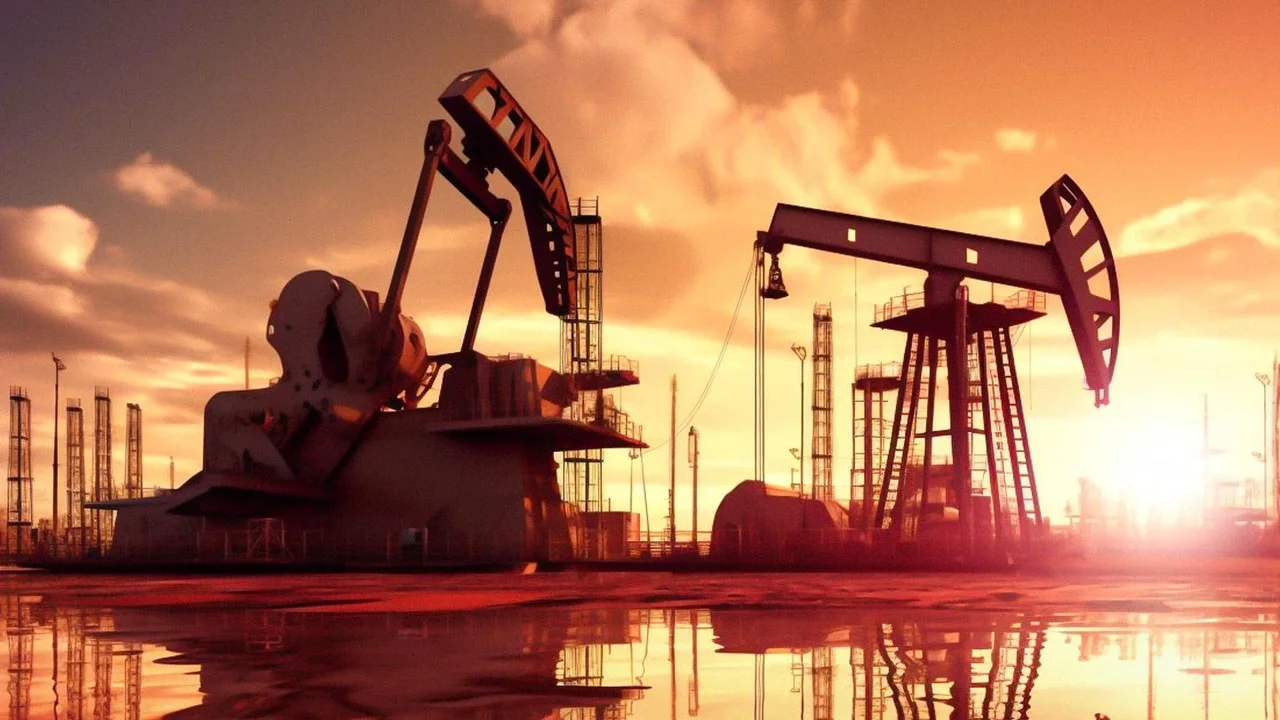
In early August, a coalition of major oil-producing countries, including OPEC members and allies like Russia (known as OPEC+), agreed to a modest increase in their collective oil production targets starting in September 2026. Seven member countries will
raise output by a combined 188,000 barrels per day. This decision completes the gradual rollback of voluntary production cuts made in 2023. However, the group also signalled a pause on any further increases for the remainder of the year to assess market stability, especially amid geopolitical tensions in the Middle East that have disrupted supply. This decision to slightly increase supply, while also holding back on future hikes, creates a complex and uncertain environment for global oil prices.
Why This Matters for India's Wallet
India's economy is uniquely sensitive to fluctuations in the price of crude oil. The nation's dependence on imported crude oil has climbed to a record high of nearly 89%, with some estimates placing it closer to 90%. This is due to rising domestic consumption of petroleum products coupled with declining domestic production from ageing oilfields. When global oil prices rise, India's import bill swells dramatically. Since oil is traded in U.S. dollars, the country must spend more of its foreign currency reserves to purchase the same amount of fuel, creating a direct link between the oil market and India's economic health.
The Dollar-Rupee Dance Explained
The relationship between oil prices and the rupee is a classic case of supply and demand. To pay its massive oil import bill, India needs a large and steady supply of U.S. dollars. When the price of oil goes up, the demand for dollars from Indian importers also increases. This heightened demand makes the dollar more expensive relative to the rupee, causing the rupee to depreciate, or weaken. A weaker rupee means it takes more rupees to buy one dollar. This dynamic puts significant pressure on the Indian currency, a vulnerability that has been observed repeatedly when oil prices have surged due to global events.
Ripple Effects Across the Economy
A weaker rupee doesn't just affect importers; it has wide-ranging consequences for the entire economy. Firstly, it fuels inflation. Since India imports not just oil but many other essential goods, a depreciating currency makes all of them more expensive for businesses and consumers. This can lead to higher prices at the petrol pump, increased manufacturing costs, and a general rise in the cost of living. Secondly, it complicates monetary policy for the Reserve Bank of India (RBI). To combat inflation and prevent the rupee from falling too far, the RBI might be forced to raise interest rates, which can slow down economic growth. Thirdly, it can deter foreign investors, whose returns diminish when the rupee's value falls.
How India Can Manage the Risk
Indian policymakers are not powerless in the face of these external shocks. The RBI often intervenes in the foreign exchange market, selling dollars from its reserves to support the rupee and prevent excessive volatility, as was seen in July 2026 when the currency was under pressure. India's substantial foreign exchange reserves, reported at over $682 billion in late July, act as a crucial buffer, providing the capacity to cover months of imports and manage currency fluctuations. In the long term, the government is also focused on reducing import dependency by promoting domestic exploration and investing in alternative energy sources, though these are gradual processes.