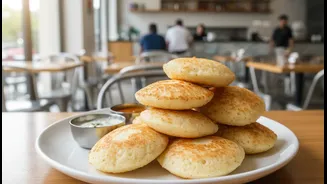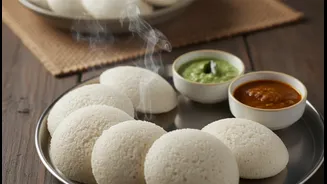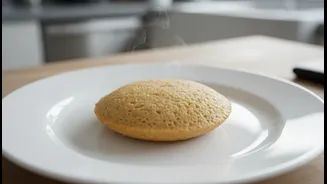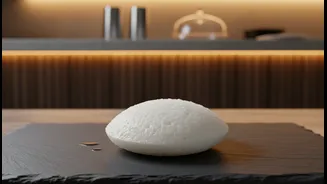



The Unquestionable Reign of Idli
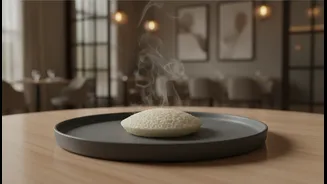
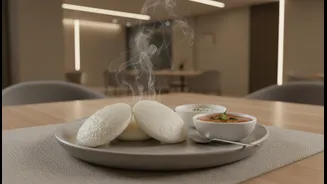
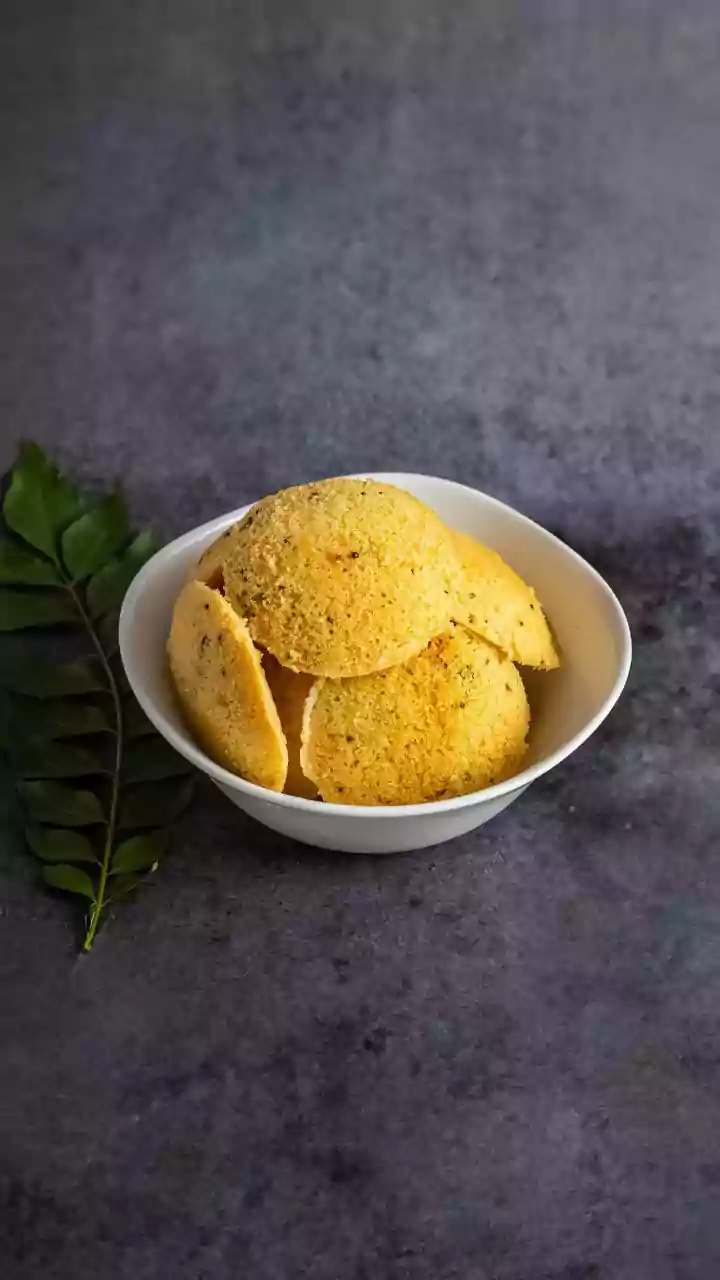
Let's start with the facts: the idli is a superstar. It is a steamed, fermented cake made from rice and lentils, making it a powerhouse of nutrition. It’s low in calories, gluten-free, and thanks to fermentation, packed with probiotics that aid digestion
and boost immunity. This makes it one of the healthiest and safest options available, whether you're a hospital patient, a travelling professional, or a family looking for a wholesome meal. From street corners in Chennai to high-end restaurants in Delhi and even cafes in San Francisco, the idli has transcended its South Indian origins to become a global phenomenon. It’s a culinary icon that embodies simplicity, health, and comfort in every fluffy bite.
Stuck in the Past
Despite its rock-star status, the way we experience idli commercially has barely evolved. The primary purveyors are the local Udupi-style restaurants and darshinis. These establishments are legendary, built on a model of high volume and low cost, serving office workers and students with incredible efficiency. We love them for their speed and affordability. However, their formats are often dated, with a focus on function over experience. The emphasis is on quick turnover, not on creating a modern dining space. While charming, this model limits the idli's potential, keeping it firmly in the 'cheap and cheerful' category, unable to command the premium that its nutritional and cultural value deserves.
The Fast-Casual Revolution Left Idli Behind
Meanwhile, the rest of the food world has moved on. The Quick Service Restaurant (QSR) and fast-casual market in India is booming, projected to be worth billions. Consumers, especially younger ones, are driving this growth, seeking convenience, quality, and an experience. We’ve seen brands brilliantly repackage everything from burgers and pizzas to wraps and even momos for the modern Indian palate. These formats offer customisation, tech-enabled ordering, and a clear brand story — all things missing from the traditional idli joint. By failing to innovate, we're missing the opportunity to position idli as the ultimate healthy, convenient, and modern Indian meal.
Reimagining the Idli Experience
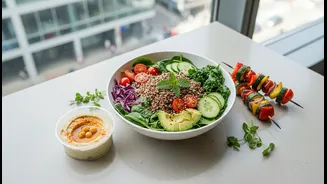
So, what would a modern idli experience look like? The possibilities are endless. Imagine a 'fast-casual' idli bar, inspired by chains like Chipotle, where you build your own meal. You could choose your idli (rava, ragi, oats), select from a range of freshly ground podis and innovative chutneys (avocado-coriander, roasted bell pepper), and add healthy toppings. Or consider a health-focused QSR that brands idli as the ultimate performance food, complete with calorie counts and nutritional breakdowns, appealing to fitness-conscious consumers. There's even room for a gourmet idli bistro, offering creative dishes like idli sliders, stuffed mini-idlis, or idli-based chaat, transforming the humble cake into a premium dining event.
The Road Ahead Is Not Without Bumps
Innovating around a traditional food is not simple. Key challenges include maintaining the freshness of the batter, which is crucial for quality. The perception of idli as a low-margin item can also deter investment. Furthermore, competing with the ultra-low price points of established local vendors is a significant hurdle. Scaling any food business in India is notoriously difficult, with challenges ranging from supply chain logistics to navigating complex regulations. Success will require a smart business model that respects the idli's core identity while elevating its presentation and experience.