





Why Your Diet Needs a Monsoon Makeover
During the monsoon, the damp and humid conditions create a thriving environment for bacteria and viruses. This increases the risk of infections like colds, flu, and stomach bugs. Furthermore, our metabolism and digestive power, or 'agni' as per Ayurveda,
tend to weaken. This makes it harder for our bodies to break down heavy, oily, or raw foods. Eating light, well-cooked, and easily digestible meals becomes crucial. Shifting your focus to specific seasonal vegetables helps support your immune system, aids digestion, and provides essential nutrients to keep you energetic and healthy throughout the season.
Embrace the Gourd Family
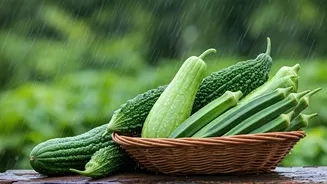
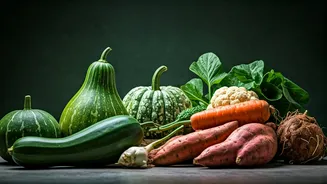
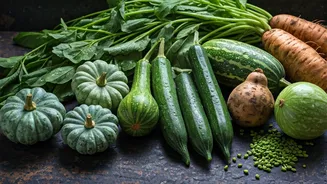
Gourds are the superstars of the monsoon diet. Vegetables like bottle gourd (lauki), ridge gourd (turai), bitter gourd (karela), and snake gourd (chichinda) are excellent choices. They are light on the stomach, have high water content to keep you hydrated, and are rich in fibre, which aids digestion and prevents constipation. Lauki is known for its cooling properties, while karela, despite its bitterness, is a fantastic blood purifier and helps manage blood sugar levels. Incorporate them into simple curries, soups, or stir-fries for a nourishing and easy-to-digest meal.
Go for Grounding Root Vegetables
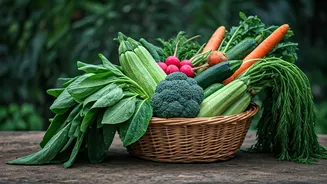
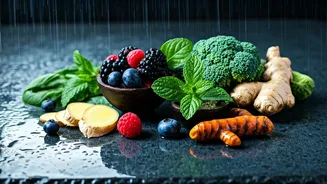
Root vegetables that grow underground are generally considered safe and highly nutritious during the monsoon. They are less exposed to contamination from rainwater and pests. Sweet potatoes, yams (suran), and carrots are packed with vitamins, minerals, and complex carbohydrates that provide sustained energy. Another powerful root to include is turmeric (haldi). Fresh turmeric, with its potent anti-inflammatory and antiseptic properties, is a phenomenal immunity booster. Grate it into curries, add it to milk, or make a simple pickle to reap its benefits and help your body fight off seasonal infections.
The Leafy Green Dilemma
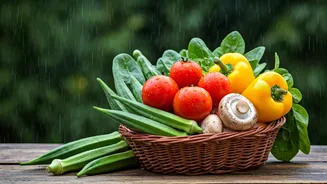
You may have heard advice to avoid leafy green vegetables like spinach (palak) and fenugreek (methi) during the monsoon. There is some logic to this caution. The damp soil and moisture on the leaves make them prone to accumulating dirt, grime, and microbes. However, you don't have to eliminate them completely. The key is preparation. If you choose to eat leafy greens, ensure they are sourced from a reliable vendor. Wash them meticulously, perhaps by blanching them in hot salt water for a minute before cooking. Never consume them raw in salads or juices. Thorough cooking is essential to kill any potential pathogens.
Smart Cooking and Preparation Tips
How you prepare your vegetables is just as important as which ones you choose. Avoid eating raw salads, as the vegetables can carry germs that a simple wash might not remove. Always opt for steamed, boiled, or well-cooked dishes. Soaking your vegetables in a bowl of water with a pinch of salt or a splash of vinegar for 10-15 minutes can help dislodge dirt and microbes. Cooking with immunity-boosting spices like ginger, garlic, black pepper, and asafoetida (hing) not only adds flavour but also aids digestion and helps protect against infections. Keep your meals light and avoid heavy, cream-based gravies that can tax your digestive system.