








The River's Ancient Call
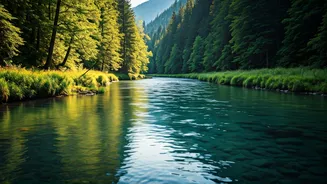
For centuries, India’s great rivers—the Ganga, the Yamuna, the Narmada—have been more than just geographical features. They are lifelines, goddesses, and destinations for pilgrims seeking spiritual merit and inner peace. An epic journey along one of these
waterways is not a new idea; it’s an ancient practice being rediscovered by a new generation. But today’s pilgrim is often seeking something more than salvation. They are searching for connection in a disconnected world, for a quiet space away from the endless noise of modern life. This journey begins not with a packed bag, but with an intention: to listen to what the river has to say.
Mindfulness in Motion
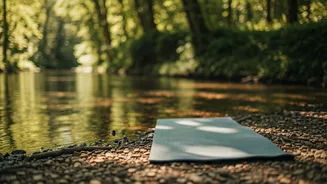
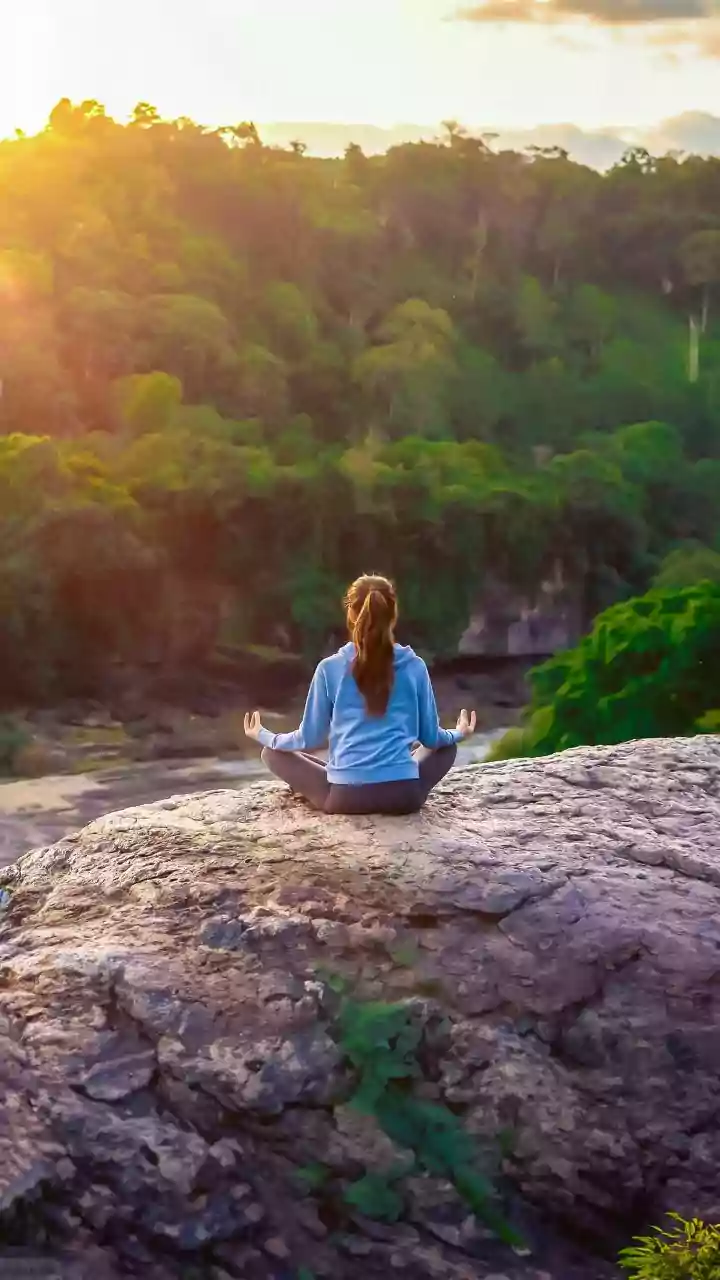
Daily spiritual mindfulness on a river is a practice of profound simplicity. It’s not about sitting in a specific posture or chanting a mantra, though it can include that. It’s about cultivating a state of active presence. It’s noticing the way the morning sun glints off the water’s surface, the darting flight of a kingfisher, the scent of wet earth from the banks. It’s feeling the gentle rock of the boat as a reminder to stay balanced, both physically and mentally. Each day is governed by the river's pace, not a digital calendar. This slowing down forces the mind to stop racing and start observing. In this state of heightened awareness, every moment becomes an opportunity for reflection.
A Mirror to Our World
A truly mindful observer cannot ignore the difficult truths the river reveals. Alongside moments of breathtaking beauty, there are scenes of stark reality. A plastic bottle caught in the reeds. An island of foam floating downstream from an industrial town. A stretch where the water runs shallow and sluggish, a shadow of its former self. This is where mindfulness connects directly with water ecology. The spiritual reverence for the river as a life-giving mother clashes with the evidence of its degradation. To be present with the river is to be present with its pain. This ecological awakening is not a separate, intellectual exercise; it is a visceral, emotional response born from the deep connection forged through mindfulness.
Where Spirit and Science Converge
The journey reveals a powerful convergence. Ancient wisdom revered the river as a living entity, a goddess that must be respected and kept pure. Modern ecology, through the lens of science, reaches a similar conclusion: a river is a complex, living ecosystem, and its health is directly tied to our own. The toxins we dump into it eventually find their way into our food and bodies. The dams that disrupt its flow impact everything from fish populations to the fertility of downstream plains. The spiritual practitioner and the environmental scientist may use different language, but their core message is the same: the river system is sacred, whether as a deity or as a vital ecological asset, and its desecration is a form of self-harm.
Bringing the River's Lessons Home
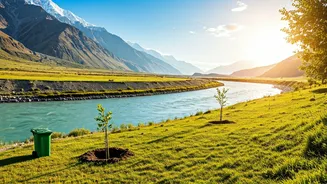
An epic river journey is finite, but its lessons are not. The experience fundamentally changes one’s relationship with water. It is no longer an infinite resource that appears magically from a tap; it is a precious, living force that connects all life. The mindfulness practiced on the water—presence, observation, and compassionate awareness—can be carried into daily life. It transforms a simple act like washing hands into a moment of gratitude. It encourages us to question our consumption, to seek out ways to reduce our impact, and to advocate for the health of our local water bodies. The journey makes it clear that protecting our environment is not just a political or social issue; it is a deeply personal and spiritual responsibility.