


From 'Processed' to 'Ultra-Processed'
For years, the advice has been to avoid 'processed foods'. But what does that even mean? Technically, any food altered from its natural state is processed. Chopping vegetables, pasteurising milk, canning beans, or freezing peas are all forms of processing.
These methods are often harmless and can even make food safer and more accessible. The problem, according to a growing body of evidence, isn't processing itself. The real concern lies with a specific category: ultra-processed foods (UPFs). This distinction is key to having a smarter conversation about what we eat.
Understanding the Four Tiers of Food
To help clarify this, researchers developed the NOVA classification system, which groups foods into four categories based on their level of processing. Group 1 is unprocessed or minimally processed foods, like fresh fruits, vegetables, eggs, and meat. Group 2 is processed culinary ingredients, such as oils, salt, and sugar. Group 3 is processed foods, which are combinations of the first two groups—think of canned fish, freshly baked bread, or cheese. The final category, Group 4, is ultra-processed foods. These are industrial formulations made with substances you wouldn't typically use in a home kitchen.
What Makes a Food 'Ultra-Processed'?
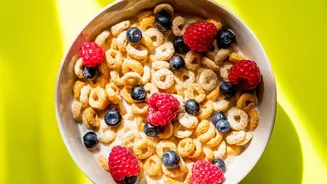
Ultra-processed foods are industrial products made mostly from refined ingredients and additives. Think of packaged snacks, sodas, frozen pizzas, sugary cereals, and instant noodles. They are designed for convenience, a long shelf life, and to be intensely palatable. A key indicator of a UPF is a long ingredient list filled with chemical-sounding names, such as emulsifiers, colourings, flavour enhancers, and stabilisers. These aren't just foods that have been altered; they are formulations created to be cheap and hyper-appealing. This trend is growing rapidly in India, where sales of UPFs have surged, replacing traditional, homemade meals.
The New Evidence: Clear Health Risks
The 'new evidence' pointed to in health headlines is a wave of large-scale studies linking high consumption of UPFs to a host of health issues. Recent meta-analyses covering millions of people have found convincing links between high UPF intake and an increased risk of obesity, type 2 diabetes, heart disease, depression, and even premature death. One major study found that people with the highest intake of UPFs had a 47% higher risk of heart attack or stroke. Researchers believe these health problems stem not just from the high levels of sugar, salt, and unhealthy fats, but also from the industrial processing itself, which can disrupt the gut microbiome and promote inflammation.
Making Smarter Choices in the Indian Kitchen
Moving towards a healthier diet isn't about achieving perfection or eliminating all processed items. It's about reducing your reliance on ultra-processed ones. Start by cooking more meals at home, which gives you control over the ingredients. When you shop, focus on whole foods like fresh vegetables, legumes, grains, and lean proteins. Make it a habit to read ingredient labels; if the list is long and full of words you don't recognise, it's likely a UPF. Swap out packaged snacks like chips and biscuits for healthier options like fruit, nuts, roasted chana, or homemade snacks. Even small, consistent changes can make a significant difference to your long-term health without adding unnecessary stress to your life.