


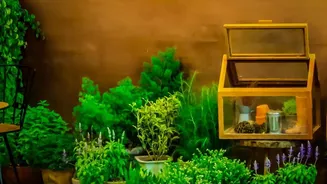
Why the Rainy Season Changes Everything
The core challenge for indoor plants during the monsoon is a combination of high humidity and low light. With moisture-laden air, water evaporates from the soil much more slowly. This means that roots, which need oxygen to survive, can become waterlogged
and suffocate. Simultaneously, persistent grey skies reduce the amount of sunlight available for photosynthesis, the process plants use to create energy. This slowdown in growth means they require fewer resources, including water and nutrients, making them highly susceptible to problems if their care isn't adjusted.
Rethink Your Watering Schedule
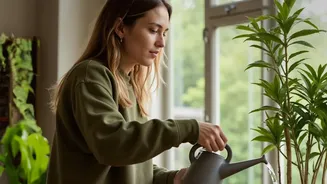
Overwatering is the single biggest threat to indoor plants during this season, often leading to root rot. Forget your summer schedule; the only reliable way to know if your plant needs a drink is to check the soil. The classic 'finger test' is your best friend: insert your finger about an inch into the soil. If it feels damp, wait another day or two before checking again. If it's dry, then it's time to water. Ensure every pot has drainage holes, and empty any saucer or decorative outer pot that collects excess water. Allowing a plant to sit in standing water is a direct invitation for root rot.
Maximise Light and Air Circulation
With less sunlight available, you may need to relocate your plants. Move them closer to windows to catch as much indirect light as possible, and remember to clean the window panes to let maximum light through. Rotating your pots every few days will ensure all sides of the plant get some exposure, preventing lopsided or leggy growth. Equally important is air circulation. Stagnant, humid air creates a perfect breeding ground for fungal diseases like powdery mildew. Opening a window for a few hours or running a fan in the room can make a huge difference in preventing these issues.
Keep an Eye Out for Pests
The damp conditions of the monsoon are a party invitation for several common houseplant pests. Fungus gnats, tiny black flies that hover around your pots, thrive in consistently moist topsoil; their larvae feed on plant roots. Allowing the top layer of soil to dry out between waterings is the best way to deter them. Mealybugs and aphids also become more active during this time. Regularly inspect your plants, paying close attention to the undersides of leaves and the points where leaves join the stem. Wiping pests off with a cotton swab dipped in rubbing alcohol can be an effective first step.
Adjust Your Fertiliser Routine
Since plant growth slows down due to reduced sunlight, their need for fertiliser also decreases. Continuing a heavy feeding schedule can lead to a buildup of fertilizer salts in the soil, which can burn the roots. For most indoor plants, it's best to reduce fertilizing to about once every four to six weeks during the rainy season. When you do feed them, consider using a diluted balanced liquid fertiliser or a gentle organic option like vermicompost, which releases nutrients slowly and is less likely to overwhelm the plant.
A Good Time for New Growth
While the monsoon presents challenges, its high humidity offers a unique advantage: it's the perfect time for propagation. The moisture in the air helps cuttings develop roots without drying out, which is often the biggest hurdle in propagation. If you've been thinking about taking cuttings from your pothos, philodendron, or spider plants, now is an excellent time to do it. The humid environment provides a natural 'propagation box' effect, increasing your chances of success and helping you multiply your collection of green friends.