







The Siren Song of Instant Gratification
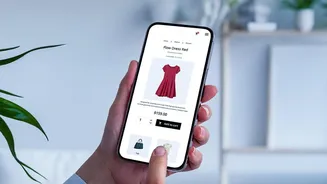
At almost every digital checkout, the option is there: split your payment into three or four easy, interest-free instalments. For young consumers, particularly Gen Z, this is incredibly appealing. BNPL services have exploded in popularity because they
remove the immediate financial sting of a purchase. This appeals directly to the desire for instant gratification. Unlike traditional credit cards, the approval process is nearly instantaneous, with minimal documentation required. This ease of access has made BNPL a gateway financial product for many young people, often their first formal experience with credit. The psychological trick is simple but effective: breaking a larger cost into smaller, manageable-looking chunks makes it feel more affordable, encouraging impulse buys that might not happen otherwise.
The Truth About 'Hidden' Fees
While many BNPL plans are advertised as 'interest-free', the business model often relies on other charges. The most significant are late fees. If a user misses a payment deadline, even by a day, they can be hit with steep penalties. These fees can range from a flat amount to a percentage of the outstanding balance, quickly inflating a small debt. Some platforms may also charge processing or convenience fees for every transaction. In India, regulations now mandate that BNPL providers must be transparent about all costs through a Key Fact Statement. However, users who don't carefully read the terms can still be caught off guard by these additional costs, which can turn a supposedly free loan into an expensive one.
The Peril of Debt Stacking
One of the biggest risks with BNPL is how easy it is to accumulate debt across multiple platforms. Because each loan is small and providers often haven't historically reported to all credit bureaus, a user can take out several BNPL loans simultaneously without any single lender having a full picture of their total debt load. A user might have small, manageable payments with three or four different services, but when these payments all become due around the same time, the total amount can be overwhelming. Studies have shown that BNPL users are more likely to carry higher balances on other forms of debt, like credit cards and personal loans, creating a precarious financial situation. This 'debt stacking' is a primary driver of defaults, as shoppers lose track of their obligations and their total monthly outflow exceeds their income.
A System Designed for Impulse
The entire BNPL ecosystem is engineered to reduce the cognitive barriers to spending. The seamless integration into checkout, the promise of delayed payment, and the minimal friction of signing up all encourage users to act on impulse. For young or new-to-credit consumers, the distinction between a simple payment method and a formal loan can be blurry. Many perceive it as 'free money' without fully grasping the long-term consequences of missed payments. In India, the Reserve Bank of India (RBI) has implemented stricter rules, requiring BNPL services to be offered through regulated banks or NBFCs and ensuring that these loans are increasingly reported to credit bureaus like CIBIL. This means that, unlike in the past, a missed BNPL payment can now directly harm a user's credit score, affecting their ability to get loans for major life purchases in the future.