



The Winter Sun Strategy
Both mint and coriander love sunlight, but winter sun in India can be weak and fleeting. Most herbs need at least four to six hours of light to produce the essential oils that give them their flavour. To maximize what's available, place your pots in the sunniest
spot you have, typically a south or west-facing windowsill. Keep the leaves clean from dust, as this allows them to absorb as much light as possible. If you notice your plants becoming 'leggy'—with long, thin stems and sparse leaves—it's a clear sign they are stretching for more light. Rotate the pots every few days so all sides get an even dose of sunlight.
Watering: The Golden Rule
Overwatering is the number one killer of potted herbs in winter. The cooler temperatures and higher humidity mean that soil dries out much more slowly. Before you water, always check the soil. The best method is the finger test: insert your finger one to two inches into the soil. If it feels dry, it's time to water. If it's still damp, wait another day or two. When you do water, do it in the morning. This gives the plant the entire day to absorb moisture and allows excess water on the soil surface to evaporate, reducing the risk of fungal diseases and root rot which thrive in cold, damp conditions overnight.
Soil, Drainage, and Nutrition
Good drainage is non-negotiable, especially in winter. Ensure your pots have holes at the bottom to let excess water escape. Using a well-draining potting mix is essential. Heavy garden soil can become waterlogged easily. While herbs don't need heavy feeding in winter as their growth naturally slows down, a little nutrition helps. You can refresh the top layer of soil with a small amount of vermicompost or another organic fertilizer once a month. This provides a slow release of nutrients without overwhelming the dormant plants.
Harvesting for Healthy Growth
Regularly harvesting your mint and coriander actually encourages them to grow bushier and healthier. For mint, pinch off the top leaves and stems. This promotes outward growth rather than just upward. For coriander, you can harvest the outer, larger leaves first, leaving the smaller, inner leaves to continue growing. Avoid cutting more than one-third of the plant at any one time. This ensures the plant has enough foliage to continue photosynthesizing and recover, especially when its growth is already slowed by the cold.
Coriander's Special Needs
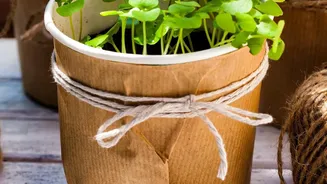
Coriander, or dhania, is a cool-season herb but can be sensitive. It dislikes its roots being disturbed and has a tendency to 'bolt' (flower prematurely) if stressed. Keep its watering consistent but minimal. Because it grows quickly and has a shorter lifespan, consider succession planting. Sow a new batch of seeds every few weeks in a separate pot to ensure you have a continuous supply throughout the winter.
Mint's Resilient Nature
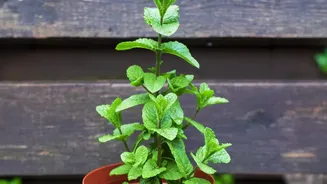
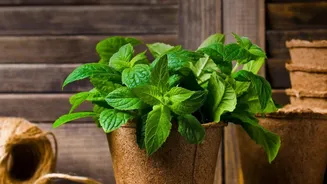
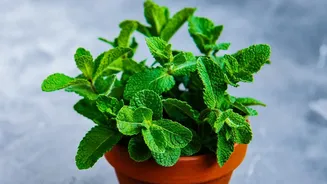
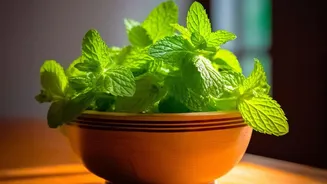
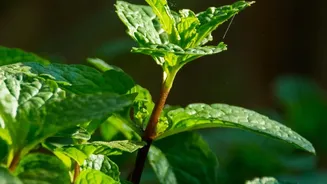
Mint (pudina) is a hardy perennial and generally more forgiving than coriander. Its main challenge in a pot is that it can become root-bound. Even in winter, it can continue to spread. Mint prefers consistently moist soil, but like coriander, it is still susceptible to root rot from overwatering in the cold. Pruning it back regularly not only provides you with fresh leaves but also helps maintain good air circulation around the plant, which is crucial for preventing pests and diseases.
Guarding Against Pests
Cooler, damp conditions and reduced air circulation indoors can create a welcoming environment for pests like aphids and mealybugs. Inspect your plants regularly, paying close attention to the undersides of leaves and where stems meet. If you spot any pests, you can often just wipe them off with a damp cloth or a cotton swab dipped in a little rubbing alcohol. Keeping the soil surface clear of dead leaves and debris removes potential hiding spots for pests.