



The Monsoon Challenge for Potted Plants
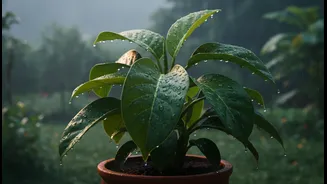
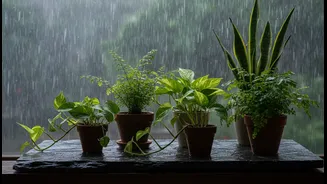
For plant parents across India, the arrival of the monsoon is a welcome sight. While our gardens drink deeply, our balcony and indoor plants face a significant threat: too much of a good thing. When pots are left sitting directly on the floor or ground
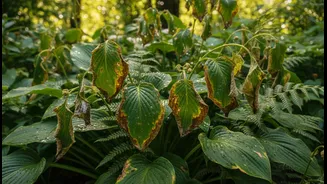
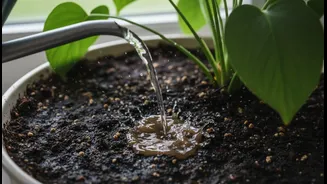
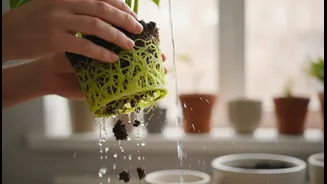
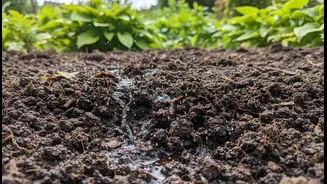
during a downpour, their drainage holes can easily become blocked or overwhelmed. Water has nowhere to go, saturating the soil and creating a low-oxygen environment that is disastrous for plant roots. This is the primary cause of root rot, a condition where roots begin to decay, turning soft and mushy. Once root rot sets in, a plant cannot absorb the nutrients and water it needs to survive, leading to yellowing leaves, wilting, and eventual collapse. The persistent humidity of the rainy season only accelerates this process, encouraging fungal growth.
The Simple Solution: Elevate Your Plants
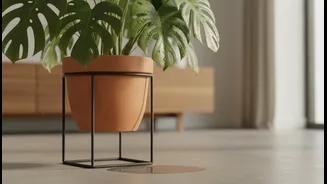
The most effective way to combat waterlogging is surprisingly simple: lift your plants off the ground. Using pot stands, also known as pot risers or feet, creates a vital air gap between the base of the pot and the surface it rests on. This small elevation ensures that drainage holes remain clear and unobstructed, allowing excess rainwater to flow away freely. It prevents the pot from sitting in a puddle of its own runoff, which is a common occurrence on flat balcony floors or patios during heavy rain. This single change dramatically reduces the risk of root rot and is a non-negotiable for container gardening, especially during the wet season.
Better Airflow for Healthier Roots
The benefits of a pot stand go beyond just drainage. Elevating a plant improves air circulation around the entire container, not just the bottom. When a pot sits directly on the floor, the lack of airflow can trap moisture and create a stagnant, humid microclimate around the base, which is an open invitation for mould and mildew. By lifting the pot, you allow air to flow underneath and around the sides, helping the soil to dry out more evenly between waterings. This increased airflow provides essential oxygen to the root zone, which is crucial for healthy root function and nutrient absorption.
Protect Your Floors and Surfaces
Potted plants can be tough on our homes. Moisture that gets trapped under a pot can leave permanent rings and stains on expensive tile, marble, or wooden floors. Porous materials like terracotta pots can 'sweat' moisture, leading to discolouration and even fungal growth on the surface beneath them. A plant stand acts as a protective barrier, keeping the wet base of the pot from ever making direct contact with your flooring. This prevents water damage, scratches, and makes cleaning under and around your plants much easier.
A Smart Defence Against Pests
Lifting your plants off the ground can also serve as a first line of defence against common garden pests. Many crawling insects, like ants, slugs, and other soil-dwelling critters, find it more difficult to access a plant that is raised. While not a foolproof solution, it creates a physical barrier that can discourage infestations. Keeping pots off the ground also separates them from soil-borne diseases and pathogens that can splash up from the ground during heavy rain, further safeguarding your plant's health.
Choosing the Right Stand
When selecting a pot stand, consider the material and your environment. For outdoor balconies exposed to heavy rain, rust-resistant metal stands with a powder-coated finish are an excellent and durable choice. Weather-treated wood can also work well. For indoor use, the options are broader, including ceramic, wood, or decorative metal stands that can complement your home decor. The most important factor is that the stand is sturdy enough to support the weight of your pot, especially when it's full of wet soil. The goal is to provide a stable, elevated platform that ensures your plant stays healthy, your floors stay clean, and your green companions thrive through the monsoon and beyond.