





The Green Mood-Booster
The most significant and scientifically supported benefit of having indoor plants is their positive impact on mental health. This connection is rooted in a concept called 'biophilia', our innate human tendency to connect with nature. Studies have shown
that interacting with and even just being around plants can reduce psychological and physiological stress. The simple act of caring for a plant can lower levels of cortisol, the body's stress hormone, while also reducing heart rate and blood pressure. This nurturing activity provides a sense of purpose and a mindful distraction from daily stressors, promoting feelings of calm and happiness. In work environments, the presence of plants has been linked to increased productivity, improved attention, and greater job satisfaction.
A Breath of Fresh Air?
The popular belief that houseplants are fantastic natural air purifiers stems largely from a landmark NASA study in 1989. This research found that in a sealed, controlled laboratory chamber, common houseplants could remove harmful volatile organic compounds (VOCs) like benzene and formaldehyde from the air. This exciting finding was quickly adopted by plant sellers and media, leading to lists of “air-purifying” plants that promised to cleanse our homes. The study itself was valid, but its application to the average home or office is where the message gets complicated.
The Science Behind the Hype
More recent and comprehensive reviews of the research have put the NASA study into perspective. The key issue is scale. The 1989 study was conducted in a small, sealed environment, which doesn't resemble a typical room with windows, doors, and natural ventilation. In a real-world setting, the air exchange rate—how quickly indoor air is replaced by outdoor air—is far more significant for cleaning the air than the work of a few plants. To make a meaningful impact on your home's air quality, research suggests you would need an almost impossible number of plants—somewhere between 10 and 1,000 plants per square metre of floor space. For an average 1,500 square foot home, that could mean over 680 plants. In reality, simply opening a window for a few minutes does orders of magnitude more to reduce indoor pollutants than a dozen potted plants ever could.
So, Should You Still Keep Plants?
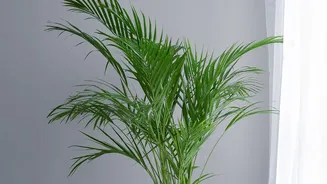
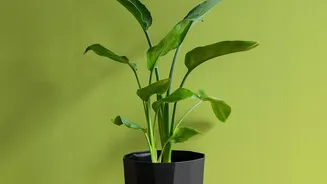
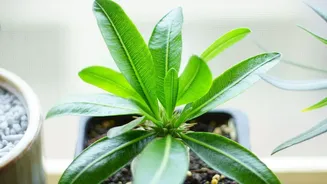
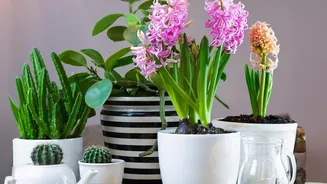
Absolutely! The consensus might be that plants aren't the air-purifying superheroes we hoped for, but that doesn't diminish their value. Instead of viewing them as functional air filters, we should appreciate them for what they truly are: living decor that boosts our mood and connects us to nature. The psychological benefits are real, well-documented, and reason enough to fill your space with greenery. They make our homes more beautiful, give us a rewarding hobby, and create a calming atmosphere. The joy of watching a new leaf unfurl or a flower bloom is a powerful antidote to a stressful day.
Choosing Your Green Companions
When picking out houseplants, focus on what you find beautiful and what suits your lifestyle, rather than a questionable 'air-purifying' list. For beginners or those with busy lives in India, low-maintenance options are a great start. Plants like the Snake Plant (Sansevieria), ZZ Plant (Zamioculcas zamiifolia), and Golden Pothos (Epipremnum aureum) are famously resilient. They tolerate a wide range of light conditions and don't mind if you forget to water them occasionally. The Spider Plant is another easy-to-care-for option that produces 'pups' you can propagate and share. Ultimately, the best plant for you is one that brings you joy and doesn't add stress to your life. Enjoy the process of creating your own indoor oasis for its aesthetic and mental health benefits.