




Start by Removing Excess Moisture
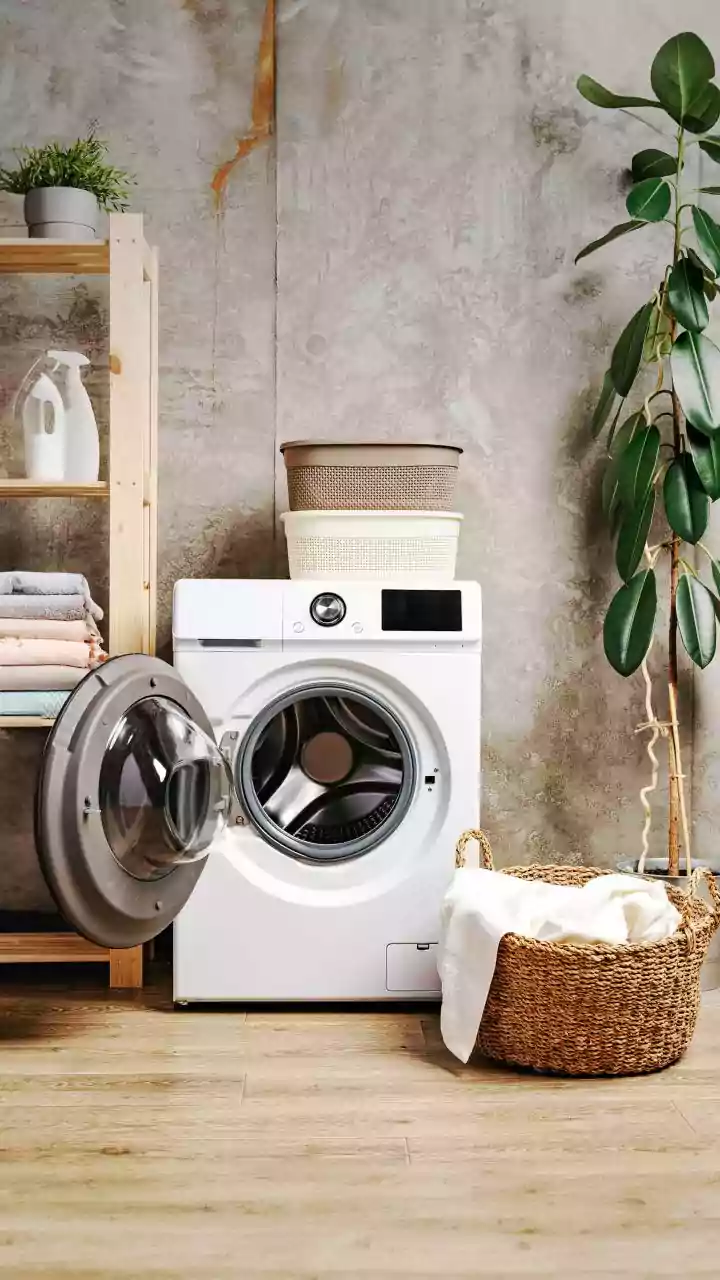
The fight against damp laundry begins before your clothes even touch the drying rack. The goal is to remove as much water as possible during the washing process. If your washing machine has a high spin speed (1000 RPM or more), use it. For sturdy fabrics
like cotton and denim, running an extra spin cycle can make a significant difference, cutting down on indoor drying time. Once the cycle is finished, don't let the wet load sit in the machine, as this is where mildew and musty smells begin to develop. Aim to hang your clothes within 30 minutes of the wash ending. For hand-washed items, wring them out thoroughly. A useful trick is to roll heavier items like towels or jeans in a dry towel and press firmly to absorb more water before hanging.
Maximise Space for Better Drying
Overcrowding is the number one enemy of indoor drying. When clothes are bunched together, moisture gets trapped, and air cannot circulate, which is a primary cause of that familiar sour smell. Whether you're using a drying rack, a clothesline on a covered balcony, or hangers, ensure there's a gap of at least a few inches between each garment. This allows air to flow freely around the entire surface of the fabric, speeding up evaporation. If you have limited space, consider washing smaller loads more frequently instead of one large batch. When using a rack, hang longer or thicker items on the ends and smaller, quicker-drying pieces in the middle to optimise the use of space and air.
The Crucial Role of Airflow
Moisture from your clothes needs somewhere to go, and that's where airflow comes in. Simply hanging clothes in a closed room with stagnant, humid air won't work. The most effective strategy is to create air movement. Place a pedestal or table fan pointed towards your drying rack to keep the air circulating. This constant movement replaces the damp air immediately surrounding the clothes with drier air from the room, dramatically accelerating the drying process. Even a ceiling fan on a medium speed can cut drying time significantly. If you have an exhaust fan in a bathroom or kitchen, you can hang a small number of items there to pull the moist air out of the room.
Upgrade Your Arsenal: Dehumidifiers and More
For those living in areas with extremely high monsoon humidity, like Mumbai or Kolkata, a dehumidifier can be a game-changer. This appliance works by actively pulling moisture from the air, creating a less humid environment that allows clothes to dry in a fraction of the time. Combining a dehumidifier with a fan is considered the gold standard for indoor drying, creating a warm, dry, and windy environment that mimics a perfect outdoor drying day. If you don't have a dehumidifier, running an air conditioner in the room can also help reduce humidity and speed up drying.
Fighting Odours and Finishing the Job
Even with the best plan, stubborn musty smells can sometimes persist. Adding half a cup of white vinegar to your rinse cycle is a fantastic, low-cost trick. Vinegar is a natural antibacterial agent that helps neutralise odours without leaving a scent of its own. Baking soda is another effective deodoriser. Once clothes feel dry, they might still retain some hidden moisture in the seams and collars. Ironing your clothes before storing them is a great final step. The heat from the iron will evaporate any remaining dampness, ensuring your clothes are completely dry and helping to keep them smelling fresh in the wardrobe.