



That 11 AM energy slump, fuelled by endless coffee and regret over a skipped or sugary breakfast, is an all-too-familiar feeling for the busy city professional. But what if the secret to sustained morning energy isn't a new fad, but an old habit?
The Mid-Morning Energy Crash
For many
urban professionals, the morning is a race against time. Breakfast often becomes a casualty, replaced by a quick cup of chai and a biscuit, or perhaps a slice of white bread with jam. While these options provide a fast burst of energy, they are typically high in simple carbohydrates and sugar. This leads to a rapid spike in blood glucose, followed by an equally rapid crash. The result is that familiar feeling of fatigue, irritability, and an inability to concentrate, often leading you to reach for another sugary snack or caffeinated drink, perpetuating a vicious cycle. A bad breakfast, high in refined carbs, may actually be worse for your day's energy levels than no breakfast at all.
The Science of Sustained Fuel
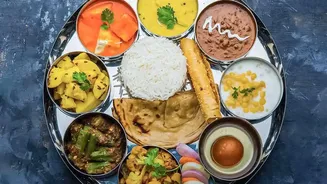
The wisdom behind traditional Indian breakfasts lies in their composition. They are built on the principle of balanced nutrition, providing a mix of complex carbohydrates, protein, and healthy fats. Unlike simple carbs, complex carbohydrates, found in whole grains and lentils, are broken down slowly by the body. This ensures a gradual and steady release of glucose into the bloodstream, providing lasting energy without the crash. This is often referred to as having a low or medium glycemic index (GI), a measure of how quickly food raises blood sugar levels. Combining these carbs with protein and fibre further slows digestion, promoting satiety and keeping you full and focused until lunchtime.
Poha and Upma: Wholesome Starts
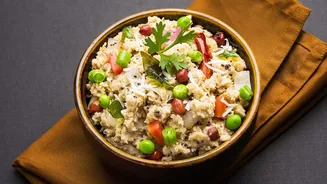
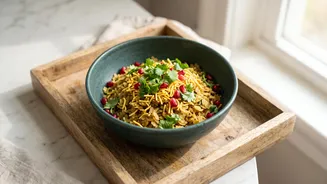
Two of the most popular breakfast choices across India, poha (flattened rice) and upma (semolina), are excellent examples of sustained energy foods. Poha is light and easily digestible, and when prepared with vegetables like peas and onions, and garnished with peanuts, it becomes a well-rounded meal. The peanuts add protein and healthy fats, while a squeeze of lemon not only adds flavour but helps with the absorption of iron from the poha. Similarly, upma, especially when made from whole wheat (dalia) or millets and packed with vegetables, provides a fibre-rich, complex carbohydrate base that keeps you energised for hours.
Idli and Dosa: The Fermented Powerhouses
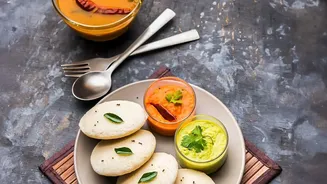
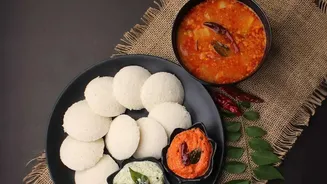
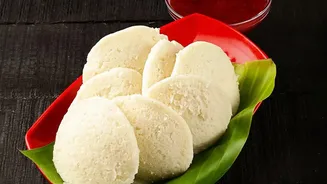
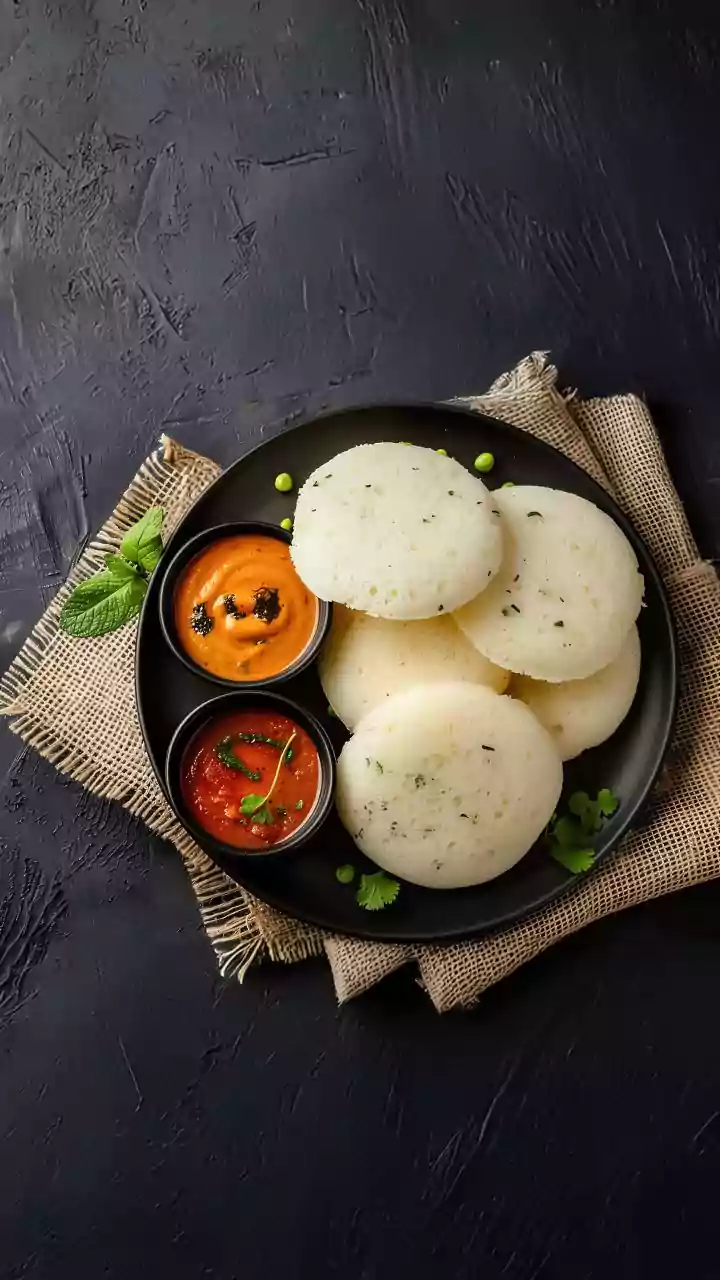
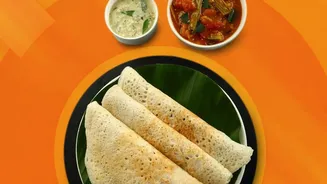
The South Indian staples of idli and dosa are more than just delicious; they are nutritional powerhouses. Made from a fermented batter of rice and urad dal (black gram), they offer a unique set of benefits. The fermentation process makes these foods rich in probiotics, which support gut health and improve digestion. This process also breaks down the proteins and carbohydrates, making them easier for the body to absorb. The combination of rice (a grain) and dal (a lentil) creates a complete protein, providing all the essential amino acids. Steamed idlis are particularly light and low in calories, while a dosa, when prepared with minimal oil, is another fantastic option. Served with sambar (a lentil-based stew) and chutney, the meal is a perfect trifecta of carbs, protein, and nutrients.
Parathas and Cheelas: Protein-Packed Options
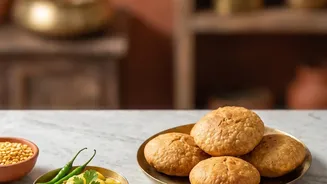
For those who prefer a heartier breakfast, options like stuffed parathas and cheelas (savoury pancakes) are excellent choices when made mindfully. A whole wheat paratha stuffed with paneer (Indian cottage cheese), dal, or vegetables provides a balanced mix of complex carbs, protein, and fibre. Served with a side of plain curd, it adds a dose of probiotics and more protein. Moong dal or besan (gram flour) cheelas are fantastic grainfree highprotein alternatives. These lentilbased pancakes are rich in protein and fibre ensuring you stay full and satisfied effectively curbing midmorning snack cravings.