


From Awkward to Aspirational
For years, dining out alone carried an unspoken stigma, especially in a country like India where meals are deeply social and communal affairs. Arriving as a party of one could invite curious stares or pitying looks. But a cultural shift is underway. Driven
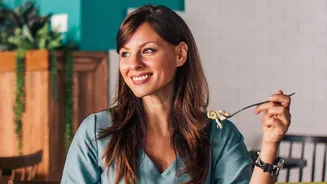
by urbanisation, changing work patterns, and a growing emphasis on personal time, eating alone is no longer seen as an absence of company but as a deliberate choice. It's about independence, flexibility, and the simple luxury of enjoying a meal exactly as you please, without compromise. This evolution in mindset has turned what was once a taboo into a trend, with solo dining becoming a statement of self-reliance and even an aspirational experience documented across social media.
Redesigning the Dining Space
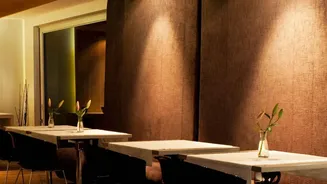
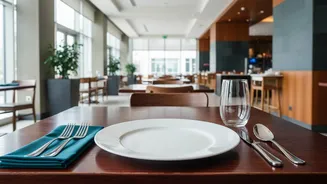
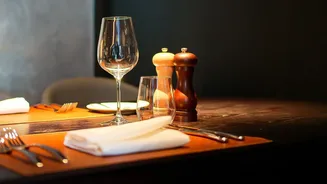
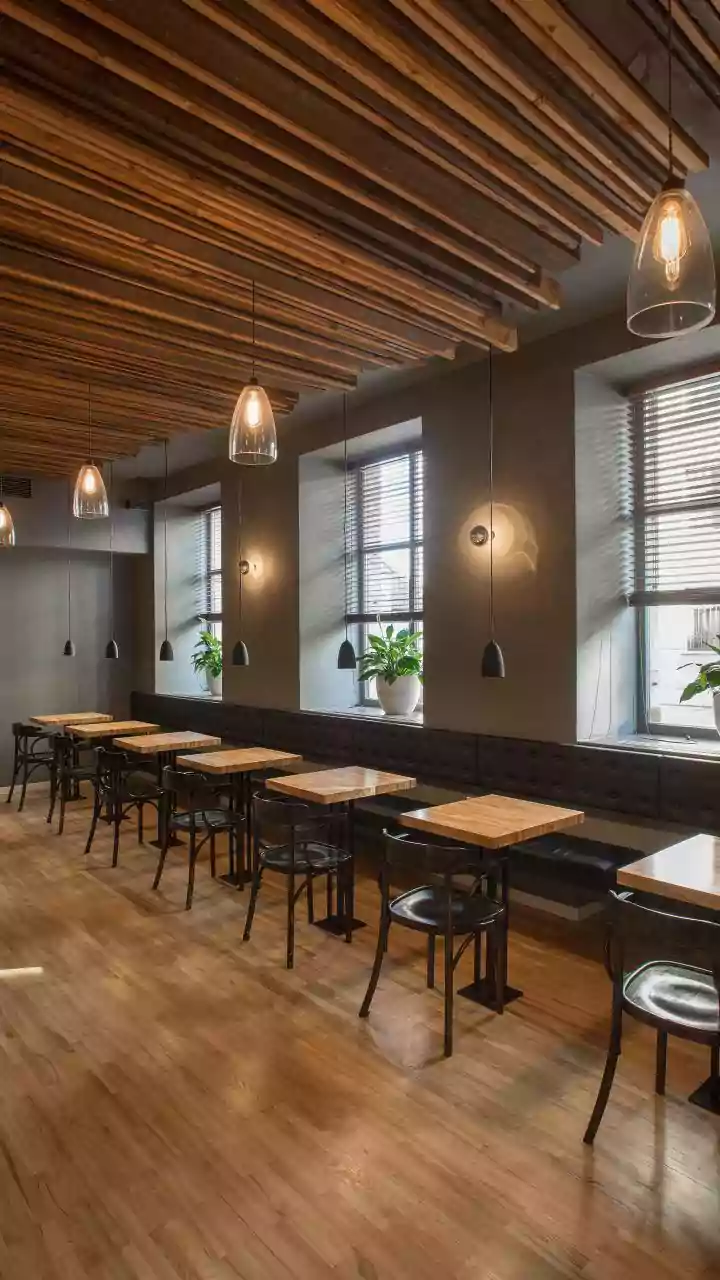
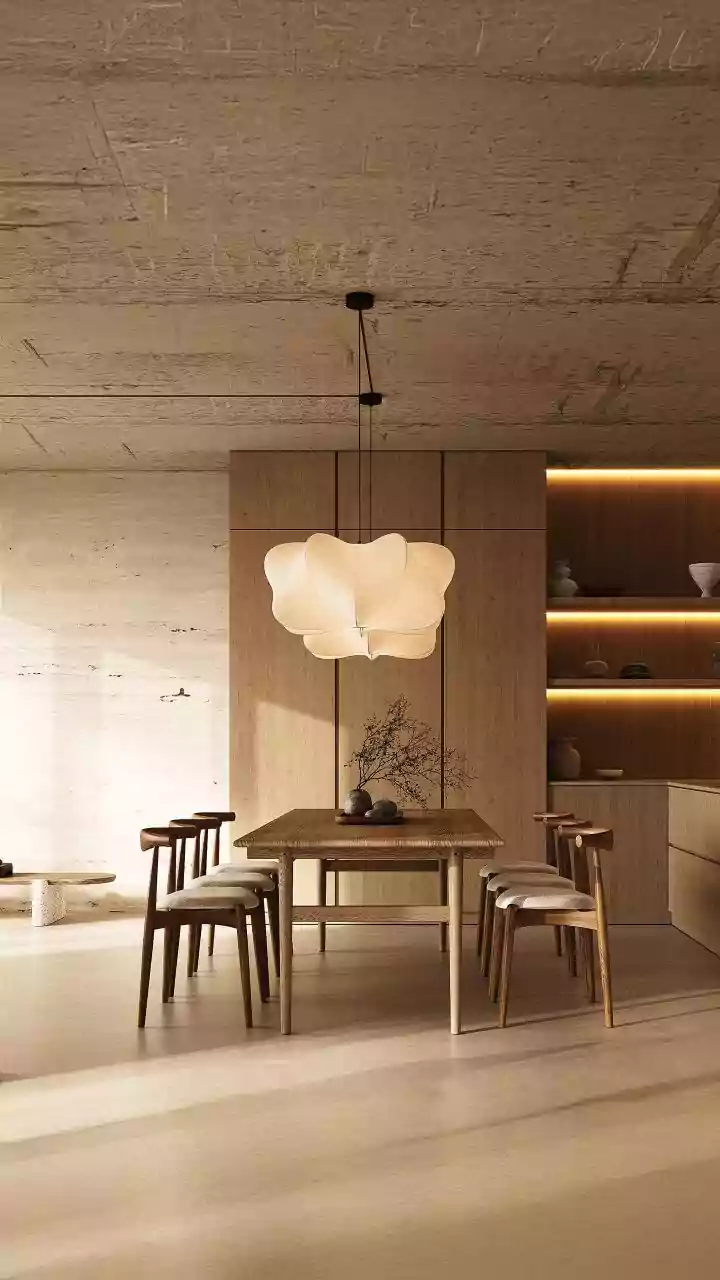
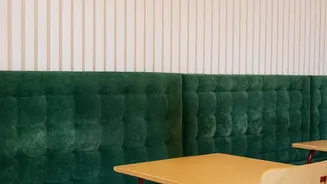
Forward-thinking restaurants are actively dismantling the discomfort of solo dining through intelligent design. The awkward, isolated single table is being replaced with more thoughtful and inclusive options. Bar and counter seating overlooking an open kitchen or a well-stocked bar are now prime real estate, offering a sense of engagement without demanding interaction. These spots provide a natural buffer, allowing a diner to feel part of the restaurant's buzz while maintaining their personal space. Another popular solution is the communal table. These large, shared tables create a casual, egalitarian atmosphere where a solo diner can comfortably sit without feeling conspicuous, offering the potential for social interaction without the pressure. Some establishments are even creating dedicated solo booths or cozy nooks designed to provide a sense of privacy and comfort.
A Menu for Me, Myself, and I
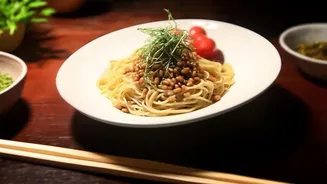
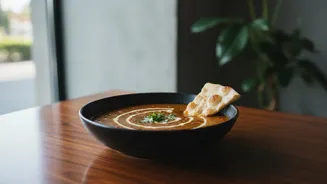
The innovation extends beyond seating to the menu itself. Restaurants recognise that solo diners, unencumbered by group decisions, are often more adventurous and focused on the food. To cater to this, chefs are developing menus that celebrate the individual. This includes offering smaller portion sizes, half-portions of popular salads and pastas, or dedicated "solo menus". Tasting menus, once the exclusive domain of couples and groups, are now being designed for one, allowing a single guest to experience the breadth of a chef's creativity. This approach not only enhances the solo experience but is also a smart business move; solo diners may order more courses and spend more per person than those in groups.
Service with a Singular Focus
The final piece of the puzzle is service. Hospitality is learning to read the cues of the solo diner. Staff are trained to be attentive without being intrusive, understanding that some guests desire quiet contemplation while others might welcome a conversation with the bartender or server. It's a delicate balance. A solo diner with a book and headphones sends a clear signal for minimal interaction, while one making eye contact might be open to recommendations or a chat. Some high-end establishments even welcome solo guests with a complimentary drink, immediately setting a tone of appreciation. The ultimate goal is to make every guest, whether alone or in a group, feel valued and to recognise that a person dining alone is there purely for the pleasure of the restaurant's food and atmosphere.