





More Than Just a Digestive Aid
For decades, fibre was typecast in a single role: preventing constipation. While it excels at promoting regularity, this view dramatically undersells its importance. A fibre-first approach to eating is about recognising this nutrient's profound impact
on nearly every aspect of our well-being, from blood sugar control and heart health to weight management and even mental clarity. There are two main types of fibre: soluble, which dissolves in water to form a gel, and insoluble, which adds bulk to stool. Soluble fibre, found in oats, beans, and apples, helps lower cholesterol and stabilise blood sugar. Insoluble fibre, present in whole grains and vegetables, aids digestion. Most plant foods contain a mix of both, which is why variety is key.
Feeding Your Inner Garden
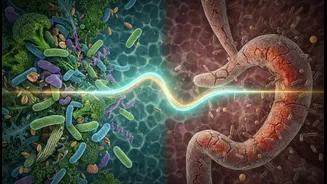
The real revolution in our understanding of fibre comes from the burgeoning science of the gut microbiome. Our digestive tracts are home to trillions of microorganisms that play a crucial role in our health. This internal ecosystem needs to be fed, and its preferred food is dietary fibre. When beneficial gut bacteria ferment fibre, they produce compounds called short-chain fatty acids (SCFAs). These SCFAs are powerhouses: they nourish the cells of our colon, strengthen the gut barrier, reduce inflammation, and help regulate our immune system. A diet low in fibre essentially starves these beneficial microbes, which can lead to an imbalance associated with a range of chronic conditions.
The Indian Fibre Gap
While traditional Indian diets are rich in fibre-friendly ingredients like dals, millets, and vegetables, modern lifestyles have created a significant 'fibre gap'. Increased consumption of refined grains (like white rice and maida) and processed foods means many urban Indians are falling short of the recommended daily intake. The Indian Council of Medical Research (ICMR) suggests about 25 to 30 grams of fibre per day, but studies show the average intake can be as low as 15 grams. This shortfall is linked to a rising incidence of lifestyle diseases such as type 2 diabetes, heart disease, and obesity.
How to Adopt a Fibre-First Mindset
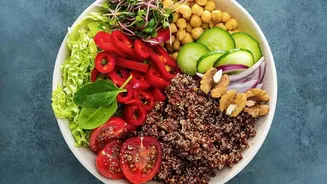
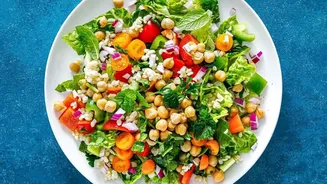
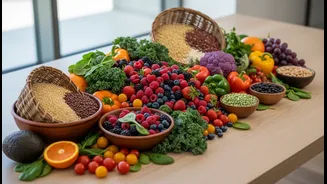
Closing the fibre gap doesn't require a radical diet overhaul or expensive superfoods. It's about making simple, consistent swaps and additions. Start by incorporating more whole grains. Replace some white rice with brown rice, or introduce millets like jowar, bajra, and ragi into your meals through rotis or porridge. Make lentils and legumes a daily habit; a bowl of dal, chana masala, or rajma can significantly boost your fibre intake. Fill half your plate with vegetables at lunch and dinner. Snack smarter by choosing a whole fruit (like a guava or an apple), a handful of roasted chana, or nuts instead of processed snacks. And remember to increase your fibre intake gradually and drink plenty of water to help your digestive system adjust.