


Start with the Cooking Method
The way you cook a vegetable is the single biggest factor in its final taste and texture. Steaming and boiling, while simple, are often the least flavourful options unless the cooking water is heavily seasoned. For deeper, more complex flavours, turn
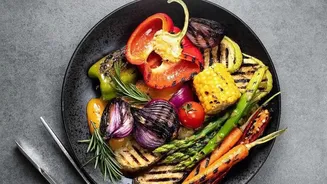
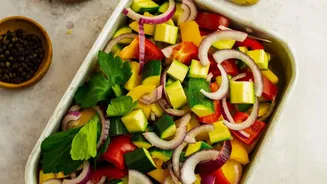
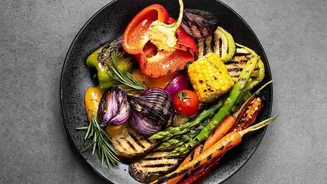
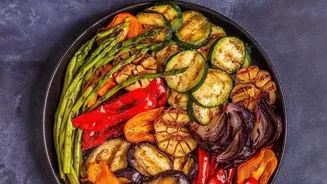
to dry, high-heat methods. Roasting and grilling are excellent choices that allow for caramelization, which brings out the natural sweetness in vegetables like carrots, squash, and broccoli. This browning effect creates a savoury depth that steaming cannot replicate. For quicker stovetop options, a sauté or stir-fry in a hot pan prevents vegetables from steaming in their own moisture, keeping them crisp. A key tip for roasting and sautéing is not to overcrowd the pan; giving vegetables space allows them to brown rather than steam.
Build Flavour with Seasonings
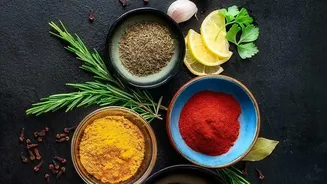
Salt and pepper are essential, but they are a starting point, not the final word. The most common mistake is seasoning only at the end. For roasted vegetables, tossing them with oil and salt before they enter the oven helps the seasoning adhere and draws out moisture, concentrating flavour as they cook. Think about building flavour in layers. For warmer, deeper notes, especially with root vegetables and squash, spices like cumin, coriander, smoked paprika, and cinnamon are excellent partners. For a brighter, freshertaste, especially with green vegetables, use fresh herbs like parsley, dill, or basil, and add them near the end of cooking. An acid is a crucial final touch that makes flavours pop. A squeeze of lemon or a dash of vinegar at the end can brighten an entire dish.
Don't Forget About Texture
Texture is the unsung hero of a satisfying meal. A dish with a single, monotonous texture—like a pile of soft-steamed vegetables—can be unappealing even if seasoned well. Introducing textural contrast is a simple way to make your vegetable dishes more dynamic and enjoyable. Add crunch by topping your cooked vegetables with toasted nuts, seeds, or crispy breadcrumbs (pangrattato). This adds a delightful counterpoint to the tenderness of the roasted or steamed vegetable. Creaminess is another textural element to consider. A dollop of yogurt, a drizzle of tahini sauce, or some crumbled feta or goat cheese can add richness and a smooth contrast. Even combining vegetables with different natural textures, like crisp peppers with softer mushrooms, can create a more engaging eating experience.
Putting It All Together: A Practical Example
Let's take a versatile seasonal vegetable: cauliflower. Using these principles, you can create vastly different dishes. For a warm, spiced dish, cut the cauliflower into florets, toss with olive oil, salt, and cumin, and roast at high heat until browned and tender. Finish with a squeeze of lemon juice and a sprinkle of toasted almonds for crunch. For a fresh, zesty side, you could steam the cauliflower until just tender, then toss it in a vibrant dressing made of olive oil, mustard, and fresh dill, and top it with crumbled feta cheese. In the first version, roasting provides depth, cumin adds warmth, and almonds bring the crunch. In the second, steaming provides a clean base, the vinaigrette adds brightness, and the cheese offers a creamy, salty finish. The same vegetable becomes two entirely different experiences simply by changing the method, seasoning, and texture.