





From Farmer’s Fuel to Urban Elixir
For generations, Ambali was the go-to sustenance for farmers and labourers in states like Karnataka, Andhra Pradesh, and Telangana. Consumed at dawn, its slow-releasing energy, hydrating properties, and natural cooling effect made it the perfect fuel
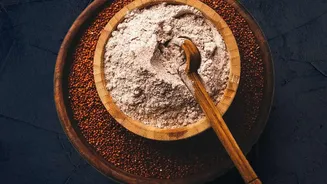
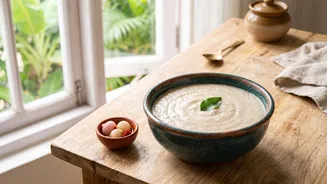
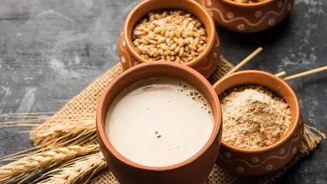
for a long day of physical work under the sun. Traditionally, it’s a simple porridge made by cooking ragi (finger millet) flour with water, sometimes with leftover rice, and then leaving it to ferment overnight. This mixture, often thinned with buttermilk and seasoned with salt, shallots, or herbs, was a rustic staple—deeply nourishing and intrinsically tied to the land. Now, this very tradition is capturing the imagination of city dwellers seeking authentic, wholesome nutrition.
The Probiotic Powerhouse
The modern appeal of Ambali lies in a benefit its traditional consumers enjoyed instinctively: its probiotic content. The magic happens during the fermentation process, which typically lasts 8-12 hours. This natural process allows beneficial bacteria, primarily lactic acid bacteria, to flourish. These microbes are probiotics, which support a healthy gut microbiome, improve digestion, and can even boost immunity. Unlike many commercially produced probiotic drinks, Ambali's fermentation is a natural, slow process that also reduces anti-nutrients like phytic acid found in millets, making minerals like calcium and iron more bioavailable.
A Taste of Tradition, Reimagined
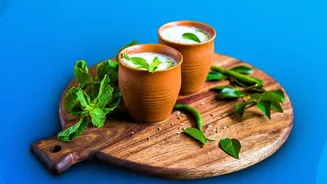
So, what does it taste like? Ambali has a unique flavour profile that is earthy and slightly thick from the millet, with a distinct, mild tang from the fermentation, similar to buttermilk or unsweetened yoghurt. While the core recipe is simple, urban cafes are giving it a contemporary makeover. You might find it served chilled in a tall glass, garnished with fresh mint, or infused with spices. Some wellness-focused establishments are positioning it as a savoury, gluten-free alternative to smoothies and juices. This modern presentation makes the ancient drink more approachable for a new generation that values both authenticity and aesthetic appeal.
The Millet Renaissance
Ambali’s resurgence isn't happening in a vacuum. It’s part of a broader 'millet renaissance' sweeping across India and the globe. Celebrated for their climate resilience and impressive nutritional profiles, millets are being championed as superfoods. Finger millet, the star of Ambali, is a nutritional powerhouse, packed with calcium, iron, and dietary fibre. As consumers become more interested in sustainable food sources, indigenous grains, and gut-friendly diets, traditional preparations like Ambali are moving from the periphery to the spotlight. They represent a powerful connection to India's agricultural heritage and culinary wisdom.