




A 'Proud Moment' Announced at Oxford
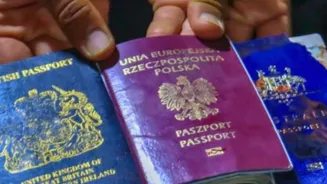
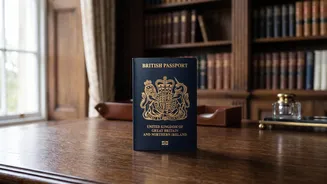
On November 14, 2026, while addressing the prestigious Oxford Union, Lalit Modi announced he had officially become a British citizen. In a post on social media platform X, he revealed that he celebrated the milestone at a ceremony on September 15, calling
it a 'proud' and 'deeply personal' moment. Having resided in the United Kingdom since leaving India in 2010, Modi described the UK as his home and expressed deep admiration for its values and institutions, stating he embraces his new citizenship with 'pride, gratitude and a genuine sense of belonging'.
The Architect Who Fled His Creation
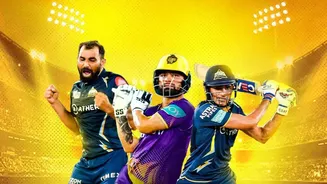
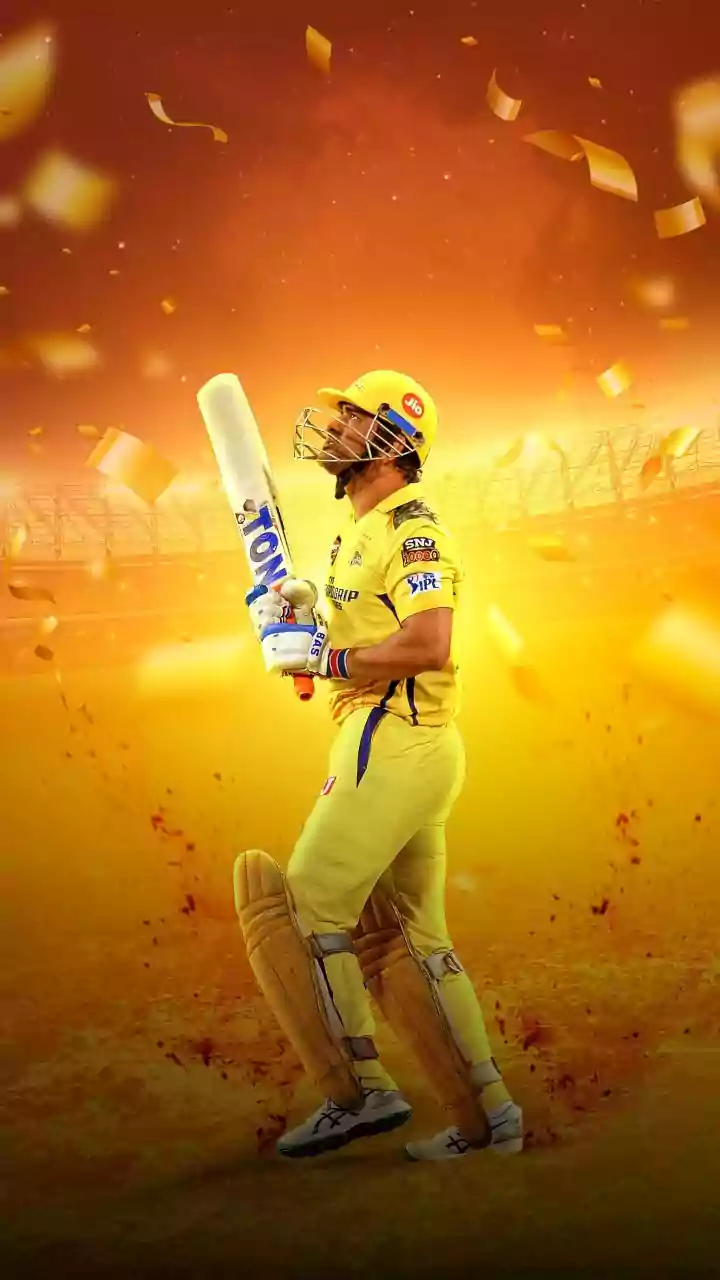
Lalit Modi is widely credited as the visionary behind the Indian Premier League, a glamorous and highly lucrative Twenty20 cricket tournament he founded in 2008. However, his tenure as its chairman and commissioner was cut short in 2010. He was suspended by the Board of Control for Cricket in India (BCCI) over allegations of financial irregularities, bid-rigging, and abuse of authority. Shortly after, as Indian investigative agencies like the Enforcement Directorate (ED) launched probes into these allegations, Modi moved to London and has not returned since.
What Are the Allegations Against Him?
The cases against Lalit Modi are complex, primarily involving alleged violations of the Foreign Exchange Management Act (FEMA) and the Prevention of Money Laundering Act (PMLA). The Enforcement Directorate has pursued multiple cases, including one alleging that Modi manipulated the process for assigning IPL broadcast rights in 2009 in exchange for a substantial kickback. Other allegations relate to the transfer of funds to Cricket South Africa for the 2009 IPL season and irregularities in franchise ownership. A non-bailable warrant was issued against him in 2015. Modi has consistently denied any wrongdoing, maintaining he is the victim of a 'political witch-hunt' and that no formal chargesheet has been filed against him in court.
Does British Citizenship Grant Him Immunity?
In short, no. Acquiring British citizenship does not automatically shield him from legal proceedings in India or grant immunity from extradition. The 1992 extradition treaty between India and the UK explicitly allows for the extradition of each country's own nationals. However, the development significantly complicates India's efforts. As a British citizen, Modi is now entitled to the full legal protections afforded by the UK. This means India's only route to bring him back is through a formal, and often lengthy, extradition process; options like deportation for immigration violations are off the table.
A New Twist in a Long Extradition Battle
India has been seeking Modi's return for years. A request for his deportation was rejected by the UK in 2012, citing its domestic laws. While the extradition treaty exists, the process is notoriously slow and challenging. British courts scrutinise requests heavily, and defendants can raise several objections, including claims of political motivation or potential human rights violations, such as poor prison conditions. While there are precedents of British citizens like Christian Michel being extradited to India, Modi's case now enters a more complex legal phase. His new status automatically terminates his Indian citizenship, as India does not permit dual nationality, making him solely a British national in the eyes of the law.