







A Powerful and Foundational Stance
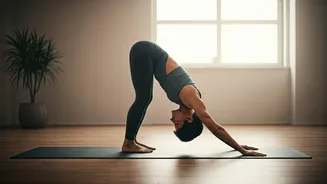
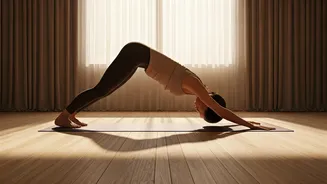
Warrior II, or Virabhadrasana II in Sanskrit, is a cornerstone of modern yoga practice. Named after a fierce mythical warrior, this standing pose embodies strength, stability, and focus. It's a powerful and active posture that challenges you to ground
down through your feet while expanding and opening your upper body. While it may look simple, holding Warrior II requires the integration of the entire body, building not just physical strength but also mental endurance and resolve. It's a foundational pose that serves as a transition to many other postures, including Reverse Warrior, Extended Side Angle, and Triangle Pose.
The Anatomy of Strength
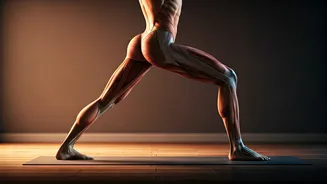
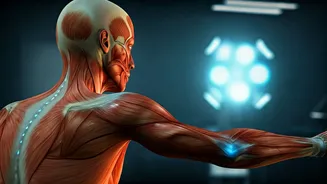
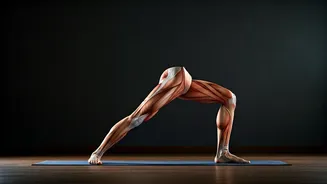
The primary benefit highlighted in Warrior II is its incredible ability to strengthen the lower body. When you hold the pose correctly, you engage a wide array of muscles. The quadriceps and hamstrings in the front leg work hard to maintain the deep knee bend, building endurance. The gluteal muscles in both legs are activated to stabilize the pelvis. Your adductors, or inner thigh muscles, get a stretch while also helping to control the position. It’s not just the legs, either; the pose also strengthens the core, shoulders, and arms as you hold your body stable and your arms extended.
Your Step-by-Step Guide
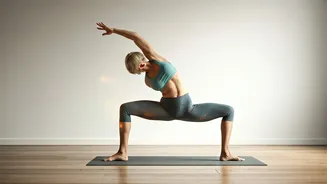
Proper alignment is key to reaping the benefits and preventing injury. Start by standing on your mat and stepping your feet wide apart, about 3.5 to 4 feet. Turn your right foot out 90 degrees to face the front of the mat and turn your left foot in slightly. A good alignment cue is to have your front heel in line with the arch of your back foot. Inhale and extend your arms out to the sides at shoulder height. As you exhale, bend your right knee until it is directly over your right ankle, aiming for your thigh to become parallel to the floor. Press firmly into the outer edge of your back foot to keep that leg engaged and straight. Keep your torso centered over your hips and turn your gaze over your front fingertips. Hold for 5 to 10 breaths before straightening the leg and repeating on the other side.
Perfecting Your Form
There are several common misalignments to watch for in Warrior II. One of the most frequent is letting the front knee drift inward or extend past the ankle. To correct this, actively guide your knee so it points toward the second and third toes and ensure it stays stacked over the ankle. Another common error is leaning your torso too far forward, creating a “running warrior” effect. Keep your spine long and your shoulders stacked directly over your hips. Also, avoid losing engagement in the back leg; keep it active by pressing the outer edge of the foot into the mat to create a stable foundation.
Making it a Daily Habit
Practicing Warrior II daily can lead to significant gains in strength, stability, and flexibility. A daily routine helps build muscle memory and can improve your technique faster. However, “daily” doesn’t have to mean a long, intense session. Even a few minutes on each side can be beneficial. It's crucial to listen to your body. If you feel any sharp pain, especially in the joints, ease off. For beginners or on days when you feel fatigued, you can use modifications. Try shortening your stance to reduce the intensity or use a chair for support under the front thigh. You could also practice against a wall to help with balance and alignment. The key is consistency and mindfulness, not pushing through pain.