




Why Altitude Is Your Ally
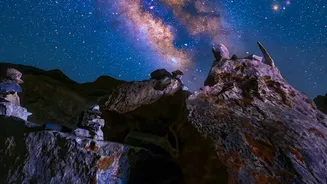
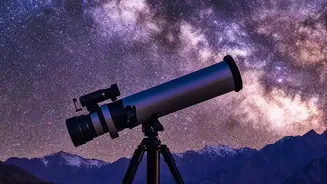
The magic of stargazing in places like Spiti Valley isn't just about escaping city lights; it's about elevation. At altitudes often exceeding 3,000 metres, the atmosphere is thinner, drier, and cleaner. This means there's less air and moisture to distort
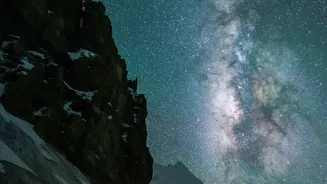
the light from distant stars, planets, and galaxies. The result is an incredibly sharp, stable, and vivid view of the cosmos. Stars don't twinkle as much; they shine with a steady, piercing light, and the Milky Way becomes so clear it can cast a faint shadow on moonless nights. This combination of high altitude, low humidity, and minimal light pollution creates some of the best stargazing conditions in the world.
Kibber: A Village Above the Clouds
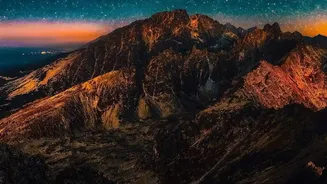
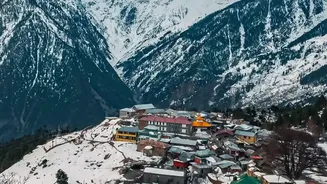
At an altitude of about 4,270 metres (14,000 feet), Kibber is one of the highest inhabited villages in the region. Its remoteness and elevation make it a paradise for astrophotographers and stargazers. With virtually zero light pollution, the night sky here is profound. On a clear night, the celestial canopy is dense with stars, and the Milky Way is easily visible to the naked eye. The village's traditional stone houses and the nearby Kibber Wildlife Sanctuary add to the unique, otherworldly experience of watching the cosmos unfold. The bone-dry air ensures that the stars appear as sharp points of light, offering stunning clarity.
Langza: Fossils and Galaxies
Famous as the 'Fossil Village' of Spiti, Langza offers a dual thrill: hunting for million-year-old marine fossils by day and gazing at galaxies by night. Situated at around 4,400 metres, the village is presided over by a towering, ancient statue of the Maitreya Buddha. This iconic statue, set against the backdrop of the star-spangled sky, creates a truly unforgettable and photogenic scene. The village’s isolation guarantees profoundly dark skies, making it a premier spot for observing the intricate structures of the Milky Way. The combination of geological history and celestial wonder makes Langza a standout destination.
Hikkim: Postcards from the Stars
Home to the world's highest post office at an elevation of 4,400 metres, Hikkim offers a unique opportunity to send a postcard from the roof of the world. But once the sun sets, its high-altitude location provides another spectacular service: phenomenal stargazing. The flat, treeless terrain around the village offers an unobstructed, 360-degree view of the horizon, which is a rare treat even in mountainous regions. The lack of pollution and clear, dry air mean you can witness the celestial ballet with exceptional clarity, from shooting stars to distant constellations.
Chitkul: The Last Village's Celestial Show
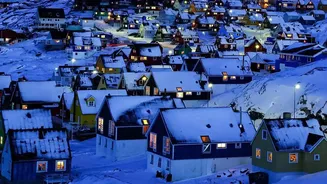
As the last inhabited village on the old Indo-Tibetan trade route in the Kinnaur district, Chitkul's remoteness is its greatest asset for stargazing. Situated in the picturesque Baspa Valley, its relatively lower light pollution compared to more accessible towns allows for brilliant night skies. Clear nights, especially in the autumn, reveal a sky packed with stars. Camping near the Baspa River under this cosmic dome is a popular activity, offering a serene and immersive experience far from the glare of tourist hubs.
Planning Your Astro-Adventure
The best time for stargazing in high-altitude Himachal, particularly Spiti, is generally from May to October, when the roads are open and the skies are consistently clear. The months of September and October, after the monsoon, are often cited as offering the crispest, clearest air. Always check the lunar calendar and plan your trip around a new moon for the darkest skies. Remember to pack warm, layered clothing, as temperatures drop sharply after sunset, even in summer. And finally, take time to acclimatize to the high altitude to enjoy the experience safely and comfortably.