




The Pacific's Powerful Pulse: El Niño
At the heart of the conversation is the El Niño-Southern Oscillation (ENSO), a recurring climate pattern involving changes in the temperature of the central and eastern tropical Pacific Ocean. In a normal year, trade winds push warm surface water towards
Asia. During an El Niño, these winds weaken or even reverse, causing warm water to build up in the eastern Pacific. This seemingly simple shift has massive ripple effects, altering weather patterns across the globe. For India, the connection is critical: El Niño is often linked to a weaker southwest monsoon, the season that delivers about 75% of the country's annual rainfall and is the lifeblood of its agricultural sector.
A 'Historic' Event on the Horizon
The concern for late 2026 and early 2027 is not just about any El Niño, but a potentially historic one. Major climate prediction centres, including NOAA, are forecasting a 'very strong' event, with a high probability that it will continue to intensify through the end of the year and persist into early 2027. Some models suggest the warming could surpass previous record-breaking El Niños. Forecasts from mid-August 2026 indicated a greater than 90% chance of a very strong event, with some predictions pointing to an event of a magnitude unheard of in modern records. This level of warming is what prompts scientists to use words like 'unprecedented' and 'deeply concerning'.
The Monsoon Under Threat
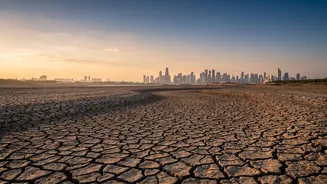
A strong El Niño is typically bad news for the Indian monsoon. The warming of the Pacific alters atmospheric circulation, which can weaken the moisture-laden winds that blow towards the subcontinent, leading to deficient and erratic rainfall. While not every El Niño results in a drought, the probability of below-normal rainfall increases significantly during strong events. The World Meteorological Organization's outlook for the August to October 2026 period already points to a classic El Niño pattern, with a higher likelihood of drier-than-normal conditions over the Indian subcontinent. This raises alarms not just for the ongoing kharif (summer) crop but for future seasons as well.
Ripple Effects for Farms and Finances
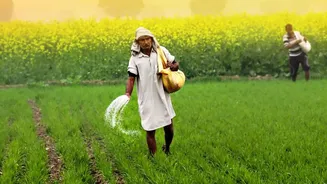
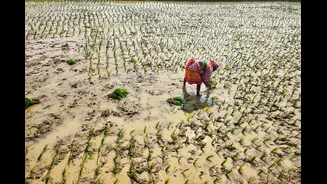
The consequences of a weak monsoon extend far beyond the farm. Roughly half of India's farmland is rain-fed, making the agricultural sector highly vulnerable to monsoon failures. Poor rainfall can devastate crop yields, affecting rural incomes and reducing purchasing power, which in turn impacts the broader economy. A shortfall in agricultural production can lead to food inflation, forcing the government to manage supplies and potentially impacting interest rate decisions. The risk can even spill over to the rabi (winter) crop, as poor monsoons fail to adequately replenish reservoirs needed for irrigation later in the year.
More Than Just Monsoon
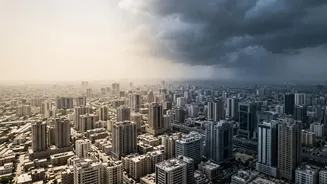
The impacts are not limited to agriculture. Water reservoirs that supply drinking water and generate hydroelectric power depend on monsoon rains. Deficient rainfall can lead to water stress in cities and reduced power generation. Furthermore, El Niño years are often associated with higher temperatures, which can increase electricity demand for cooling. There is also a complex interplay with other climate phenomena, like the Indian Ocean Dipole (IOD), which can sometimes either buffer or worsen El Niño's drying effect. While a positive IOD is also forecast, the sheer strength of the predicted El Niño has forecasters on high alert for widespread disruptions.