




The Enemy: Understanding Trapped Moisture
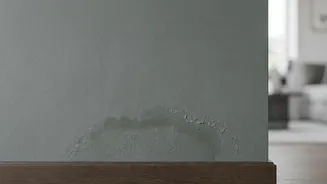
After a downpour, water doesn't just sit on surfaces; it seeps into porous materials like wood, drywall, and insulation. This trapped moisture creates the perfect breeding ground for mould, which can begin to grow within just 24 to 48 hours. Beyond the health
risks associated with mould, such as allergies and respiratory issues, lingering dampness can cause structural materials to rot and weaken, leading to costly long-term damage. The goal isn't just to make things 'look' dry; it's to remove the hidden water before it causes serious problems. Rain itself doesn't create mould, but the damp environment it leaves behind allows existing spores to flourish.
The First 48 Hours: Your Critical Window
Time is of the essence. The first two days after water gets in are crucial for preventing mould. Start by ensuring the area is safe. If there's significant water, turn off the electricity to the affected area to avoid electrical hazards. Then, remove as much standing water as you can using mops, buckets, or a wet-dry vacuum. Throw out items that cannot be cleaned and dried quickly, like mattresses, rugs, and upholstered furniture. Once bulk water is gone, the scientific drying process can begin. It’s far easier to evaporate moisture from a damp surface than a flooded one.
The Science of Drying: Airflow and Dehumidification
Professional drying relies on two core principles: evaporation and dehumidification. Think of them as a team. First, you need to get the moisture out of the walls and floors and into the air. This is done with powerful airflow. Second, you need to remove that moisture from the air. That's the job of a dehumidifier. Using fans alone in a closed, humid room can actually make things worse by spreading moisture around. The key is to create a continuous cycle: fans lift moisture into the air, and a dehumidifier pulls it out. This coordinated effort is the fastest way to dry a structure thoroughly.
Strategic Airflow: How to Use Fans Correctly
Don't just point a single fan at a wet spot. For effective drying, you need to create strategic airflow that covers all affected surfaces. Use multiple fans if possible. Position them to blow air along wet walls and floors, not directly at them. This helps to shear the layer of saturated air from the surface and replace it with drier air, speeding up evaporation. Open interior doors, closets, and cabinets to ensure air circulates everywhere. If weather permits and the air outside is drier than inside, opening windows can also help ventilate the space and exhaust the damp indoor air.
Lowering Humidity: The Dehumidifier's Role
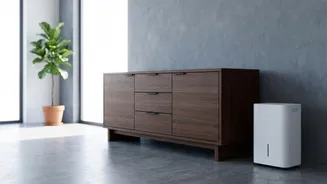
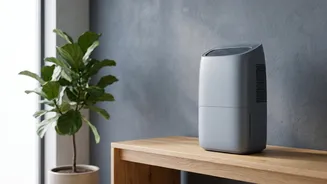
While fans get moisture moving, a dehumidifier is what actually removes it from your home. For it to work effectively, close the windows and doors of the room you are drying to create a controlled environment. Your goal is to lower the indoor relative humidity to between 30% and 50%. This range is not only uncomfortable for mould and dust mites but is also the sweet spot for efficient drying. If you don't have a dehumidifier, you can use natural alternatives in smaller, contained spaces. Bowls of rock salt or charcoal briquettes can absorb ambient moisture.
Prevention is the Best Cure
Once your home is dry, turn your attention to preventing a repeat problem. Regularly clean your gutters and downspouts to ensure rainwater is directed away from your home's foundation. Inspect your roof for any cracked or missing tiles and check that windows and doors are properly sealed. Inside, improve daily ventilation, especially in moisture-prone areas like kitchens and bathrooms, by using exhaust fans or opening windows after cooking or showering. Keeping furniture a few inches away from walls also allows air to circulate, preventing moisture from getting trapped.