




The Rainy Season Is the New Peak Season
Forget waiting for summer holidays. A significant shift in travel patterns shows that Indians are now planning shorter, more frequent getaways throughout the year, and the monsoon season has become a major draw. Major hotel chains are reporting that bookings
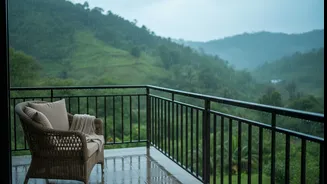
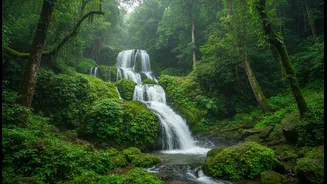
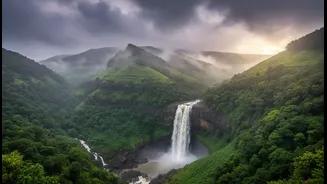
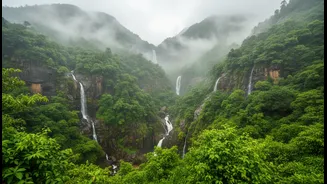
for July are pacing well ahead of previous years, with some popular destinations seeing a nearly tenfold growth in hotel reservations compared to last year. This trend is driven by travellers seeking the unique beauty of mist-covered hills, overflowing waterfalls, and vibrant green countrysides in places like Kerala, Goa, Coorg, Munnar, and Lonavala. The appeal is expanding beyond just sightseeing to include wellness retreats and cultural experiences, as the rain offers a quieter, more immersive version of India. But this new demand means that the old assumptions about lower prices and fewer crowds may no longer apply. Planning a monsoon trip now requires a more careful approach.
Check 1: Destination Accessibility and Safety
Before you get carried away by images of misty mountains, the first and most critical check is safety and accessibility. Hilly and mountainous regions, while stunningly beautiful during the monsoon, are susceptible to landslides, roadblocks, and localised flooding. Always check the latest weather forecasts and local government advisories for your chosen destination. Pay close attention to news about road conditions, especially for remote resorts. It is wise to choose destinations that are known to handle rains well or are located in less vulnerable areas. For example, while the Western Ghats are popular, some areas are more prone to disruption than others. Having a flexible itinerary is key; be prepared for potential delays in flights, trains, or road journeys due to unpredictable weather.
Check 2: Hotel Location and Infrastructure
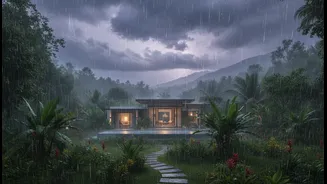
Your hotel choice is more than just about a comfortable room; it's about a safe haven from the elements. When booking, look beyond the pretty pictures and investigate the property’s monsoon readiness. Avoid hotels situated in low-lying or flood-prone areas. Reading reviews from guests who have stayed during previous monsoon seasons can provide invaluable insights. A well-prepared hotel should have proper drainage, power backup facilities, and anti-skid tiles on pathways. An in-house restaurant becomes a major advantage, as you may not want to venture out for every meal during a downpour. Also, confirm if the resort has measures for insect control, as mosquitoes can be a problem during this season.
Check 3: Available Activities and Amenities
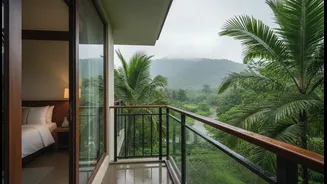
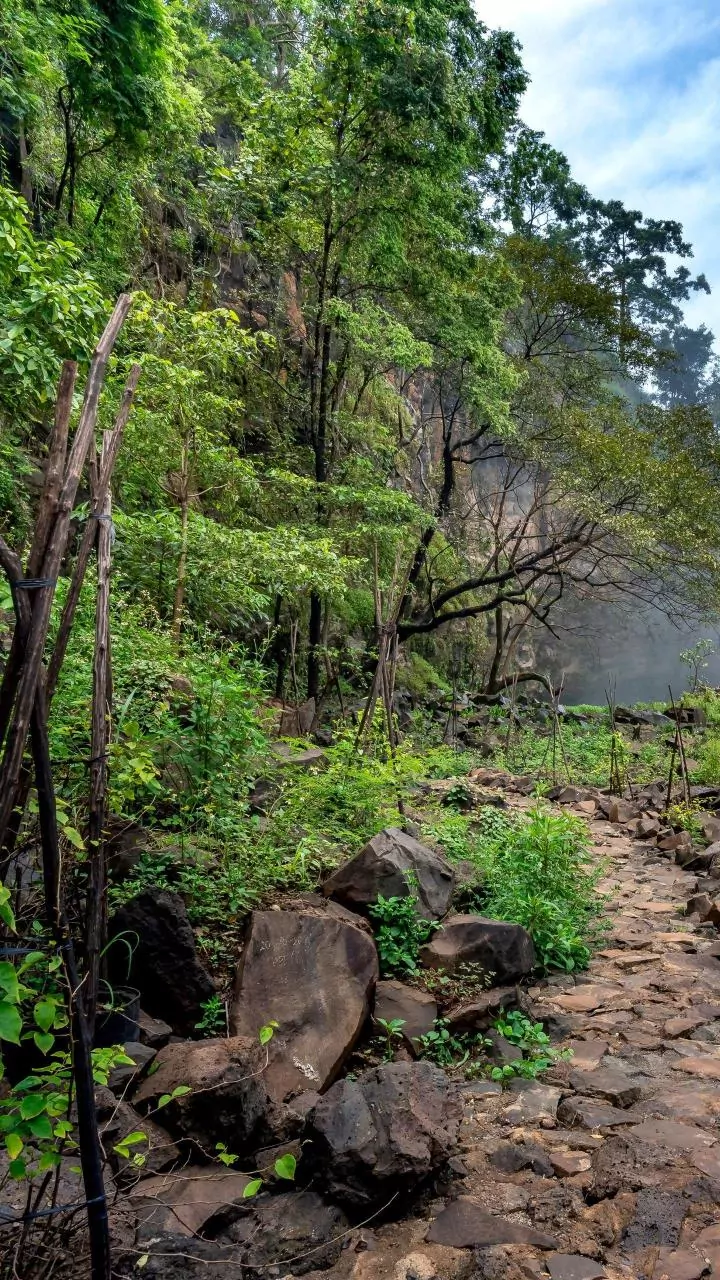
A common mistake is assuming all tourist spots and activities will be open. Many national parks, wildlife sanctuaries, and trekking trails are closed during the monsoon for safety reasons. Before booking, research what you can realistically do. Will the waterfalls be accessible for viewing, or will the paths be closed? Are adventure sports operational? This is where the hotel’s amenities become crucial. Since you may spend more time indoors, look for properties that offer engaging indoor activities like a spa, a library, board games, or even a heated pool. A room with a large window or a covered balcony can turn a rainy day from a disappointment into a cozy, atmospheric experience.
Check 4: Health and Packing Essentials
The monsoon brings a higher risk of water-borne diseases and other health concerns. Prioritise hygiene by drinking only bottled or purified water and avoiding street food, no matter how tempting it looks. Pack a basic first-aid kit containing essentials for colds, fevers, and indigestion, along with antiseptic cream and an insect repellent. When it comes to clothing, think practical. Pack lightweight, synthetic clothes that dry quickly; jeans are a poor choice as they take forever to dry. A reliable waterproof jacket, an umbrella, and slip-resistant footwear are non-negotiable. Finally, protect your electronics. Use waterproof backpacks or dry bags, and keep phones, cameras, and chargers in zip-lock pouches.