






The Overnight Advantage for Urban Explorers
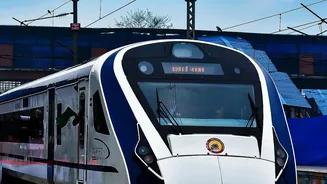
The secret to affordable safari travel lies not in a new, exclusive service, but in leveraging one of India’s greatest assets: its extensive railway network. Opting for an overnight train from a major metro city is a strategic move for any budget-conscious
wildlife enthusiast. The journey itself becomes part of the adventure, saving you precious travel time by moving while you sleep. More importantly, it saves you the cost of one night's hotel accommodation, money that can be better spent on an extra jungle safari. Compared to the combined expense of flights and long taxi rides from the airport, the train emerges as a clear winner for keeping costs down without sacrificing the experience.
Nagpur: Your Gateway to Tiger Country
Nagpur, well-connected by a web of overnight trains from metros like Mumbai, Pune, and Hyderabad, serves as the primary hub for two of India's most celebrated tiger reserves. After arriving in the morning, you are a mere two-to-three-hour drive from the gates of Pench National Park, the landscape that famously inspired Rudyard Kipling's 'The Jungle Book'. Equally accessible is the Tadoba Andhari Tiger Reserve, renowned for its high density of tigers and frequent sightings. Numerous express and superfast trains, including the popular Duronto Express from Mumbai, make reaching Nagpur by morning a convenient reality. From the station, pre-booked taxis or local buses are readily available to take you to your jungle lodge.
Jabalpur: The Route to Kanha and Bandhavgarh
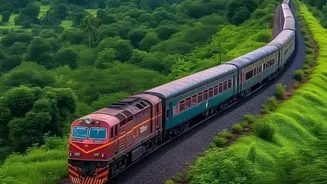
For those starting from Delhi and other northern cities, Jabalpur is the key railway station. Overnight trains deliver you to the heart of Madhya Pradesh, placing you within reach of two other iconic sanctuaries. Kanha National Park, a sprawling expanse of sal forests and grasslands, is a few hours' drive from Jabalpur and offers a holistic wildlife experience. It is one of the country's most successful conservation stories. Also accessible is Bandhavgarh National Park, which boasts one of the highest tiger population densities in India, increasing your chances of a memorable sighting. The traditional rail journey from the bustling capital to the forested heartland acts as a perfect transition from urban chaos to natural tranquillity.
Crafting Your Weekend Safari Itinerary
Planning a trip is straightforward. A typical itinerary could see you boarding a train on a Friday evening from your home city. You arrive at Nagpur or Jabalpur on Saturday morning, with a pre-arranged taxi waiting to transfer you to your resort near the park. After checking in and having lunch, you can head out for your first afternoon safari. You can fit in two more safaris on Sunday—one in the early morning and another in the afternoon—before a relaxed dinner and a drive back to the station to catch your overnight train home. You arrive back in your city on Monday morning, refreshed and full of stories, without having to take more than a day or two off work. This efficient model turns a grand adventure into a feasible weekend getaway.
Essential Planning and Booking Tips
Spontaneity has its limits when it comes to safaris. First, book your train tickets well in advance on the IRCTC website, especially during peak seasons and holidays, as popular routes fill up fast. Second, and most importantly, book your jungle safaris online through the respective national park's official website the moment you book your travel. Safari permits, particularly for popular zones, are limited and sell out weeks or even months ahead. Finally, arrange your road transfer from the railway station to your resort beforehand. Most hotels will happily arrange a pickup for a fee, which is often more reliable than haggling with local taxis upon arrival. A little planning ensures your journey from the railway tracks to the jungle tracks is seamless.