




Beyond the Odour: The Skin-Deep Problem
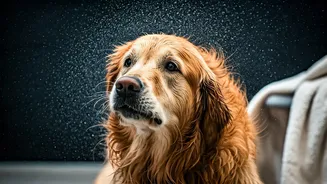
The primary issue with prolonged dampness is what happens at the skin level. A pet's fur, especially if it's thick or double-coated, can trap moisture against the skin, creating a warm, humid environment. [7, 10, 23] This disrupts the skin's natural barrier,
softening it and making it vulnerable. [10] This environment is the perfect breeding ground for bacteria and yeast, many of which are naturally present on a dog's skin but can multiply to harmful levels when conditions are right. [7, 10, 20] This overgrowth is what sets the stage for a host of painful and uncomfortable skin problems.
The Pain of Hot Spots
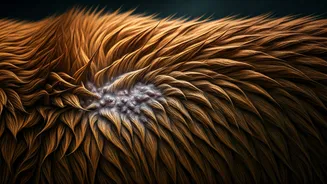
One of the most common and painful conditions caused by trapped moisture is acute moist dermatitis, better known as “hot spots.” [1, 2] These are angry, red, inflamed, and oozing areas of skin that can appear very suddenly and spread with alarming speed. [4] They often start from a minor irritation, like a flea bite or a small scratch, which the dog then licks or chews excessively. [3, 5] The moisture from the licking, combined with any dampness already in the coat, accelerates a bacterial infection on the skin's surface. [3] The result is a very painful lesion that can cause significant distress, leading to more chewing and a rapidly worsening cycle of infection and trauma. [2]
Fungal Foes and Yeast Infections
Bacteria aren't the only organisms that thrive in damp fur. Fungi and yeast, such as Malassezia, can also proliferate. [10] A yeast overgrowth often leads to greasy skin, a persistent musty odour, intense itching, and inflammation. [10] You might notice your dog scratching incessantly, or see flaky, crusty, or thickened skin, particularly in skin folds, armpits, and ears. [22] Matted fur that doesn't dry properly is especially problematic, as it holds moisture and debris close to the skin, creating an ideal habitat for these infections to take hold and spread. [18]
The Disturbing Risk of Myiasis
In warmer, more humid climates, persistently damp fur presents an even more serious danger: myiasis, or flystrike. [8] This occurs when flies, attracted to the moisture and odour of unkempt or infected skin, lay their eggs in a dog's coat. [6, 11] These eggs hatch into larvae (maggots), which then begin to feed on the animal's skin and tissue. [11, 13] This condition is not only deeply distressing but is also a medical emergency that can cause severe tissue damage and systemic infection. [12] Animals with open sores, incontinence, or mobility issues are at higher risk, but any pet with a perpetually damp and soiled coat can become a target. [6, 8, 11]
Prevention Through Proper Drying
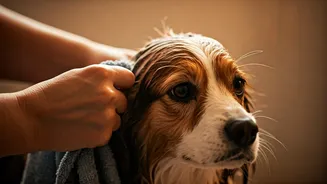
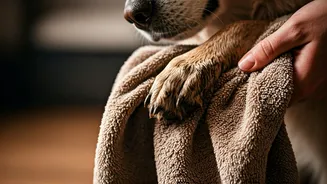
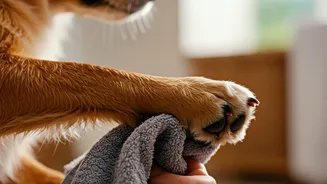
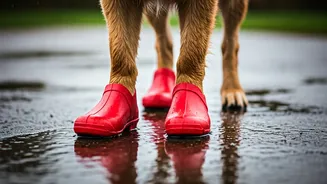
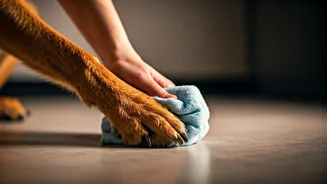
The key to preventing these issues is straightforward: ensure your pet gets thoroughly dry. After a bath, swim, or walk in the rain, towel-drying is a good first step, but it's often not enough, especially for dogs with thick undercoats. [7, 9] Pressing towels against the coat is better than rubbing, which can irritate the skin. [16] For long-haired or double-coated breeds, a pet-safe blow dryer on a low, cool setting can be invaluable for ensuring the undercoat and skin are completely dry. [7, 16] Pay special attention to areas like ears, armpits, groin, and between the toes, where moisture loves to hide. [16]
The Importance of Regular Grooming
Good grooming habits are a cornerstone of prevention. Regular brushing helps to remove loose fur and prevent mats from forming, which improves air circulation and allows the coat to dry faster. [18] Keeping your pet's coat clean and free of debris reduces the irritants that might cause them to lick or scratch, which can kickstart an infection. [18] For breeds with heavy coats or those prone to skin issues, professional grooming can help maintain a manageable coat length and ensure a healthy skin barrier, reducing the risk of moisture-related problems before they begin. [22]