







The Perennial Problem of Waste
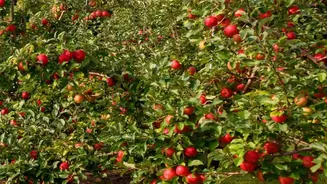
Kashmir is India’s apple capital, producing over 70% of the nation's total supply. Yet, for generations, a significant portion of this bounty never reached its full potential. Once harvested, farmers faced a race against time. Limited storage options
and the perishable nature of the fruit led to a market glut every harvest season. This forced growers to sell their produce at rock-bottom prices to avoid spoilage, a practice known as distress selling. Post-harvest losses, due to factors like poor handling, transport delays, and lack of preservation infrastructure, could wipe out 10-25% of the crop, turning a year's hard work into a significant financial loss. This cycle kept many farmers in a state of economic vulnerability, unable to command fair value for their world-class produce.
A Breath of Fresh (Controlled) Air
The game-changer has been the widespread adoption of Controlled Atmosphere (CA) storage. Unlike conventional cold rooms that only lower the temperature, CA facilities are high-tech marvels that meticulously manage the environment. Inside these sealed units, the levels of oxygen, carbon dioxide, nitrogen, and humidity are precisely regulated. By reducing oxygen to around 1.5-2%, the apple's respiration and ripening process is effectively put on pause, extending its shelf life from a few weeks to as long as ten months without losing its crispness, flavour, or nutritional value. This technology essentially gives farmers the power to stop time, transforming a highly perishable good into a stable, valuable asset.
Empowering the Farmer
The impact of CA stores on the ground has been nothing short of revolutionary. By eliminating the pressure to sell immediately, farmers can now hold their stock and release it into the market during the off-season when demand is high and supply is low. This strategic advantage has led to a dramatic increase in income. Growers have reported fetching prices double or even triple what they would have received during the harvest glut. For instance, a box of apples that might sell for ₹600 during the peak season can command ₹1,200-₹1,500 months later when sold from a CA store. This newfound pricing power is helping regulate market supply, prevent panic selling, and provide a financial lifeline for the region's horticulture economy.
The Road Ahead: Growth and New Challenges
The success of CA storage has spurred massive investment, with dozens of facilities now operational across the Kashmir Valley, particularly in hubs like Lassipora in Pulwama. However, this rapid growth is not without its challenges. The high cost of storage means it is sometimes more accessible to larger orchardists than to small, marginal farmers. Furthermore, some regions have seen such a concentration of new units that concerns about overcapacity are emerging. There are also operational hurdles, such as ensuring a consistent electricity supply and managing the environmental impact of these facilities. More recently, rising operational costs coupled with weak market prices have led some growers to question the economic viability, suggesting a delicate balance is needed for sustained success.