



The Protein Puzzle for Muscle Repair
Anyone who lifts weights knows that protein is the cornerstone of muscle repair and growth. When you train, you create tiny micro-tears in your muscle fibres. Protein provides the essential raw materials, known as amino acids, that your body uses to mend
these tears, making the muscles stronger and bigger. For vegetarian athletes, the primary concern is often whether they are consuming not just enough protein, but the right kind. While animal-based foods are often lauded for their protein content, a well-planned vegetarian diet can easily meet and even exceed the needs for peak physical performance. The key lies in understanding how plant proteins work.
Complete vs. Incomplete: The Amino Acid Story
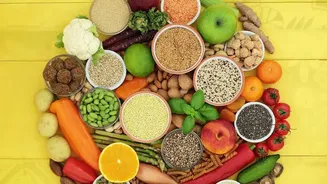
Proteins are made of 20 different amino acids. Your body can produce 11 of these on its own, but there are nine, called essential amino acids (EAAs), that you must get from your diet. A food source that contains all nine of these EAAs in sufficient amounts is called a 'complete protein'. Most animal products like meat, eggs, and dairy fall into this category. Most plant-based foods, such as grains, nuts, seeds, and legumes, are considered 'incomplete proteins' because they are low in one or more of these essential amino acids. However, some plant foods like quinoa, soy, and buckwheat are exceptions and offer a complete amino acid profile.
Unlocking Synergy: The Power of Combining
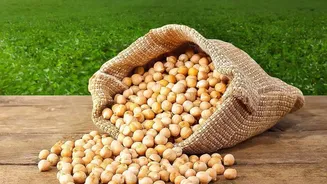
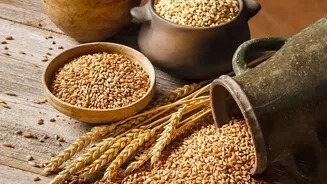
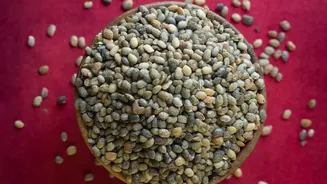
This is where the concept of 'plant protein synergy' or 'protein complementing' comes into play. It’s the simple but powerful strategy of combining two or more incomplete plant proteins to create a meal that provides all nine essential amino acids. Different plant foods have different amino acid strengths and weaknesses. For instance, legumes like dal, chana (chickpeas), and rajma (kidney beans) are typically high in an EAA called lysine but low in methionine. Grains like rice and wheat, on the other hand, are low in lysine but contain plenty of methionine. When you eat them together, their amino acid profiles complement each other, effectively creating a complete protein.
Classic Indian Pairings That Work
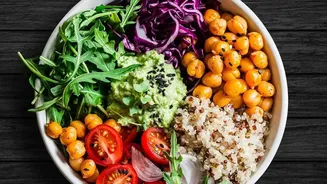
The good news is that many traditional Indian meals are naturally designed for protein synergy. You're likely already practicing this without even realising it. Classic combinations like dal and rice are a perfect example. The lentils provide the lysine that rice lacks, and the rice provides the methionine that the lentils are low in. Other powerful pairings include roti (whole wheat) with a chickpea curry (chole), hummus (made from chickpeas and sesame tahini) with pita bread, and even a simple peanut butter sandwich on whole-grain bread. Dishes like idli and dosa, made from a fermented batter of rice and urad dal, are another excellent example of this nutritional wisdom embedded in our cuisine.
Timing and Variety Are Key
For years, it was believed that you needed to combine these complementary proteins in the very same meal for your body to use them effectively. However, newer research shows that this isn't strictly necessary. Your body maintains a pool of free amino acids, so as long as you consume a variety of plant protein sources throughout the day, you can still meet your essential amino acid needs. For a gym-goer focused on muscle synthesis, however, consuming well-rounded protein meals post-workout can be a practical way to ensure your muscles get everything they need for recovery. Aim for variety in your diet—incorporate a mix of dals, beans, whole grains like quinoa and oats, nuts, and seeds to ensure a steady supply of all essential amino acids.