





Why You Should Add Twists to Your Warm-Up
The standing torso twist is more than just a simple side-to-side movement; it's a powerful dynamic exercise that prepares your body for more intense activity. Its primary benefit is enhancing spinal mobility and flexibility, which is crucial for good
posture and overall movement. By engaging your core muscles, particularly the internal and external obliques, it helps to strengthen and stabilise your midsection. This activation is vital for almost any exercise that follows, from squats and deadlifts to sports like tennis or golf that involve rotational movements. Furthermore, performing twists increases blood flow to your muscles, warming them up and reducing the risk of injury. It's an efficient way to fire up the entire core and even benefits your back and spine.
Perfecting Your Form: A Step-by-Step Guide
Proper form is essential to maximise benefits and prevent injury. Start by standing with your feet shoulder-width apart and your knees slightly bent to create a stable base. Engage your core by bracing your abdominal muscles, as if preparing for a light punch to the stomach. You can either cross your arms over your chest or extend them out to the sides or front at shoulder height. Slowly and with control, rotate your upper body to one side, allowing your head and shoulders to follow. It's important to initiate the twist from your core, not by swinging your arms. The goal is to feel the rotation through your mid-back while keeping your hips facing forward as much as possible. Return to the center and then twist to the opposite side to complete one repetition.
Common Mistakes and How to Avoid Them
One of the most frequent errors is performing the twists too quickly. Rushing the movement or using momentum turns it into a less effective, and potentially harmful, action. The key is to move slowly and deliberately, focusing on muscle contraction. Another common mistake is moving the arms independently instead of keeping them locked with the torso; the twist should come from your trunk, not your limbs. Many people also make the error of twisting from their hips or letting their legs move excessively. To correct this, focus on keeping your lower body stable and the rotation happening above your waist. Finally, avoid hunching your back. Maintain a long, straight spine throughout the exercise to ensure you are targeting the right muscles and protecting your back from strain.
How to Integrate Twists Into Your Routine
Standing torso twists are an ideal component of a dynamic warm-up. Perform them after a few minutes of light cardio, such as jogging in place or jumping jacks, to get your heart rate up. They are particularly effective before any strength training session, as they prime the core for the stability required in heavy lifts. For general fitness, aim for about 10 to 15 controlled twists on each side. You can also perform them for a set duration, such as 30 to 60 seconds, focusing on quality of movement rather than quantity. Because they require no equipment, you can easily do them anywhere, whether it's at the gym, at home, or even as a quick break to reduce stiffness during a long day of sitting at a desk.
Simple Variations for Added Challenge
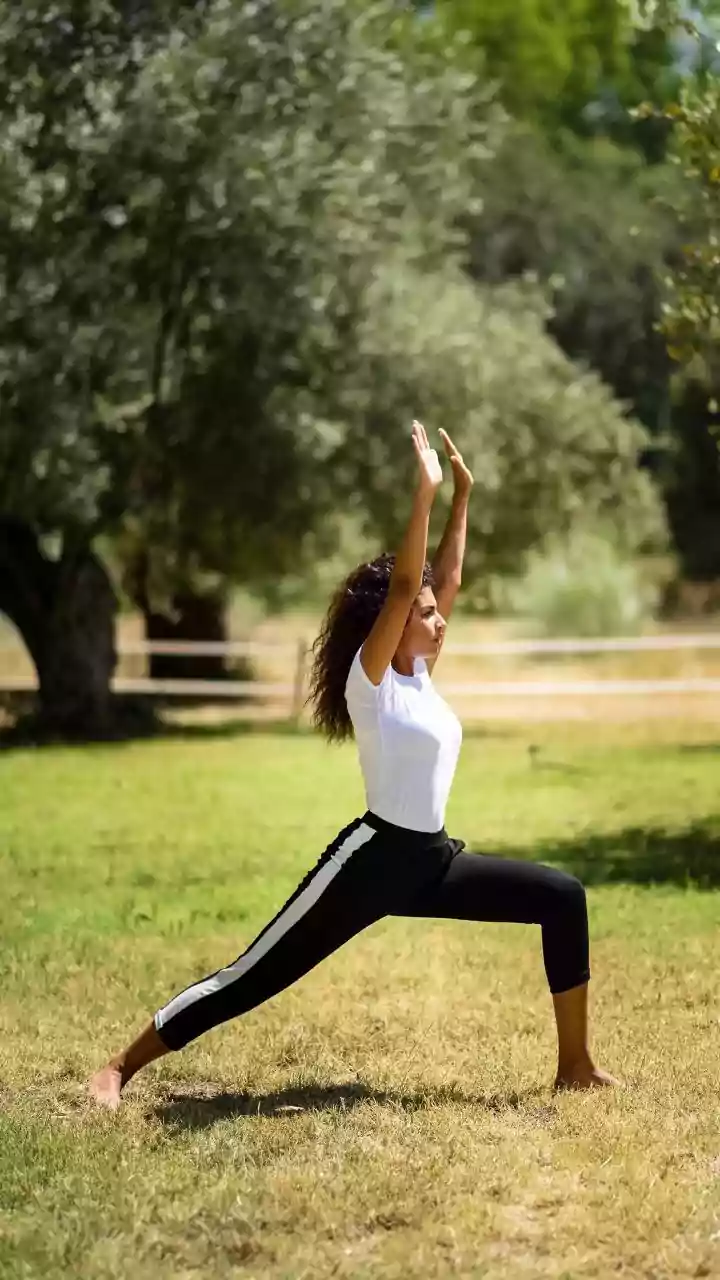
Once you have mastered the basic standing twist, you can introduce variations to keep your workouts interesting. A popular progression is to hold a light weight, such as a medicine ball or a small plate, close to your chest. This added resistance will further challenge your oblique muscles. Another option is to use a resistance band. Anchor the band to a stable object at chest height and, while holding it with both hands, rotate your torso away from the anchor point. This variation provides constant tension throughout the movement. For a greater full-body challenge, you can combine the twist with other exercises, such as performing a lunge and then twisting your torso over your front leg.