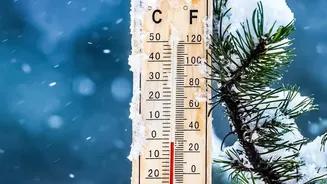



As the air turns crisp, the familiar chorus of coughs and sneezes begins. It’s no coincidence that winter is prime time for illnesses. It’s a combination of how viruses behave in cold air and how we change our own behaviour to adapt.
How Cold Air Helps Viruses Thrive
It’s a long-held belief
that cold weather itself makes you sick, but the reality is more complex. Germs, not temperatures, cause illness. However, winter conditions create a perfect storm for viruses like influenza, RSV, and those that cause the common cold. The key factor is humidity. Cold air holds less moisture, and indoor heating systems strip it further, creating a dry environment. In low humidity, the tiny respiratory droplets we expel when we talk or cough lose their water content, becoming smaller and lighter. This allows them to stay suspended in the air for hours, travelling farther and increasing the chance of being inhaled by others. Studies have shown that some viruses remain infectious for much longer in dry air, with infectivity dropping dramatically once relative humidity rises above 40%.
Weakened Defences in the Cold
Cold, dry air doesn't just help viruses travel; it also compromises our body's first line of defence. Our nasal passages and throats are lined with mucous membranes designed to trap pathogens before they can enter our system. Dry air can irritate these tissues, making them less effective at this job. Furthermore, recent research suggests that colder temperatures directly blunt our nasal immune response. When the temperature inside the nose drops, the quantity and quality of protective immune particles secreted by nasal cells decrease significantly, by as much as 42 percent after just a 15-minute exposure to cold. This gives invading viruses a crucial head start.
The Indoor Crowding Problem
When the weather turns cold, we naturally spend more time indoors. This leads to more time in shared, enclosed spaces like offices, schools, public transport, and homes. Increased proximity to other people who might be unwell is a major factor in seasonal illness. Poor ventilation in these spaces is also a significant issue. Without a steady flow of fresh air, virus-laden aerosols can build up, increasing the concentration of pathogens in the air and raising the risk of transmission for everyone in the room. The longer you spend in a crowded, poorly ventilated space, the higher the risk of exposure.
Hand Hygiene: Your Most Powerful Tool
Given these environmental factors, personal hygiene becomes the most important and effective way to protect yourself. Frequent and proper handwashing is critical. Viruses can live on surfaces for hours, and we often get sick after touching a contaminated surface and then touching our eyes, nose, or mouth. Washing your hands with regular soap and water for at least 20 seconds is highly effective at removing germs. It's crucial to wash hands after being in public places, after coughing or sneezing, and before eating. When soap and water aren't available, an alcohol-based hand sanitizer with at least 60% alcohol is a good alternative.
Beyond Handwashing: A Layered Defence
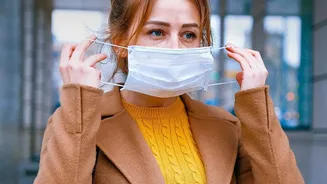
While hand hygiene is foundational, other habits create a layered defence against winter bugs. Consciously avoid touching your face, especially your eyes, nose, and mouth, to prevent transferring germs into your body. Practise good respiratory etiquette by coughing or sneezing into a tissue or your elbow, not your hands. If you feel unwell, staying home is one of the most considerate things you can do to prevent further spread. In crowded indoor settings, wearing a mask can provide an extra layer of protection for yourself and others. Finally, improving ventilation by opening windows, even for just a few minutes a day, can help disperse virus particles indoors.