


Start by Choosing Forgiving Plants
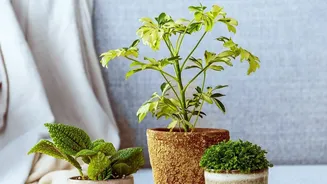
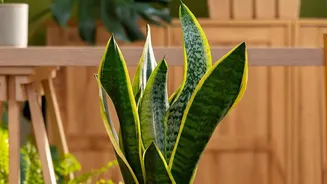
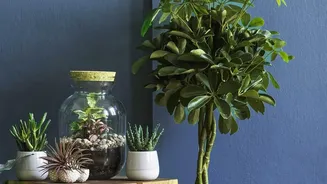
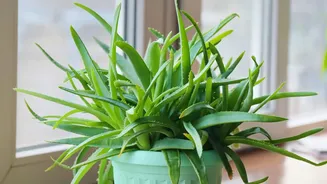
Your journey to a thriving indoor garden begins at the selection stage. Not all plants are created equal, and some are famously resilient, making them perfect for beginners. Species like the Snake Plant, ZZ Plant, and Pothos (Money Plant) are excellent
choices. These varieties are known for their ability to tolerate a range of conditions, including lower light and infrequent watering. Starting with a plant that can bounce back from minor mistakes builds confidence and prevents the early frustration that causes many to give up. Think of them as your training wheels; they’re hardy, beautiful, and give you room to learn.
Master the Art of Minimalist Watering
The single most common mistake beginners make is overwatering. Enthusiastic new plant parents often kill with kindness, thinking more water is better. In reality, consistently wet soil suffocates roots, leading to root rot. Instead of watering on a rigid schedule, adopt the 'finger test'. Stick your finger about an inch or two into the soil. If it feels dry, it’s time to water; if it’s moist, wait a few more days. When you do water, do it thoroughly until water runs out of the drainage holes at the bottom of the pot. Then, discard any excess water from the saucer. This 'soak and dry' method mimics natural rain cycles and is far more effective than giving small splashes of water frequently.
Understand Your Home's Light
Light is a plant's food, and understanding what your home offers is crucial. You don't need to be a scientist; just observe. 'Bright, indirect light' is the gold standard for most tropical houseplants, which means a well-lit room where the sun's rays don't fall directly on the leaves. Think of a spot a few feet from an east or west-facing window. 'Direct light' from a south-facing window can scorch the leaves of many popular indoor plants. 'Low light' doesn't mean a dark closet, but rather a corner far from a window that still receives some natural light. Matching your plant to the light you have, rather than forcing a sun-loving plant into a dim corner, is a core tenet of minimalist plant care.
Embrace the 'Leave It Alone' Philosophy
Beginners often feel the need to be constantly 'doing' something for their plants. This can lead to over-fussing, like repotting too soon, fertilizing a stressed plant, or moving it constantly. Plants need time to acclimate to their environment. Repotting should only happen when a plant has clearly outgrown its container, and fertilizing is generally only necessary during the active growing seasons of spring and summer—and even then, less is more. For most low-maintenance plants, feeding them once or twice during the season is plenty. A stressed, wilting, or dormant plant does not need fertilizer; it needs stable conditions. Often, the best thing you can do for your plant is simply leave it be.
Use Pots with Proper Drainage
This might seem obvious, but it's a non-negotiable rule for beginner success. A pot without drainage holes is a recipe for disaster, as it traps excess water at the bottom, guaranteeing root rot no matter how carefully you water. If you fall in love with a decorative pot that doesn't have a hole, use it as a 'cachepot'. Keep your plant in its simple plastic nursery pot (which has holes) and place it inside the decorative one. When it's time to water, you can take the inner pot out, water it in the sink, let it drain completely, and then place it back in its stylish home. This simple step is one of the most effective forms of insurance for your plant's health.