



A Sip of History
The word ‘sherbet’ itself whispers of a journey across lands and centuries. Derived from the Persian ‘sharbat’, which means a drink of sugar and water, its origins trace back to the mediaeval Middle East. But it was in the opulent courts of the Mughal
emperors that sherbet truly blossomed in India. Babur, the first Mughal emperor, famously missed the fruits and cool drinks of his homeland and sent for them. Soon, Indian kitchens began to adapt the concept, infusing it with local flowers, fruits, herbs, and spices. It became a symbol of hospitality, a drink of welcome, and an art form perfected by royal ‘abdars’ (water coolers), who crafted exquisite concoctions using ice hauled down from the Himalayas.
The Regional Rainbow of Flavours
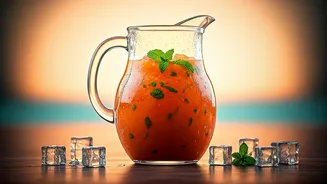
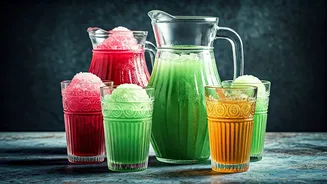
To say ‘sherbet’ is to speak of a thousand different drinks. In India, its identity is fiercely regional, a delicious map of the country's diverse flora. On the Konkan coast, the deep magenta of Kokum sherbet provides a tangy, slightly sweet respite that is both a digestive and a coolant. Travel north, and you'll find the earthy, almost spiritual flavour of Bael (wood apple) sherbet, a summer staple praised in Ayurveda for its gut-soothing properties. In the south, the fragrant roots of Nannari (Indian sarsaparilla) are boiled into a dark, molasses-like syrup that, when mixed with cold water and lime, creates a drink that is a local legend. And then there are the pan-Indian classics: the romantic, floral notes of Gulab (rose) and the deep, musky, rain-on-dry-earth aroma of Khas (vetiver), a scent that is synonymous with relief from the heat.
The Genius of Traditional Cooling
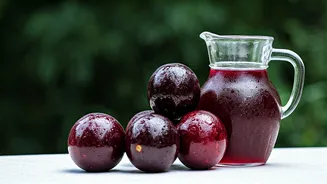
What makes sherbet so effective is not just the cold temperature; it’s the inherent wisdom of its ingredients. This isn't just folk knowledge; it's a science that generations have understood intuitively. Ingredients like vetiver, mint, and sandalwood are known for their ‘cooling’ properties in traditional medicine. Fruits like phalsa (Indian black currant) and raw mango (kairi) are packed with electrolytes and vitamins, perfect for rehydration. Unlike sugary sodas that can lead to a crash, these natural drinks work with the body to regulate temperature and replenish what the heat takes away. They are a masterclass in using nature's pharmacy to combat nature's fury.
A Memory in Every Glass
Ultimately, the power of sherbet lies beyond its ingredients. It is deeply woven into the fabric of Indian memory. It's the taste of summer holidays, of a grandmother stirring a large pot of rose syrup that would last the whole season. It’s the simple, profound gesture of offering a cool glass to a guest who has travelled through the sun. In a world of instant mixes and global beverage brands, the act of making and serving a sherbet is an act of care. It’s a connection to a slower, more deliberate way of life. While colas and bottled juices are transactional, a glass of homemade sherbet is relational. It tells a story of place, season, and affection.