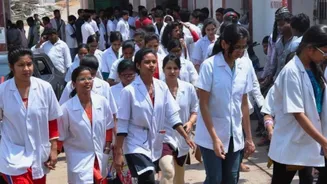







The Real Employability Crisis
India faces a quiet but persistent crisis: a significant portion of its graduates are not considered employable. Multiple reports from industry bodies and research firms consistently find that only about half of Indian graduates possess the skills needed
to be hired. The issue is not a shortage of degrees, but a deficit in readiness. Employers across sectors report that while candidates may have strong theoretical knowledge, they often lack the practical, real-world problem-solving abilities required on day one. This disconnect, often called the 'skills gap', means that even students with high marks struggle to translate their academic learning into workplace performance, leading to longer job searches and underemployment.
Moving From Grades to Growth
Traditional academic feedback in India has long centered on examinations, marks, and rankings. This system incentivizes rote memorization over genuine understanding and application. While grades can measure subject knowledge, they fail to provide the kind of guidance needed for professional development. Modern workplaces require employees who can communicate clearly, collaborate in teams, think critically, and adapt to new challenges—skills that are not fostered by an exam-centric model. Companies are increasingly vocal that they reject technically proficient candidates due to poor soft skills. The feedback students need, therefore, must shift from a summative judgment of past performance (a grade) to formative guidance that builds future competency.
What Workplace-Ready Feedback Looks Like
To prepare students for their careers, feedback must simulate the dynamics of a professional environment. This means moving beyond red marks on a paper to a continuous, constructive dialogue. Effective feedback is specific, actionable, and timely, allowing students to apply it to their next task. It should be built into the learning process through methods like project-based assessments, case study analyses, and internships where students tackle real industry problems. Furthermore, incorporating peer reviews teaches students how to both give and receive constructive criticism, a vital workplace skill. The goal is to create a cycle where students perform, receive input, reflect, and iterate—exactly as they would in a job.
The Educator's New Role
For this change to happen, the role of the educator must also evolve. Moving from a 'sage on the stage' to a 'guide on the side' is essential. This requires faculty to be trained in modern assessment and feedback techniques that go beyond traditional testing. It involves designing assignments that demand critical thinking and creativity, not just memory. India's National Education Policy (NEP) 2020 already advocates for such a shift, encouraging flexible curriculums, experiential learning, and competency-based assessments. By focusing on developing student competencies rather than just delivering content, educators can become powerful mentors who actively shape a student's professional-readiness.
Industry Must Enter the Classroom
Educational institutions cannot bridge this gap alone. A robust and continuous partnership with industry is non-negotiable. This collaboration must go beyond occasional guest lectures. It means co-creating curriculum to ensure it aligns with current industry needs and technologies. Companies can play a direct role by providing students with live projects, meaningful internships, and mentorship from practicing professionals. When industry experts provide direct feedback on student work, it validates their learning against real-world standards and gives them a clear understanding of employer expectations. Such systemic collaboration is the most effective way to ensure that what is taught in college is what is needed in the workplace.