






Start with a Sustainable Idol
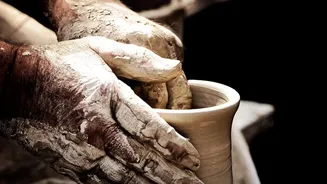
The centrepiece of the festival, the Ganesha idol, is the most impactful choice you can make. Traditionally, idols were made of riverbed clay (shadu maati), which easily dissolves in water. Over time, Plaster of Paris (PoP) became common due to its low
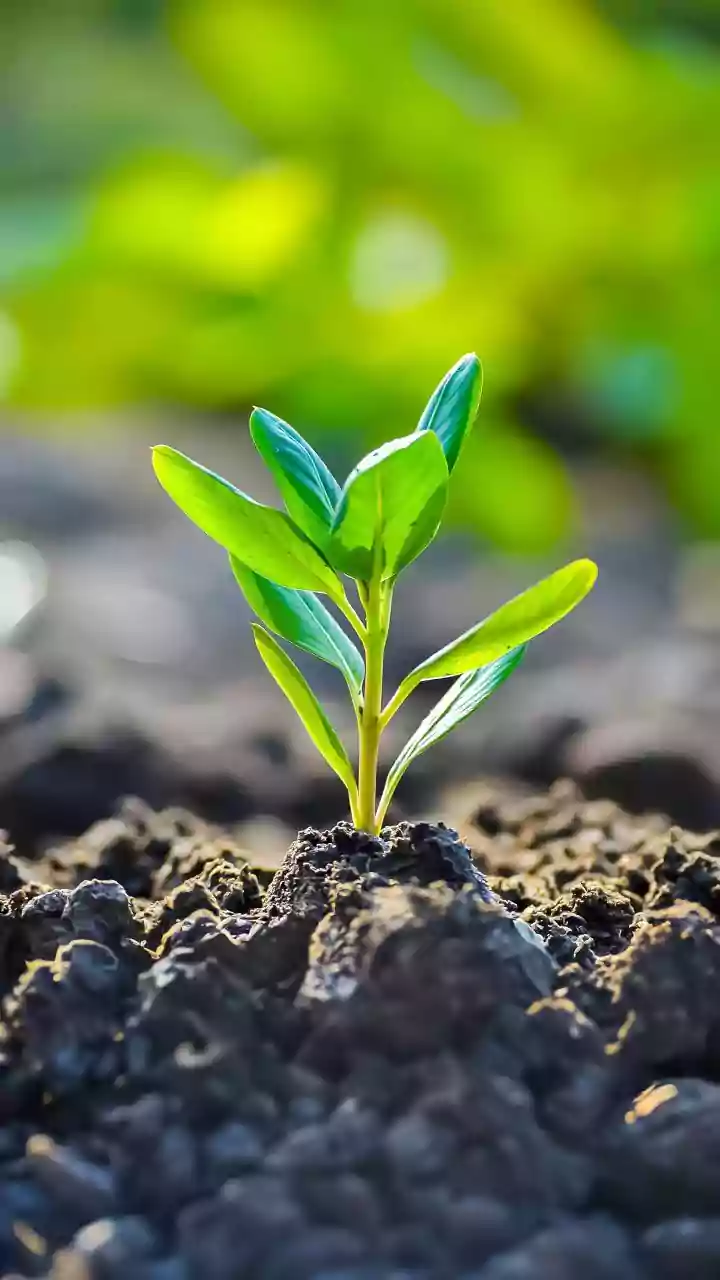
cost and mouldability, but it is non-biodegradable and pollutes water bodies with harmful chemicals. This year, opt for an idol made from natural clay. Many artisans now offer these, often painted with natural dyes like turmeric and geru. For an even greener choice, look for 'seed Ganeshas', which contain plant seeds and can be grown into a plant after immersion, creating life from the celebration. Choosing a smaller idol, around 6-12 inches, also makes the immersion process much easier and more manageable at home.
Rethink Your Decorations
Festive decor doesn't have to mean plastic and thermocol. Urban homes, especially apartments, can be beautifully decorated using sustainable materials. Use your balcony's greenery as a natural backdrop for your mandap. Instead of plastic flowers and synthetic streamers, opt for fresh, locally sourced flowers, mango leaves, and banana leaves. You can also repurpose old silk sarees or colourful dupattas as vibrant backdrops or drapes. For lighting, choose energy-efficient LED lights or traditional clay diyas over incandescent bulbs to conserve electricity. Even your rangoli can be eco-friendly when made with rice flour, turmeric, and flower petals instead of synthetic powders.
Mindful Feasting and Prasad
Festivals often lead to significant food and disposable waste. Plan your meals to get an accurate idea of how much food is needed, which helps prevent excess. When serving prasad and meals to guests, ditch single-use plastic or paper plates and cutlery. Instead, use traditional banana leaves or reusable steel plates and glasses from your own kitchen. For distributing prasad to neighbours and friends, consider using cloth or jute bags instead of plastic ones. Any organic waste, such as flower offerings, fruit peels, and leftover food, can be placed in a community compost pit or a home composting bin instead of being thrown away.
A Responsible Visarjan at Home
The culmination of the festival, the visarjan (immersion), is a critical moment for environmental impact. Instead of heading to already overburdened lakes or seas, you can perform a deeply personal and eco-friendly immersion at home. This is especially practical for city dwellers and works perfectly with clay idols. Simply fill a clean bucket or a large tub with water. After performing the final aarti, gently place the idol inside the water. A natural clay idol will typically dissolve within a few hours. This nutrient-rich clay water can then be poured into your potted plants, completing the natural cycle of returning earth to earth.
Share the Green Spirit
An eco-friendly celebration can extend beyond your own home. If you live in an apartment complex, suggest a community celebration with a single, larger eco-friendly idol instead of many individual ones. This reduces the overall material consumption and can strengthen community bonds. Share biodegradable prasad containers with your neighbours and talk about the simple changes you've made. Organising a collective home-immersion setup or a community composting system for festival waste can also be a great initiative. By involving children in making natural decorations or preparing for a home visarjan, you can pass on these valuable traditions of celebrating with respect for nature.