


The End of the Off-Season
For decades, India's tourism calendar was clearly defined: a busy winter peak season and a long, quiet lull during the monsoon. The rainy season, from roughly June to September, was synonymous with washed-out plans and plunging hotel occupancies. But
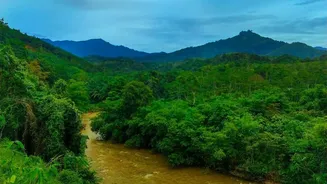
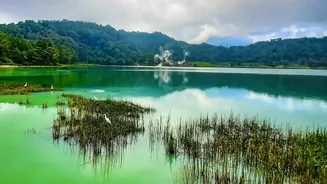
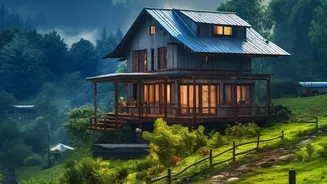
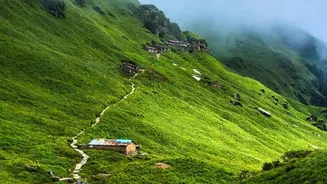
that perception has dramatically changed. Data from recent years shows a significant surge in domestic travel during these once-overlooked months. According to a July 2026 report from travel platform Cleartrip, hotel bookings during the monsoon season have jumped by nearly 54% year-on-year. The rains are no longer seen as a deterrent but as the main attraction, transforming landscapes into lush, green spectacles and creating a new, vibrant shoulder season for the hospitality industry. This isn't a fluke; it's a fundamental shift in how Indians approach travel.
What's Driving the Downpour of Tourists?
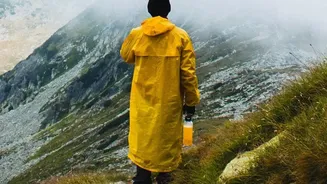
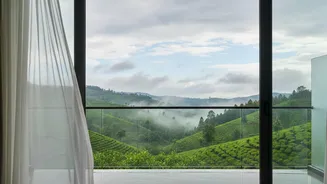
Several factors are fuelling this monsoon travel boom. The widespread adoption of remote and flexible work arrangements since 2020 has been a major catalyst. Professionals are no longer tethered to their city desks, making it easier to take spontaneous 'workcations' and short breaks. Improved infrastructure, particularly better road networks, has made scenic destinations in the Western Ghats and the Himalayas more accessible, even during heavy rains. Social media also plays a crucial role, with platforms like Instagram filled with aspirational images of misty hills, cascading waterfalls, and cosy cafes, turning rainy-day getaways into a desirable experience. Finally, there's the simple appeal of value. Travellers can often find attractive deals and lower prices compared to the peak winter season, making a quick monsoon trip an affordable luxury.
The Mid-Range Sweet Spot
While luxury resorts certainly benefit, the mid-range hotel segment is proving to be the real winner. Mid-range hotels—offering clean, safe, and air-conditioned rooms with reliable Wi-Fi and professional service, but without the sprawling amenities of a five-star property—are perfectly positioned for this new breed of traveller. They cater to a diverse crowd of millennials, solo travellers, families, and couples who are experience-focused and value-conscious. A recent report from Cleartrip highlighted that mid-range hotels have strengthened their share of bookings during the monsoon season. These travellers are seeking comfortable and convenient bases from which to explore, rather than all-inclusive luxury destinations. They want a good bed, a clean bathroom, and a strong internet connection for their workcation, and mid-range brands deliver this reliably and affordably.
From Lonavala to Wayanad: Where Are They Going?
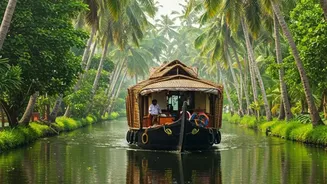
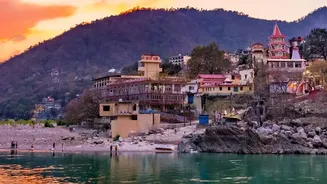
The demand is widespread, with certain destinations becoming monsoon hotspots. Booking.com data for July-August 2026 shows a massive surge in searches for hill stations. Rishikesh and Mussoorie have seen search interest grow by over 200% and 160% respectively. Other hill destinations like Wayanad, Ooty, and Kodaikanal are also experiencing sharp increases in hotel bookings. The Western Ghats, with popular spots like Lonavala, Mahabaleshwar, and Coorg, remain a favourite for road-trippers from Mumbai and Bengaluru. Even states like Goa and Kerala, traditionally known for their winter sun, are being rediscovered for their serene, rain-washed beauty, with fewer crowds and lush landscapes. The Northeast is also emerging as a strong performer, with Nagaland and Arunachal Pradesh seeing hotel bookings rise by over 90%.
How the Industry Is Responding
The hotel industry is actively adapting to and encouraging this trend. Instead of simply slashing rates, hotels are now creating curated monsoon packages that bundle stays with experiences like wellness treatments, guided nature walks, or local culinary tours. Many have realised that monsoon travellers are not just looking for a cheap room; they are seeking an emotional, restorative experience. Marketing has shifted from promoting discounts to highlighting the unique charm of the season—the misty mornings, the fresh air, and the opportunity to reconnect with nature. This strategic pivot has helped turn a historically challenging period into a profitable one, proving that with the right approach, there's no such thing as an off-season anymore.