


What is Slow Travel, Really?
At its heart, slow travel is a mindset that prioritises connection over consumption. [16] It's the conscious choice to experience a destination deeply rather than collecting a long list of ticked-off sights. [11] The term grew out of the 'Slow Food' movement
in Italy, which began in the 1980s as a protest against the opening of a McDonald's in Rome. [18] Just as that movement champions local culinary traditions over fast food, slow travel champions immersive, authentic experiences over mass tourism. [3, 18] It's about rejecting the idea that you have to see everything, and instead embracing the joy of truly getting to know one place. [6] This means staying longer in a single location, moving at a gentler pace, and making space for spontaneity. [2, 6]
The Problem with 'Checklist' Tourism
Many of us have experienced the burnout of a fast-paced vacation. [1] Itineraries are packed from dawn till dusk, creating a sense of pressure that leaves little room for relaxation or genuine discovery. [9, 17] This style of travel can be stressful and often leads to superficial interactions with a place. [12] You might get the photo, but you miss the feeling. Mass tourism can also have negative consequences for destinations themselves, contributing to overcrowding, environmental strain, and economic 'leakage', where money spent by tourists doesn't actually benefit the local community. [3, 4] In contrast, slow travel encourages a more mindful approach that benefits both the traveller and the host community. [19]
The Benefits of Taking It Slow
By slowing down, you give yourself the gift of time. Time to wander without a map, to have a long conversation with a shop owner, or to simply sit in a café and watch the world go by. [13] This approach fosters a much deeper cultural immersion, allowing you to understand the rhythm of daily life. [5] Travellers often report feeling more rested and rejuvenated, as the pressure to 'do it all' is replaced by the freedom to simply be. [8] Slow travel is also often more budget-friendly. By staying in one place, you reduce transportation costs and can take advantage of local markets and self-catering options. [1, 8] Furthermore, choosing to walk, cycle, or use public transport, and supporting local businesses, significantly reduces your environmental footprint and ensures your money directly supports the community you are visiting. [9, 10]
How to Embrace the Slow Travel Mindset
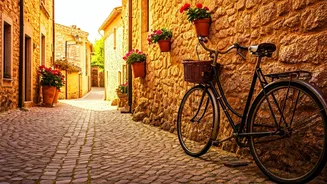
You don't need to quit your job and travel for a year to be a slow traveller. The philosophy can be applied to any trip, no matter the length. [16] The key is intentionality. [12] Start by planning less; instead of three cities in one week, choose one and explore it thoroughly. [6] Leave large gaps in your itinerary for unplanned adventures. [1] Ask locals for recommendations instead of relying solely on guidebooks. [1] Use public transport, walk, or rent a bike to get a feel for the landscape. [13] Consider staying in a family-run guesthouse or apartment to connect more with the local way of life. [15] Even a simple act like visiting the same café each morning can help you feel less like a visitor and more like a part of the community. [17]