




Drawing a Line Between Work and Life
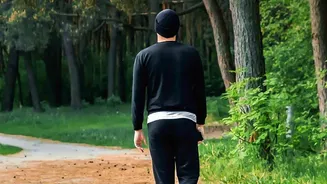
The modern workday often blurs the lines between professional and personal time. Laptops stay open late, and work notifications ping incessantly. An evening walk serves as a physical and mental full stop to the day's professional demands. Stepping outside
creates a powerful psychological boundary. This simple act of moving your body helps to lower levels of cortisol, the primary stress hormone, which often accumulates during a high-pressure workday. By deliberately transitioning from 'work mode' to 'personal time' with a walk, you signal to your brain that it is time to unwind and disconnect, which is the first crucial step toward genuine rest and recovery.
Kick-starting Digestion After Dinner
Late dinners are a common reality for many professionals in India, and going to bed on a full stomach can lead to discomfort, bloating, and poor sleep. A gentle walk after your evening meal is a highly effective way to aid digestion. Light physical activity stimulates the digestive tract, helping food move through your system more efficiently. Furthermore, a post-meal walk helps regulate blood sugar levels by encouraging your muscles to use the glucose from your meal for energy. This prevents the sharp blood sugar spikes and subsequent crashes that can leave you feeling sluggish and contribute to poor metabolic health over time.
Paving the Way for Restful Sleep
The key to having energy tomorrow is getting quality sleep tonight. An evening walk is a natural sleep aid. The gentle physical exertion helps expend any remaining restless energy, while the mental decompression reduces the anxiety and racing thoughts that can keep you awake. Studies show that regular physical activity helps regulate your body's internal clock, or circadian rhythm. The combination of reduced stress, better digestion, and a regulated sleep-wake cycle makes it easier not only to fall asleep but also to achieve deeper, more restorative sleep stages. This ensures your body and mind have the time to properly repair and recharge.
The Real Secret: Boosting Morning Energy
The ultimate benefit of an evening walk is felt the next morning. Contrary to the idea that exercise at night might leave you tired, a low-intensity walk actually boosts vitality. By improving sleep quality and reducing stress the night before, you wake up feeling genuinely refreshed, not groggy. Your body isn't fighting the lingering effects of a heavy meal or a mind full of work stress. This creates a positive feedback loop: better sleep leads to more morning energy, which results in a more productive day, making it easier to wind down in the evening. This 'energy balance' is the opposite of the burnout cycle many professionals find themselves trapped in.
How to Make It a Lasting Habit
The idea of adding another task to a packed schedule can seem daunting. The key is to start small and make it enjoyable. Begin with just a 10 or 15-minute walk right after dinner. You don't need special gear, just comfortable shoes. To make it a consistent habit, try walking with your partner, a family member, or a friend. You can use the time to catch up on your day. Alternatively, listen to a podcast, an audiobook, or some calming music. The goal is not to have an intense workout, but to create a sustainable ritual that you look forward to. Once the habit is formed, you will find it becomes a non-negotiable part of your day.