





The Great Hill Station Fatigue
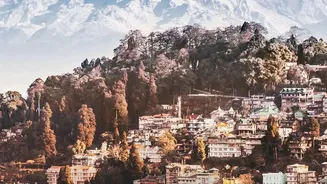
For decades, names like Shimla, Manali, Ooty, and Darjeeling have been synonymous with Indian leisure travel. They were the settings for honeymoons, family vacations, and summer retreats from the city heat. However, their very popularity has become their biggest
challenge. Today, a trip to these destinations often involves battling hours of traffic just to enter the town, navigating shoulder-to-shoulder crowds on the main mall road, and facing inflated prices for hotels and food. The commercialisation has, for many, diluted the experience, replacing serene natural beauty with the noise and stress of another city.
A Growing Appetite for Authenticity
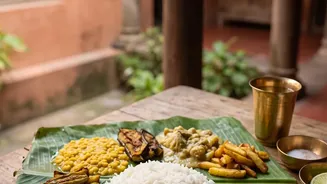
The modern Indian traveller is increasingly sophisticated. They are not just looking for a change of scenery, but a change of pace and a genuine connection to the place they are visiting. This has fuelled a powerful desire for authenticity that commercialised hubs struggle to provide. Travellers now want to experience local culture, eat regional cuisine prepared in a homestay kitchen, and explore landscapes that are not dotted with tourist traps. This shift is less about geography and more about experience; it is a search for travel that feels personal and unique, rather than pre-packaged and consumed by the masses.
The Rise of 'Work from Anywhere'
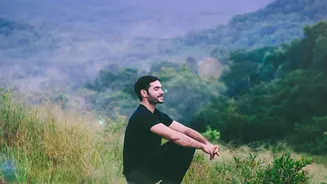
The normalisation of remote work has been a significant catalyst in this travel evolution. The ability to work from a laptop has untethered a large segment of the population from the need to live in a major city. This has given rise to the 'workation' trend, where people relocate to scenic, quieter locations for weeks or even months at a time. These long-stay travellers are not interested in the hustle of a tourist town. They seek good Wi-Fi, a peaceful environment, and a comfortable base. Small towns in states like Himachal Pradesh, Uttarakhand, and even coastal regions in the south have become ideal destinations, offering the perfect blend of productivity and peace.
Social Media's Role in Discovery
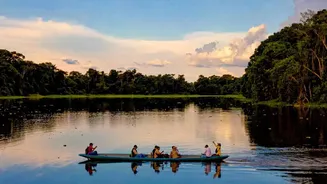
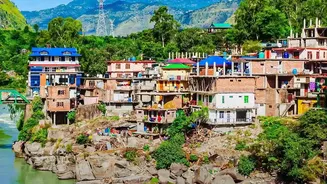
While social media is often blamed for overtourism, it has also played a crucial role in democratising travel discovery. A decade ago, finding out about a quaint village in a remote valley required poring over niche travel blogs or relying on word-of-mouth. Today, a single viral Instagram reel or a YouTube travel vlog can catapult a previously unknown hamlet into the spotlight. Travellers are actively seeking these 'hidden gems' to create their own unique content, moving away from the same-old shots of popular viewpoints. This has created a new map of travel in India, drawn by social media users and followed by those looking for their next offbeat adventure.
Economic Ripples and New Challenges
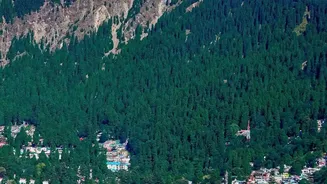
This preference shift is creating new economic opportunities in regions that were previously overlooked by the tourism industry. The demand for authentic experiences has fuelled a boom in homestays, boutique guesthouses, and small, locally-run cafes. This brings income directly into rural households and encourages a more sustainable, community-based model of tourism. However, it also brings challenges. As these small towns gain popularity, they risk facing the same problems of overcrowding, environmental strain, and unregulated construction that plague the larger hill stations. The key for these emerging destinations will be to manage growth responsibly to preserve the very charm that made them attractive in the first place.