


More Than Just Square Footage
The secret to a happy indoor pet isn't a sprawling house, but a stimulating environment. This is known as environmental enrichment, and it's all about engaging your pet's natural instincts. For dogs, this includes sniffing, chewing, and problem-solving.
For cats, it's about climbing, stalking, and scratching. Boredom can lead to unwanted behaviours like destructive chewing or excessive barking, but a home filled with engaging activities promotes physical and mental well-being. A small space can feel vast when it offers opportunities for play, exploration, and comfort.
The Simple Magic of Toy Rotation
Have you ever noticed your pet ignoring a toy they once loved? This is a common phenomenon called 'habituation,' where familiarity leads to boredom. The solution is simple and budget-friendly: toy rotation. Instead of leaving all toys out at once, keep only a few available and store the rest. Every week or so, swap the current toys for a set from the 'toy library'. When a toy reappears after an absence, it feels new and exciting again, reigniting your pet's curiosity. This not only keeps their minds sharp but also extends the life of the toys themselves. Be sure to leave out any special comfort items, but rotate the rest to keep playtime fresh.
Engage Their Brains with Indoor Games
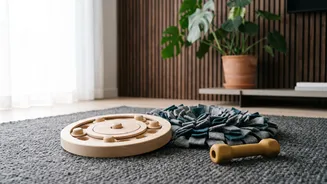
Mental exercise can be just as tiring as physical exercise. Simple indoor games can provide significant stimulation without needing much space. For dogs, scent work is a powerful tool. Start by hiding high-value treats around a room and encouraging them to 'find it'. Puzzle toys, snuffle mats, and slow feeders turn mealtime into a satisfying mental workout. A fun DIY game involves placing treats in a muffin tin and covering them with tennis balls, forcing your dog to figure out how to get the reward. For both cats and dogs, teaching a new trick provides a fantastic bonding opportunity and a cognitive challenge.
Think Vertically, Especially for Cats
Cats live in a vertical world. They naturally seek high places to observe their territory, feel safe, and rest. Increasing your cat’s domain doesn’t require more floor space—it requires using the space you already have, just higher up. Sturdy cat trees, window perches, and wall-mounted shelves can dramatically expand your cat's environment. These vertical spaces provide exercise through climbing and mental stimulation by offering new vantage points. You can create a 'cat superhighway' by connecting shelves, allowing them to navigate a room without touching the floor. Ensure any shelves are secure, wide enough for lounging, and have a non-slip surface.
Safe and Supervised Exploration
Creating a home that is an adventure zone requires putting safety first. Before allowing your pet to explore, 'pet-proof' the area by securing loose cables, removing toxic plants, and ensuring there are no small objects they could swallow. An open cardboard box can become a fascinating cave for a cat, while a pillow fort can be an exciting new landscape for a small dog. Supervised time on a secured balcony or practicing leash skills indoors can also provide new sensory experiences. The goal is to create manageable opportunities for your pet to investigate their surroundings at their own pace, always with a safe retreat available if they feel overwhelmed.