
Beyond Butter Chicken and Biryani
For decades, the perception of "Indian food" in restaurants, both at home and abroad, was largely limited to a handful of popular dishes like butter chicken, naan, and biryani. While beloved, these classics represent just a fraction of the subcontinent's
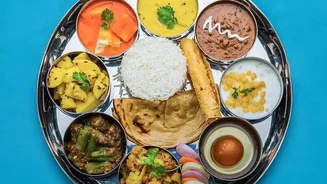
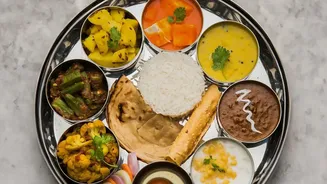
immense culinary diversity. Today, a significant shift is taking place. A growing number of restaurants are moving beyond these staples to showcase the extraordinary range of India's regional traditions, from the coastal flavours of Kerala to the rustic dishes of Bihar and the unique preparations of the North-East. This movement is about celebrating authenticity and introducing diners to a more complete and nuanced story of Indian food.
The Drivers of a Culinary Renaissance
Several factors are fueling this renewed interest in regional cuisines. Diners today are more adventurous and curious, eager for food that tells a story and offers a genuine connection to a place and its culture. Social media has also played a crucial role, giving lesser-known dishes from states like Gujarat and Jharkhand viral exposure and a place on metropolitan tables. Furthermore, there is a growing sense of pride in local heritage, with government initiatives promoting traditional ingredients and millets, which has revived interest in India's indigenous culinary traditions. This turn towards local food is also seen as a sustainable choice that aligns with seasonal produce and regional lifestyles.
Chefs as Cultural Ambassadors
At the heart of this transformation is a new generation of Indian chefs who are acting as researchers and storytellers. Chefs like Sombir Choudhary of Kalpaney in Bengaluru are reinterpreting nostalgic regional foods with refined techniques, while home chef Gitika Saikia in Mumbai has been instrumental in popularising Assamese tribal dishes. In Mumbai, restaurants like The Bombay Canteen, now led by Chef Hussain Shahzad, have championed indigenous ingredients by reimagining regional classics. These culinary leaders are not just cooking; they are preserving heritage, reviving forgotten recipes, and presenting them in contemporary ways that appeal to modern diners. By working directly with farmers and sourcing hyperlocal produce, they ensure that the ingredients' true character shines through.
A Spotlight on the States
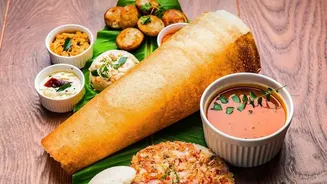
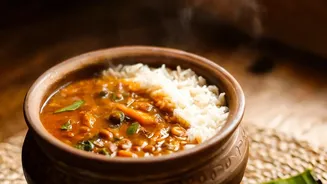
This trend has brought a thrilling variety of flavours to the forefront. Cuisines from India's North-Eastern states, once considered niche, are gaining remarkable traction in major cities. Dishes like Nagaland's smoked pork with bamboo shoot, Kerala's comforting avial, and Bengal's kosha mangsho are now being enjoyed across the country. Even within well-known cuisines, chefs are digging deeper. For instance, instead of generic South Indian food, restaurants are focusing on the specific traditions of Chettinad, Malabar, or the Saraswat Brahmins of Goa. This has introduced diners to an exciting array of dishes like Kalathappam from Kerala and the complex, slow-cooked Shab Deg from Kashmir.
A More Confident Indian Palate
The rise of regional food is not about rejecting global cuisines but about embracing India's own diversity with newfound confidence. For many diners, exploring these foods is a journey of discovery within their own country. Restaurants are finding that specialized regional menus are attracting a loyal customer base hungry for authenticity. This shift signifies a maturation of the Indian food scene, where the definition of 'good food' is expanding to include the flavours that have been passed down in home kitchens for generations. It reflects a desire for dishes that are not just tasty but also rooted, soulful, and tell a unique story.