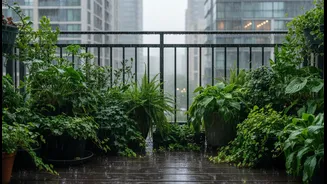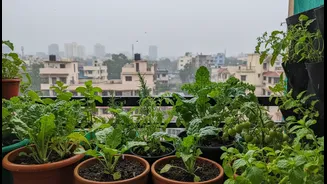




The Golden Rule: Master Your Drainage
The single biggest threat to potted plants during the monsoon is not too little water, but too much. When soil remains waterlogged for days, roots can't get oxygen, leading to root rot, fungal infections, and wilting plants even when the soil is wet.
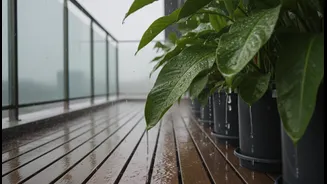
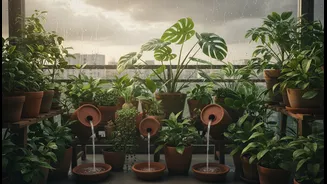
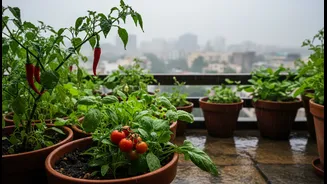
The first step is to ensure every pot has unobstructed drainage holes. Before planting, you can cover the hole with a piece of a broken terracotta pot or a small mesh to prevent soil from clogging it. During the monsoon, it’s crucial to elevate your pots. Placing them on bricks, small stands, or even bottle caps creates a small gap between the pot and the floor, allowing excess water to escape freely. If you use saucers or drip trays, empty them daily or remove them entirely for the season, as they can collect rainwater and keep the pot’s base submerged. Using a well-draining potting mix is also key. Avoid heavy garden soil that compacts and retains water. A lighter mix containing soil, compost, and materials like cocopeat or perlite will allow water to pass through more easily, keeping roots healthy.
Chasing the Sun: Managing Limited Light
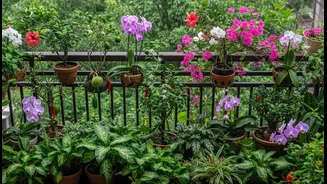
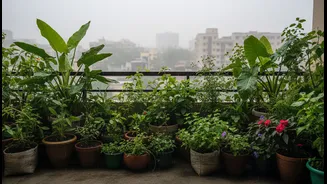
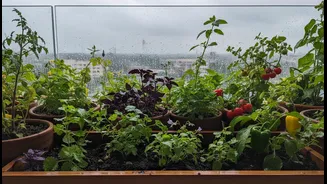
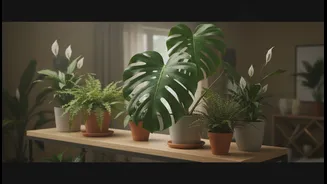
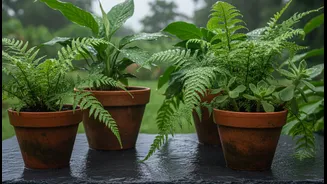
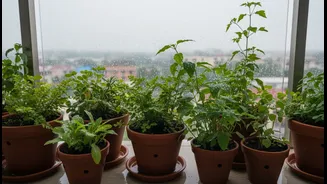
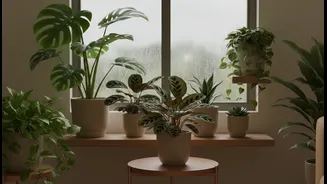
With a constant cloud cover, sunlight becomes a precious commodity. Most flowering and vegetable plants need at least four to six hours of sun to flourish, which can be a tall order during the monsoon. Start by observing your balcony to identify the brightest spots. The area near the railing or a west-facing corner might get more light than the space near the wall. Move your sun-loving plants, like hibiscus, bougainvillea, or chilli, to these prime locations. For shadier parts of the balcony, embrace plants that thrive in indirect light and high humidity. This is the perfect season for lush foliage plants like money plants (pothos), snake plants, monstera, peace lilies, and various ferns. These species often grow naturally in rainforest under-canopies and appreciate the monsoon conditions. You can also consider rotating your pots every few days to ensure all sides of the plant get some light, preventing them from leaning in one direction.
Pot Size: Why It Matters More in the Rain
Choosing the right pot size is a balancing act. A pot that is too small restricts root growth, but during the monsoon, a pot that is too large can be even more dangerous. An oversized pot contains a large volume of soil that the plant’s roots cannot yet fill. This excess soil holds onto moisture for longer, creating a perfect environment for root rot, especially with constant rain. A good rule of thumb is to choose a pot that is just one to two inches wider in diameter than the plant's current root ball. This provides enough room for growth without creating a soggy swamp. The material of the pot also plays a role. Porous containers like traditional terracotta (clay) pots allow moisture and air to pass through their walls, helping the soil to dry out faster. Glazed ceramic or plastic pots are non-porous and will retain moisture for much longer, requiring more careful water management. For balconies, lightweight plastic or fibreglass pots are often a practical choice due to weight restrictions.
Essential Monsoon Care and Pest Control
High humidity makes the perfect breeding ground for pests and fungal diseases. Common monsoon problems include mealybugs, aphids, powdery mildew, and leaf spot. Prevention is your best strategy. Ensure good air circulation by leaving a few inches of space between your pots. This simple step helps leaves dry faster and discourages fungal growth. Prune any yellowing or dead leaves promptly to prevent the spread of disease. A preventive spray of neem oil solution (a few drops mixed with water and a mild liquid soap) every 10-15 days can effectively repel pests and combat fungal issues. Also, hold back on fertilizing. Plants grow slower with less sunlight, and excess fertilizer can build up in the wet soil and burn the roots. A light top dressing of organic compost every few weeks is sufficient to provide nourishment during this period.