


Understanding the Movement
Cat-Cow, or Marjaryasana-Bitilasana, isn't one pose but a fluid movement between two. It’s a foundational warm-up in many yoga classes designed to gently awaken the spine, improve posture, and connect your breath to your body. The 'Cow' part (Bitilasana)
involves arching the back, while the 'Cat' part (Marjaryasana) involves rounding it. This dynamic flow helps to create space between the vertebrae and improve blood flow to the muscles supporting the spine. The goal is not to force an extreme shape, but to explore a gentle, controlled range of motion that feels good for your back.
Setting Up Your Foundation
To begin, come onto your hands and knees in a 'tabletop' position on a yoga mat or soft surface. Proper alignment is key to a safe practice. Place your hands directly under your shoulders and your knees directly under your hips. Your shins and knees should be about hip-width apart. Spread your fingers wide to distribute your weight evenly across your palms, which helps protect your wrists. Your spine should be in a neutral, long position, with your gaze directed toward the floor just ahead of your hands.
Flowing with Your Breath: Cow Pose
The breath is your guide in Cat-Cow. To move into Cow Pose, take a deep inhalation. As you breathe in, gently drop your belly toward the floor. Lift your chest and your tailbone toward the ceiling, creating a gentle arch in your back. Allow your gaze to lift forward or slightly upward without straining your neck. Imagine you are lengthening the front of your body and opening your chest. Avoid collapsing in the lower back; instead, focus on a gentle, supported curve. The movement should feel like it's originating from your tailbone and rippling up your spine.
Flowing with Your Breath: Cat Pose
To transition into Cat Pose, begin to exhale. As you breathe out, reverse the movement. Gently tuck your tailbone and start to round your spine toward the ceiling. Press firmly through your hands to create space between your shoulder blades. Allow your chin to drop naturally toward your chest, releasing any tension in the back of your neck. Your spine should now be in a gentle C-shape, like a stretching cat. This part of the flow provides a wonderful stretch for the entire back.
Finding a Comfortable Rhythm
The magic of Cat-Cow lies in linking these two poses into a continuous, flowing motion. Move slowly and mindfully, letting your breath dictate the pace. One full breath cycle is one round of Cat-Cow (inhale for Cow, exhale for Cat). There's no need to rush; moving slowly allows you to feel the stretch more deeply and build a stronger mind-body connection. The instruction to find a 'comfortable movement range' means listening to your body. Your arch and roundness might be smaller than someone else's, and that's perfectly fine. The idea is to find what feels restorative for you, not to push into pain.
Key Benefits for Your Body
Practicing Cat-Cow regularly offers a wealth of benefits. It improves spinal flexibility and posture by gently mobilizing the vertebrae. The movement helps relieve tension in the back, neck, and shoulders, making it especially beneficial for those who sit at a desk for long hours. It also stimulates and massages the abdominal organs, which can aid in digestion. On a more subtle level, the rhythmic nature of the pose, synchronised with deep breathing, has a calming effect on the nervous system, helping to reduce stress and anxiety.
Modifications for Every Body
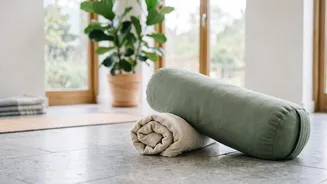
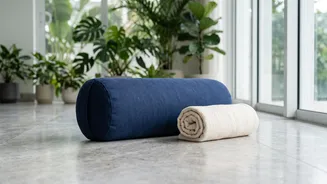
Yoga is about adapting the practice to fit your body, not the other way around. If you experience discomfort, modifications can make Cat-Cow accessible. For sensitive knees, place a folded blanket or towel underneath them for extra cushioning. If you have wrist pain, you can come down onto your forearms instead of your hands, or make fists and rest on your knuckles to keep the wrists straight. Cat-Cow can even be done while sitting in a chair by placing your hands on your knees and moving your spine through the same arching and rounding motions.