






A Boom of Historic Proportions
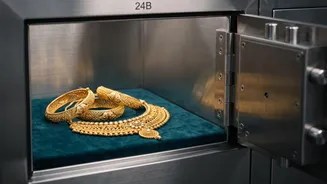
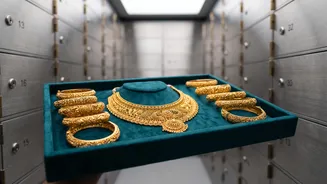
The numbers paint a startling picture. According to a recent report, India's organised gold loan market has expanded nearly four times in the last five years, reaching a staggering ₹18.6 lakh crore by March 2026. This has made gold loans the second-largest
category in retail lending, overtaking personal loans and sitting only behind home loans. Data from the Reserve Bank of India (RBI) confirms the explosive growth. Loans from Non-Banking Financial Companies (NBFCs) against gold jewellery surged by nearly 70% year-on-year as of May 2026. For banks, the growth has been even more dramatic, with some reports noting a growth rate of 88.1% in the year leading up to July 2026. This surge has made gold loans the fastest-growing asset class for many lenders.
The Twin Engines: High Prices and Easy Access
Two main factors are fuelling this trend. First, the significant rise in gold prices has been a game-changer. Higher gold prices mean that the same amount of jewellery can secure a larger loan, making it a more attractive option for borrowers needing substantial funds. Lenders, in turn, are more comfortable with the valuable collateral. The second factor is accessibility. Compared to personal loans, which rely heavily on credit scores and income proof, gold loans are processed much faster, often within hours. This speed is crucial for those facing emergencies like medical expenses or urgent business needs. Furthermore, the process has become increasingly convenient, with many lenders offering digital applications and even at-home gold valuation services.
A Sign of Distress or Sophistication?
The question on every analyst's mind is what this trend truly signifies. On one hand, it points to potential financial strain. With household debt climbing to 45.5% of GDP and a notable shift towards consumption-driven borrowing, the rise in gold loans can be seen as a symptom of pressure on household budgets. When formal credit is hard to come by, gold becomes the lender of last resort. However, the story is more nuanced. The customer base for gold loans is broadening beyond its traditional rural and emergency-cash profile to include more affluent urban borrowers. For them, a gold loan is not a sign of desperation but a convenient tool for liquidity, used to finance business growth, travel, or education without the hassle of selling other investments. This suggests a behavioural shift, where gold is increasingly viewed not just as a safety net, but as a flexible, liquid asset to be actively managed.
Why Lenders Are All In
Banks and NBFCs have aggressively expanded their gold loan portfolios for a simple reason: security. In a lending environment where unsecured loans are facing greater regulatory scrutiny, gold provides tangible collateral. If a borrower defaults, the lender can auction the gold to recover their dues, a much safer proposition than chasing an unsecured loan. This has attracted major financial groups to enter or scale up their presence in the gold loan market, intensifying competition. From the lenders' perspective, it’s a win-win: they meet strong borrower demand while managing their own risk with a physical asset whose value has been on a long-term upward trend.
The Bigger Economic Picture
The gold loan boom is a powerful indicator of the broader economy. It reflects the enormous, largely untapped wealth held by Indian households, with estimates suggesting only about 8% of the country's privately-held gold has been monetised through the organised market. This leaves vast room for future growth. The RBI is watching closely, implementing new regulations in April 2026 to ensure responsible lending, such as tiered Loan-to-Value (LTV) ratios. While the surge points to households leveraging assets more effectively, it also flashes a warning light. An over-reliance on debt for consumption, rather than for creating new assets, could pose risks to long-term financial stability if incomes stagnate or if gold prices see a sharp correction.