

A Fortress in a Cup
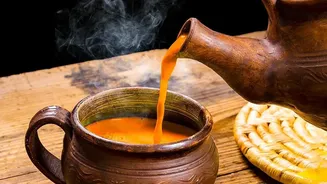
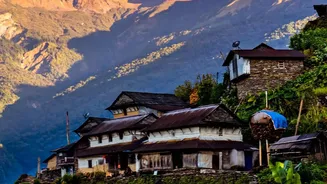
In the high-altitude desert of Ladakh, survival has always been an art form. Here, the celebrated local brew, 'Gur Gur Chai', is far more than a simple morning tea. It's a rich, savoury, and warming concoction that serves as a vital source of calories
and comfort. Traditionally made by churning tea leaves with salt and yak butter, this butter tea provides essential fats and warmth to counteract the harsh, bone-chilling climate. The name itself, 'Gur Gur', is said to mimic the sound of the tea being churned in a 'mdongmo', a traditional wooden vessel. For the nomadic communities and monks engaged in long meditation sessions, this fortifying brew is a cornerstone of daily life, offering sustenance when food is scarce and a ritual of hospitality that connects families and communities.
The Ancient Logic of Smoke
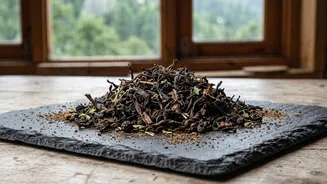
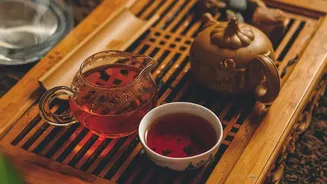
The signature smoky flavour of many Himalayan teas wasn't born from a desire for complex taste profiles but from sheer necessity. The tradition is deeply connected to the ancient Tea Horse Road, a treacherous network of paths connecting China's tea-growing regions with Tibet and beyond. Tea was compressed into dense bricks for easier transport over thousands of kilometres on yak or horseback. This long journey, often taking months, required the tea to be exceptionally durable. Smoking the leaves was a preservation method that protected them from moisture and spoilage. The smoke from campfires along the caravan routes would often infuse the tea, a process that evolved into a deliberate technique using pinewood to dry the leaves quickly and impart a distinctive character.
From Necessity to Nuance
What began as a practical solution has evolved into a celebrated art. The most famous smoked tea, Lapsang Souchong, originates from China's Wuyi Mountains and its history is rooted in a similar story of accidental discovery. Farmers, in a rush to dry leaves, used pine fires, creating a smoky flavour that surprisingly found a market. In the Eastern Himalayas, including regions like Arunachal Pradesh and parts of Sikkim, tribes like the Singpho have their own ancient smoked tea traditions. 'Phalap', as it's known, involves roasting fresh leaves and then stuffing them into bamboo tubes, which are then aged over kitchen hearths for months or even years. This process, similar to the ageing of Pu'erh tea, allows the tea to develop a complex, earthy, and mildly smoky flavour that improves over time.
The Modern Connoisseur's Pursuit
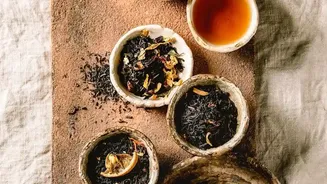
Today, tea connoisseurs and chefs are increasingly drawn to these ancient smoked brews for their unique and robust profiles. In a world dominated by mass-produced teas, these traditional varieties offer a story and a sense of place. The smoky notes, which can range from a gentle woodiness to a bold, campfire aroma, provide a complexity that is difficult to replicate. This taste is especially appealing to those who enjoy peated Scotch or dark-roasted coffee. Furthermore, these teas are being explored in modern culinary applications, used in everything from marinades for meats to flavouring soups and even desserts, adding a smoky dimension without a grill. For the discerning drinker, a cup of Himalayan smoked tea is an authentic experience—a direct link to a history of survival, trade, and cultural ingenuity.