






Why Shorter is Smarter This Monsoon
The single biggest enemy of your pantry during the monsoon is humidity. In many parts of India, indoor humidity can soar, creating the perfect breeding ground for mould, bacteria, and pests. This moisture in the air significantly shortens the shelf life
of everyday staples. Flour that lasts for months in summer can spoil in weeks, spices clump together, and snacks lose their crunch almost overnight. The traditional wisdom of stocking up for a month doesn't hold up. A shorter storage plan, focused on buying smaller quantities more frequently, is a more effective strategy to ensure freshness, minimise waste, and avoid the health risks associated with spoiled food.
The 'Buy Frequent, Stay Fresh' Rule for Produce
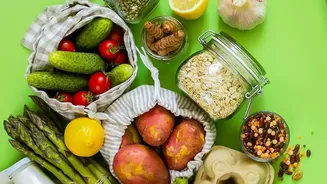
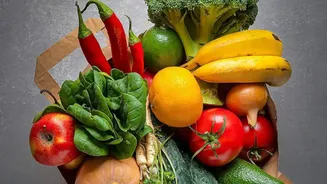
When it comes to fruits and vegetables, a 'buy it for the week' approach is a recipe for spoilage. Excess moisture makes leafy greens particularly vulnerable to rot and contamination. Instead, plan to buy fresh produce every two to three days. Opt for seasonal monsoon vegetables like bottle gourd, bitter gourd, and beetroot, which tend to hold up better. Before storing, ensure vegetables are wiped completely dry; never wash them until just before use, as lingering moisture accelerates decay. Storing them in breathable bags or wrapping them in paper towels inside the refrigerator can also help absorb excess moisture and extend their life.
Rethinking Your Dry Pantry Staples
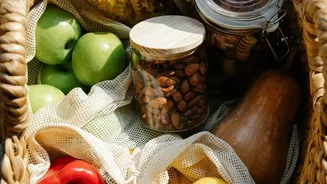
Your dry goods are not immune to the damp air. This is the season to favour smaller packets of atta, rice, and dals over large sacks. Once opened, transfer everything immediately into clean, dry, airtight containers. Glass or steel containers with tight-fitting lids are far superior to leaving items in their original plastic bags, which are easily penetrated by moisture and pests. For spices, small airtight jars are essential to prevent clumping and loss of aroma. Consider adding a few dried bay leaves or cloves to your grain containers; they act as natural pest repellents. For items like sugar and salt, a few grains of uncooked rice in the container can help absorb intrusive moisture.
Your Refrigerator: A Tool Against Spoilage
During the monsoon, your refrigerator becomes more than just a place for dairy and leftovers. It's a key tool in your short-term storage plan. Items that you might normally keep in the pantry, like bread and even dry fruits and nuts, are better off in the fridge to prevent mould and rancidity. Ensure the temperature is set correctly (at or below 4°C) to slow bacterial growth. Avoid overcrowding the fridge, as this restricts air circulation and creates warm spots. Use separate, covered containers for different food groups to prevent cross-contamination and odours. Lining vegetable drawers with paper towels can also work wonders by soaking up condensation.
Foods That Need Extra Vigilance
Some foods are especially susceptible to monsoon moisture. Opened packets of biscuits, chips, and other 'namkeen' can become limp and soggy within hours. The key is to transfer them to airtight jars immediately after opening. Dairy products like milk and paneer also spoil faster in the combined heat and humidity, so buying smaller quantities is crucial. Cooking oils can also be affected, potentially developing a bitter or musty smell if exposed to the humid air for too long. Keeping a close eye—and nose—on these items and storing them meticulously is your best defence against spoilage.