







The Roof and Terrace: Your First Defence
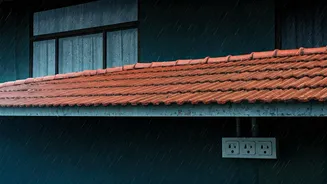
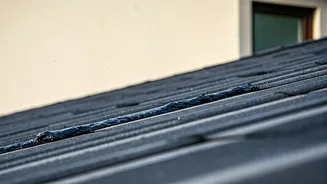
Your roof bears the full brunt of a downpour, making it the most critical area to inspect. Before the first heavy rain, get on your terrace and look for any visible cracks, gaps, or signs of wear and tear in the waterproofing layer. Pay close attention
to corners, joints, and areas around pipes or water tanks, as these are common failure points. Debris like dry leaves, branches, and dirt can accumulate and block the flow of water, causing it to pool and eventually seep through. A thorough cleaning can prevent this. If you notice significant cracking or peeling, it might be time to apply a fresh coat of waterproofing sealant. For major issues, especially on older buildings, consulting a professional for a structural check is a wise investment.
Walls and Windows: Seal Every Gap
Water has a knack for finding the tiniest entry points. Inspect your exterior walls for cracks, especially around window frames and door frames. A fresh coat of waterproof exterior paint can act as a protective shield. Inside, look for signs of dampness from previous years—blistering paint, discoloured patches, or a musty smell are all red flags. For windows, check the sealant (often a silicone bead) that runs along the frame and the glass. Over time, this can crack or peel away, creating a direct path for rainwater. Simply applying a new layer of silicone sealant is a quick and effective DIY fix that can save you from dealing with soaked curtains and damaged wooden frames.
Drains and Gutters: Clear the Path for Water
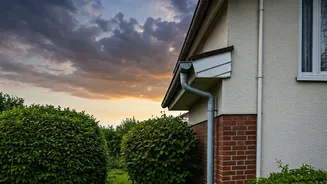
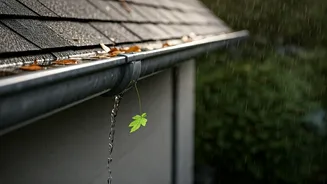
This is one of the most overlooked but crucial tasks. Clogged drains and gutters are the primary cause of waterlogging on terraces, in balconies, and around the foundation of your home. When water can't escape quickly, it will find another way to go—often sideways into your walls or downwards into your foundation. Before the monsoon, manually clear all drain openings of leaves, plastic, and other gunk. Use a stiff brush and water to flush out the pipes. For gutters along the roofline, ensure they are securely attached and sloped correctly towards the downspout. A simple mesh cover over drain openings can prevent them from clogging up again during the season.
Balconies and Outdoor Areas: Secure and Drain
Your balcony is an extension of your living space, but it can become a problem area during heavy rain. First, ensure its drainage holes are completely clear. Like the terrace drain, these can get clogged with dust and debris. Second, take stock of what you keep outside. Potted plants, outdoor furniture, and decorative items can be tossed about by strong monsoon winds, potentially breaking windows or causing injury. Move lighter items indoors or secure them firmly. If you have bamboo chicks or outdoor blinds, ensure they are tied down properly. Pruning any overgrown tree branches hanging over your balcony or roof is also a good idea to prevent damage from falling limbs.
Electrical Systems: The Hidden Danger
Water and electricity are a deadly combination. Dampness seeping into walls can reach electrical conduits and switchboards, creating a serious risk of short circuits and electrical shocks. Inspect all outdoor wiring, including connections for air conditioners, doorbells, and outdoor lights. Any exposed or frayed wires should be repaired immediately by a qualified electrician. Inside, check for any switches or sockets located on walls that show signs of dampness. It’s also a good idea to have an Earth Leakage Circuit Breaker (ELCB) or a Residual Current Circuit Breaker (RCCB) installed, which can automatically cut off the power supply if it detects a current leak, preventing accidents.
The Foundation and Basement: Check for Seepage
While you're checking the roof, don't forget to look down. The area around your home's foundation should be clear and sloped away from the building to ensure rainwater flows away rather than collecting at the base. Puddles near the foundation can lead to long-term structural damage and dampness seeping up into ground-floor walls. If you have a basement, inspect the walls and floor for any signs of water ingress or damp patches. Ensuring the sump pump, if you have one, is in good working order is essential. Even a small amount of preventative landscaping to guide water away from your home can make a huge difference in protecting its structural integrity through the wet months.