


A Taste of Home and Heritage
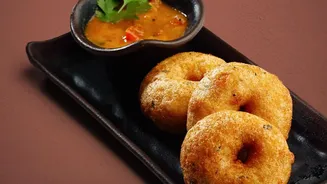
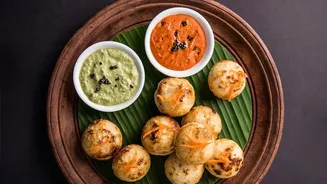
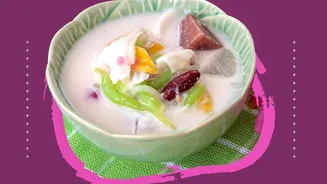
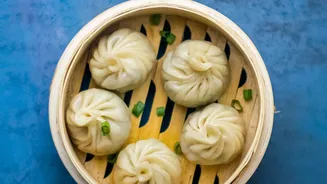
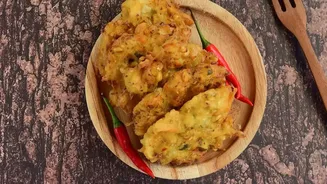
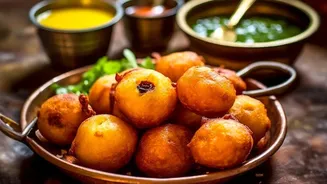
For many young Indians, especially those living in cities away from their families, the monsoon season can amplify feelings of homesickness. The act of recreating a cherished family recipe becomes a powerful antidote. Frying a batch of onion pakoras or steaming
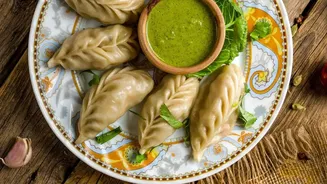
a delicate pitha is more than just cooking; it’s a sensory ritual that brings back warm memories of childhood. The aroma of spices and sizzling oil can instantly transport them back to their grandmother’s kitchen, where these snacks were made with love and served with a side of family stories. This connection to personal history and the comfort of familiar flavours provides a deep sense of belonging and continuity in a fast-paced, modern world. It’s a way of holding onto a piece of home, making even a small city apartment feel like a sanctuary during the rains.
The Social Media Cookbook
The revival of these traditional snacks has been significantly fueled by social media. Platforms like Instagram and YouTube have become virtual cookbooks, where food bloggers and home cooks share recipes and techniques. Short, visually appealing videos make complex or forgotten recipes seem accessible and exciting. A perfectly crispy pakora breaking open in slow-motion or a step-by-step guide to folding a perfect pitha can inspire thousands to try it themselves. This digital sharing has created a vibrant community around traditional Indian food, allowing regional specialties to find a national audience. It's no longer necessary to have a handwritten family recipe book; the knowledge is now crowd-sourced, celebrated, and constantly re-interpreted online.
A Modern Twist on Tradition
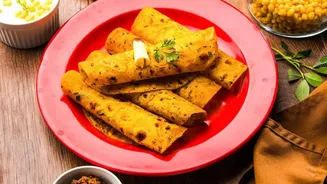
While authenticity is a major driver, young cooks aren't afraid to innovate. Many are reinterpreting classic fritter and pitha recipes to suit contemporary tastes and health-conscious lifestyles. This includes experimenting with new fillings, using multigrain flours, or swapping deep-frying for air-frying or baking to create guilt-free versions of their favourite indulgences. You might see traditional potato and onion pakoras alongside versions made with quinoa or paneer. This blend of old and new respects the original recipe while adapting it for the modern palate, ensuring that these culinary traditions continue to evolve and stay relevant. This innovative spirit is a key part of the appeal, making the process creative and personal.
The Quest for Authenticity
In an era dominated by processed foods and global fast-food chains, there is a growing counter-movement towards authentic, clean eating. For many young Indians, cooking traditional snacks from scratch is a way to take control of what they eat. It's a conscious choice to use fresh, local ingredients and avoid the preservatives and additives found in packaged alternatives. This desire for authenticity is also a form of cultural preservation. By learning to make dishes like bhapa pitha, a steamed rice cake from Eastern India, or regional pakora variations, young people are actively participating in and preserving their rich culinary heritage. It’s a delicious form of rebellion against homogenization, celebrating the unique and diverse flavours of India.