

The Perfect Moong Dal Base
Before we can innovate, we must perfect the foundation. A truly great Moong Dal Khichdi starts with the right ratio, typically one part rice to one part moong dal, though this can be adjusted for a more dal-heavy or rice-heavy consistency. Soaking the rice and
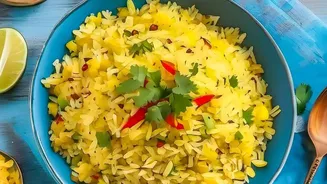
dal for at least 20-30 minutes is a non-negotiable step; it ensures they cook evenly and achieve that desirable soft, slightly mushy texture. The cooking process itself is straightforward, usually in a pressure cooker with water, salt, and a pinch of turmeric. The real magic, however, happens in the 'tadka' or tempering. A simple tempering of ghee, cumin seeds, and a pinch of asafoetida (hing) bloomed until fragrant is the classic finishing touch that elevates the dish from basic to beloved.
The Vegetable-Loaded Upgrade
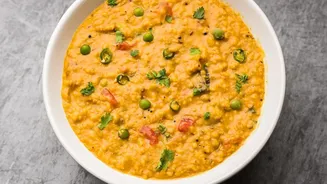
One of the easiest ways to add new dimensions of flavour, texture, and nutrition is by incorporating vegetables. This transforms khichdi from a simple gruel into a complete meal. Finely chopped onions, ginger, and garlic can be sautéed in ghee before adding the soaked rice and dal. From there, the options are endless. Hearty vegetables like carrots, potatoes, green beans, and peas are popular choices. They should be chopped into small, even-sized pieces to ensure they cook through at the same rate as the grains and lentils. Adding these vegetables not only boosts the fibre content but also adds a subtle sweetness and a satisfying bite, making the khichdi more robust and flavourful.
The Aromatic Masala Twist
For those who crave a bolder, spicier flavour profile, a Masala Khichdi is the answer. This version moves beyond the simple cumin tadka and embraces a fuller spectrum of Indian spices. The process often starts by blooming whole spices like cinnamon sticks, cloves, and bay leaves in hot ghee to infuse the base with a deep, aromatic warmth. After sautéing onions, ginger, and garlic, a blend of powdered spices is introduced. This typically includes red chilli powder, coriander powder, and cumin powder, which are lightly toasted to release their essential oils before the rice, dal, and water are added. A pinch of garam masala stirred in at the end lends a final layer of complex fragrance, creating a dish that is deeply satisfying and anything but bland.
The Vibrant Palak (Spinach) Infusion
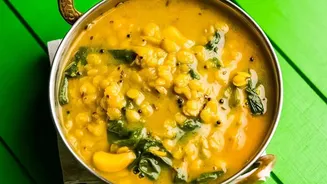
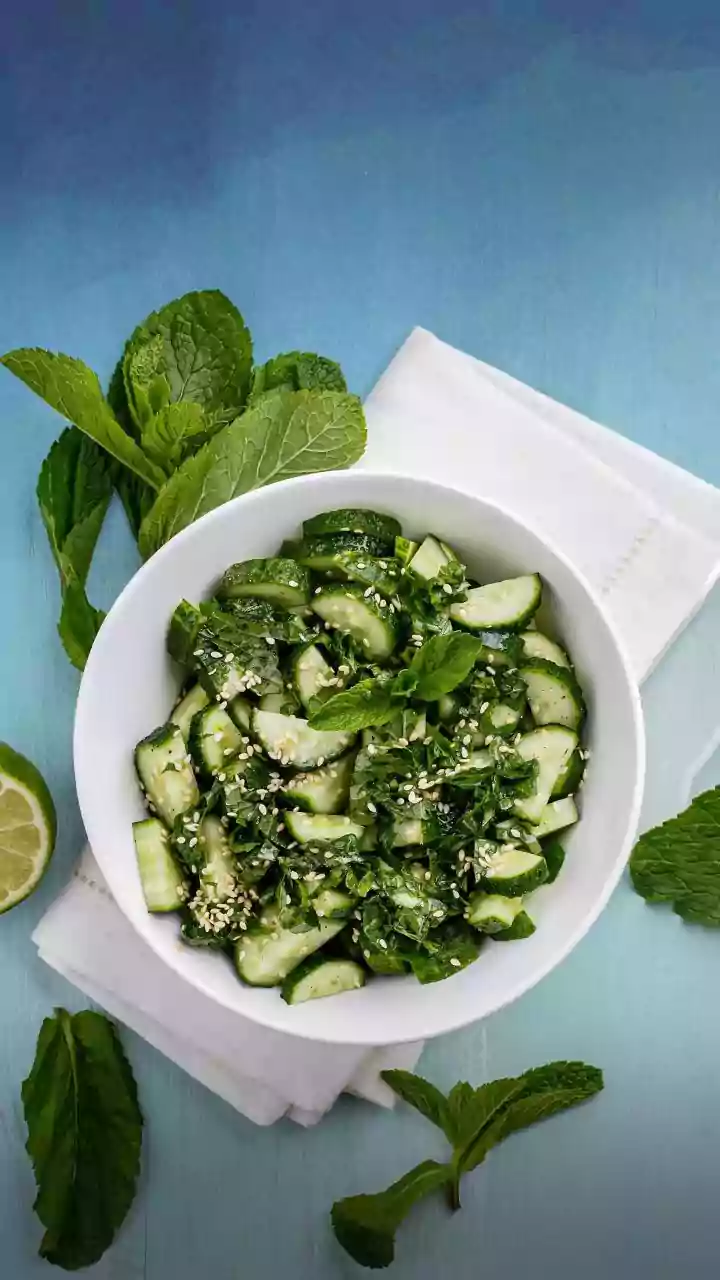
For a stunning visual and nutritional boost, look no further than Palak Khichdi. This variation involves blending fresh spinach leaves into a vibrant green puree, which is then cooked along with the rice and lentils. To retain the bright green colour, it's a good practice to quickly blanch the spinach in hot water before pureeing it. The spinach puree imparts a subtle, earthy flavour that pairs wonderfully with garlic. Many recipes for Palak Khichdi include a generous amount of chopped garlic in the tempering for this reason. The result is a creamy, colourful, and iron-rich meal that is as pleasing to the eye as it is to the palate.
The South Indian-Inspired Flavour
While khichdi is often associated with North and West Indian cuisine, its principles can be beautifully adapted with South Indian flavours. This variation swaps out the typical cumin and asafoetida tadka for one featuring mustard seeds, curry leaves, and dried red chillies. The inclusion of shallots instead of regular onions can add a sharper, sweeter note. For a tangy twist that is characteristic of many South Indian dishes, a small amount of tamarind extract or finely chopped tomatoes can be added during the cooking process. Some versions might even incorporate a little grated coconut for texture and richness. This reimagining introduces a completely different but equally comforting flavour profile to the familiar moong dal and rice base.