




A New Travel Mindset
India's domestic tourism sector is experiencing a remarkable transformation. After years of predictable itineraries, travellers are now actively seeking out unique, meaningful experiences far from the crowded tourist circuits. This change is driven by
a desire for authenticity, a need to disconnect from urban stress, and a newfound appreciation for the country's vast, untapped potential. Domestic tourism spending has consistently exceeded pre-pandemic levels, showing that Indians are exploring their own backyard more than ever. This isn't just about more travel; it's about better, more conscious travel. The focus has shifted from merely seeing places to truly experiencing them, leading to the rapid growth of niche sectors once considered secondary.
The Call of the Countryside
Rural tourism is no longer a rustic fantasy but a burgeoning reality. Travellers are flocking to farm stays, heritage homes, and community-run guesthouses to get a genuine taste of India's diverse local cultures. This form of travel allows urban dwellers to swap city noise for the tranquility of nature, participate in agricultural activities, and enjoy organic, farm-to-table meals. States like Uttar Pradesh are actively developing hundreds of villages as tourism hubs, providing financial backing to homestays and farm stays. This approach not only provides an alternative income source for rural communities, reducing their dependence on agriculture, but also helps revive traditional arts, crafts, and a sense of local pride.
Into the Wild, Responsibly
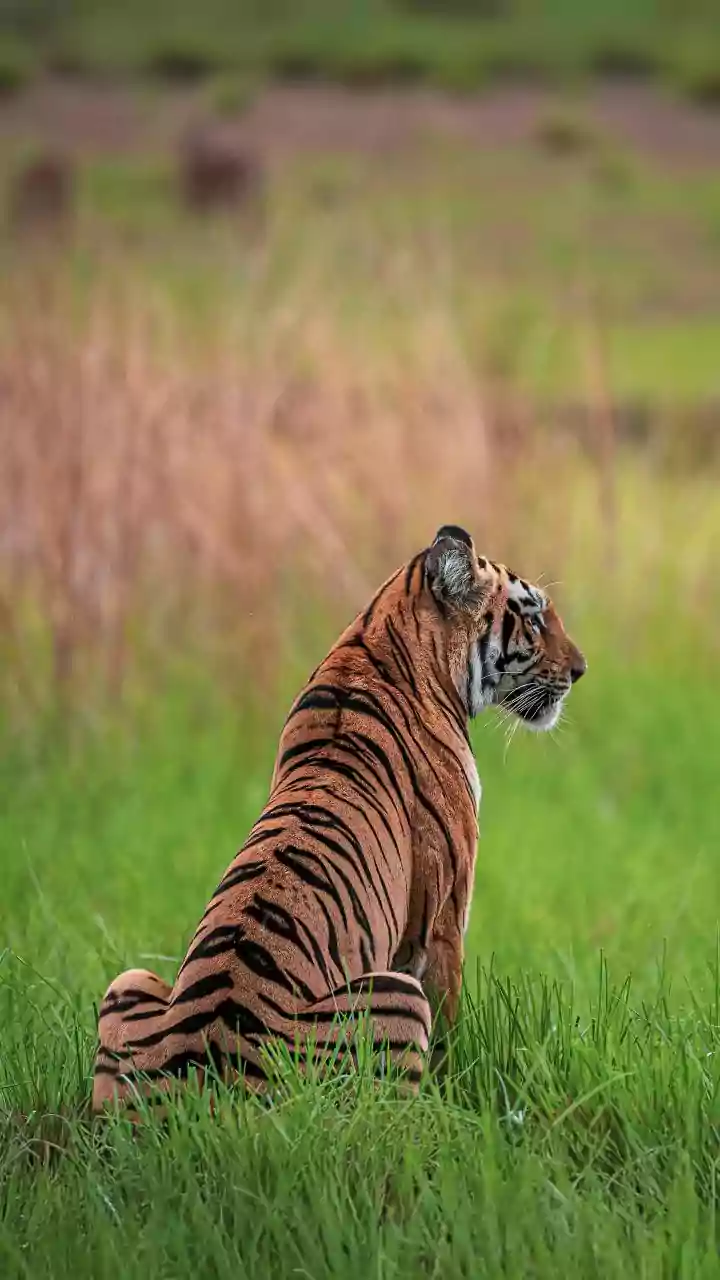
India's wildlife tourism is undergoing its own evolution. While the thrill of spotting a tiger remains a powerful draw, there's a growing movement towards more sustainable and conservation-focused wildlife experiences. The market for wildlife tourism is projected to grow significantly, with an increasing number of travellers interested in naturalist-led tours, birding expeditions, and stays at eco-lodges that actively contribute to conservation. This shift is supported by a deeper environmental consciousness among travellers, who understand that their tourism choices can either support or harm fragile ecosystems. The new model of wildlife tourism aims to create a win-win, where tourist revenue directly supports conservation efforts and empowers local communities to become guardians of their natural heritage.
The Pursuit of Total Wellbeing
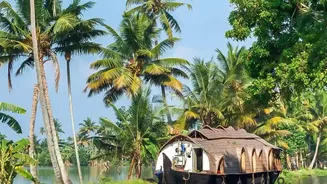
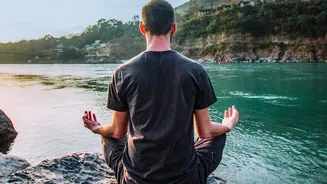
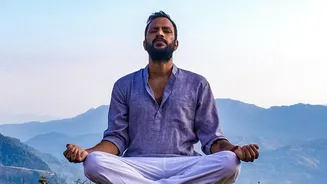
Wellness tourism in India is expanding far beyond the traditional spa vacation. The market is projected to see strong growth, with some estimates suggesting a compound annual growth rate of over 7%. While established hubs like Kerala (Ayurveda) and Rishikesh (yoga) continue to thrive, the concept of wellness is becoming more holistic. Travellers are now seeking digital-detox retreats to escape device addiction, meditation centres for mental peace, and naturopathy clinics for holistic healing. This trend reflects a broader societal shift towards prioritizing mental and physical health. Wellness is no longer an add-on but the primary purpose of travel for a growing number of people looking to reset, rejuvenate, and find balance in their lives.
The Government and Digital Push
This diversification of tourism is not happening in a vacuum. Government initiatives like 'Dekho Apna Desh' and 'Swadesh Darshan 2.0' are actively encouraging Indians to explore their country and are providing funds to develop infrastructure at new destinations. A new 'National Mission for Alternative Destinations' has been launched specifically to ease pressure on popular spots by promoting lesser-known locations. Simultaneously, the digital revolution has played a huge role. Online travel platforms and social media make it easier than ever for travellers to discover and book stays in remote villages, eco-lodges, and wellness retreats, turning once-hidden gems into accessible destinations.