







Why Your Skin Changes With the Weather
Understanding why your skin reacts to seasonal shifts is the first step to managing it. When temperatures drop, the humidity in the air decreases. This drier air, combined with indoor heating, can pull moisture directly from your skin's surface. This process
weakens your skin's natural protective barrier, which is responsible for locking in moisture and keeping irritants out. A compromised barrier leads to common cold-weather complaints like tightness, flakiness, increased sensitivity, and a dull appearance. Your skin essentially loses water faster than it can replenish it, which is why a routine that worked perfectly in the humid summer months may suddenly feel inadequate.
Switch to a Gentler Cleanser
The foaming or gel cleanser that felt refreshing during hot, humid months might be too stripping for cooler, drier air. These formulas are often designed to control excess oil, but as your skin's oil production naturally decreases with the weather, continuing to use them can strip away the essential lipids that keep your barrier strong. Consider swapping to a more hydrating, gentle option like a cream, milk, or oil-based cleanser. Look for formulas described as 'hydrating' or 'nourishing' that cleanse the skin without leaving it feeling tight or dry. This simple change helps your skin retain its natural moisture from the very first step of your routine.
Double Down on Hydration
Now is the time to focus on replenishing lost water content. Introduce products with humectants, which are ingredients that draw moisture into the skin. Hyaluronic acid is a superstar in this category, known for its ability to hold many times its weight in water, leaving skin looking plump and supple. Glycerin is another effective and common humectant found in many hydrating products. A great way to boost hydration is by layering a hydrating serum containing these ingredients onto damp skin after cleansing and before applying your moisturiser. This technique helps lock in an extra layer of moisture to combat the drying effects of the environment.
Upgrade to a Richer Moisturiser
That lightweight lotion you loved in summer may not be enough to protect your skin barrier in autumn and winter. As the air gets drier, it is crucial to switch to a thicker, cream-based moisturiser. Look for products containing ceramides, which are lipids that naturally occur in your skin and act like the 'mortar' between your skin cells, reinforcing the barrier and preventing water loss. Other beneficial ingredients to look for are squalane, a lightweight but nourishing oil that mimics the skin's natural sebum, and shea butter. A good moisturiser will not only hydrate but also create a protective shield against the cold, dry air.
Exfoliate Mindfully, Not Aggressively
While exfoliation is still important for removing dead skin cells and maintaining a bright complexion, it's wise to be more cautious during colder months. When your skin barrier is already vulnerable, overexfoliating with harsh physical scrubs or highstrength chemical exfoliants can lead to increased irritation, redness, and dryness. Instead of your usual routine, consider reducing the frequency of exfoliation to once or twice a week. You might also switch to a gentler chemical exfoliant, such as lactic acid or polyhydroxy acids (PHAs), which exfoliate while also providing hydration. The goal is to gently buff away dullness without compromising your skin's health.
Never Skip Sunscreen, Even on Cloudy Days
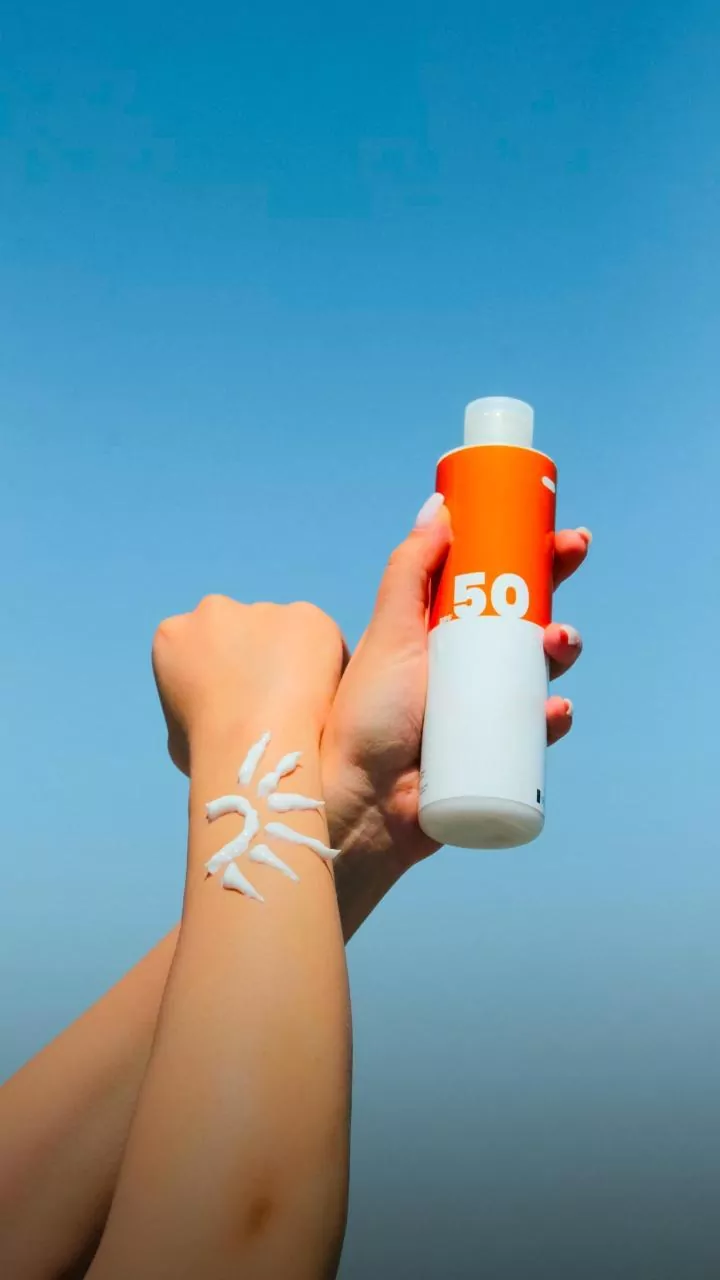
This is a nonnegotiable rule for every season. While UVB rays, which cause sunburn, are less intense in winter, UVA rays remain a threat yearround. UVA rays penetrate deep into the skin, contributing to premature ageing, wrinkles, and an increased risk of skin cancer. Up to 80% of the sun's UV rays can pass through clouds, so you are still exposed even on grey, overcast days. Furthermore, snow and ice can reflect up to 80% of UV rays, effectively doubling your exposure during winter activities. Continue to use a broadspectrum sunscreen with an SPF of 30 or higher every single morning as the final step in your routine.